Masaka City, Uganda — The Masaka City Chief Magistrates Court has intensified judicial scrutiny of the Kalungu East parliamentary election following grave allegations of vote manipulation and misuse of Declaration of Results (DR) forms arising from the 15 January 2026 polls.
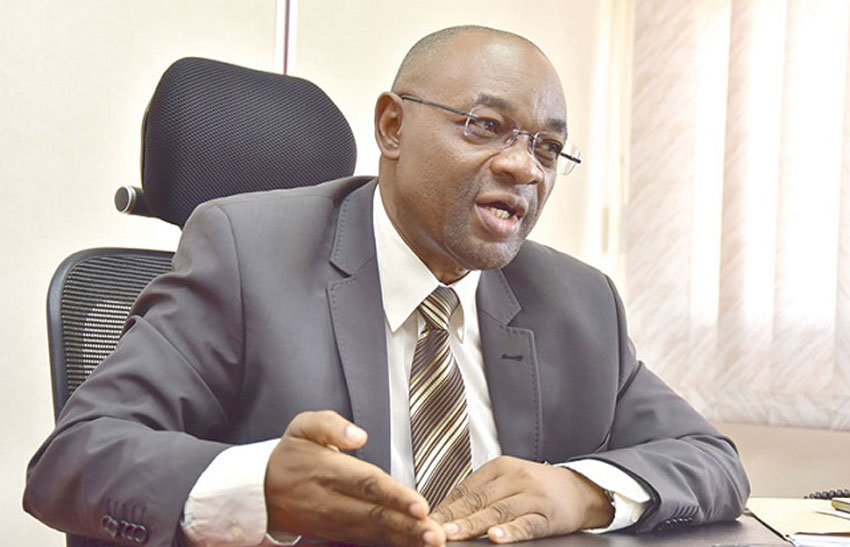
Presiding Chief Magistrate Albert Asiimwe ruled that an application filed by former legislator and cabinet minister Vincent Bamulangaki Ssempijja raises substantial questions of law and fact warranting a full hearing. The applicant is seeking a court-ordered recount, arguing that the officially declared results do not reflect the will of the electorate.
Nature of the Dispute
At the centre of the case are allegations that several DR forms were unlawfully altered after polling. The applicant contends that entries on multiple forms were changed without the mandatory counter-signatures of tally clerks, contrary to electoral law. He further alleges that in some polling stations, votes recorded exceeded the number of registered voters, while in others multiple DR forms existed for the same polling station.
According to the application, these anomalies point to vote inflation and double counting, which allegedly disproportionately favoured the declared winner and materially affected the final outcome.
Court’s Preliminary Assessment
While stressing that no final determination has been made, Chief Magistrate Asiimwe stated that a prima facie review of the evidence discloses credible concerns deserving judicial inquiry. The court identified twelve specific DR forms that have been impugned and will be examined to determine whether they were altered in breach of electoral procedures.
The magistrate observed that, if established, failures in the handling, custody, and transmission of DR forms could implicate not only individual polling officials but also institutional accountability within the Electoral Commission.
Addressing the public gallery, the court urged calm, emphasizing that electoral disputes must be resolved through lawful judicial processes, not public agitation.
Applicant’s Case
The applicant is represented by Counsel Simon Kasangaki, who submitted that the irregularities were systematic rather than clerical. Counsel argued that the pattern of alterations, missing counter-signatures, and conflicting DR forms demonstrates deliberate manipulation and vote inflation in favour of the respondent.
Specific polling areas cited include Bukulula Polling Station, Agip Cell A, and Kirinya Cell in Kaliiro Ward. Counsel submitted that in these locations, the declared results were inconsistent with original polling station records. He further told court that the applicant was denied tally sheets and transmission forms after declining to sign documents he disputed due to the alleged anomalies.
Mr Kasangaki argued that the applicant has satisfied the legal threshold for a recount and squarely meets the principles guiding the court’s discretion:
Jurisdiction and timeliness: The application was lodged timeously under the Parliamentary Elections Act, and the court is properly seized of jurisdiction.
Prima facie case: The evidence is documentary, direct, and grounded in official electoral records, not speculative. It shows apparent alterations, discrepancies in vote totals, and irreconcilable inconsistencies.
Precision of pleadings: The challenge is focused, identifying specific polling stations and DR forms, not a generalized attack on the electoral process.
Materiality: The discrepancies are of such magnitude—votes exceeding registered voters, multiple DR forms for a single station, and alterations without counter-signature—that they undermine the reliability of the declared outcome.
Practical utility of a recount: The impugned DR forms are available, identifiable, and traceable, making a recount meaningful rather than speculative.
Conduct of electoral officials: The disclosed conduct raises serious concerns about compliance with mandatory safeguards, warranting judicial intervention to restore transparency and accountability.
The matter is scheduled for further hearing, where the court will consider the impugned materials and submissions before determining the appropriate relief.
Do you have a story in your community or an opinion to share with us: Email us at Submit an Article