
When President Yoweri Museveni took over the chairmanship of the East African Community (EAC) in Arusha, his words carried both history and urgency. In his inaugural speech, he reminded the region that Africa’s fragmentation was a colonial misstep, warning against “Okukonesa”—the mis‑cooking of the African revolution. He argued that unity is not optional but imperative, a correction of history that must now be fast‑tracked if East Africa is to secure sovereignty and prosperity. Quoting scripture, he declared, “What God has put together, let no man put asunder,” framing integration as both a political and moral mission.
Outgoing chair William Ruto praised the progress achieved during his tenure—trade facilitation, infrastructure, digital integration, and peace efforts—and expressed confidence that Museveni’s leadership would build on these gains. Other heads of state echoed this optimism, pointing to Museveni’s consistency in championing regionalism, his role in welcoming the Democratic Republic of Congo into the bloc, and his advocacy for Somalia’s accession. Their endorsements underscored a collective expectation that his tenure will enlarge the community’s membership, expand its economic footprint, and strengthen its strategic leverage.
The stakes are high. The EAC’s combined GDP already exceeds $300 billion, but fragmentation continues to hinder efficiency. Museveni’s emphasis on infrastructure—railways, energy interconnections, and digital systems—aligns with the bloc’s economic expansion goals. Enlarging membership to include Somalia would secure vital maritime trade routes, while consolidating Congo’s integration would unlock resource‑rich markets. At the same time, Museveni acknowledged the crises in eastern Congo, South Sudan, and Somalia, calling for collective security mechanisms to stabilize the region. Uganda’s history of peacekeeping in Somalia and South Sudan suggests that his chairmanship could strengthen the EAC’s capacity to act decisively in conflict resolution.
Museveni’s leadership is also deeply rooted in Pan‑Africanism. By fast‑tracking East African unity, he situates the bloc as a building block for the African Continental Free Trade Area, aligning regional integration with continental aspirations. In a geopolitical context where global powers compete for influence in East Africa, a more integrated EAC under his stewardship would negotiate from a position of strength, ensuring that partnerships serve regional interests.
The ceremony in Arusha was more than a handover; it was a moment of collective affirmation. Museveni’s speech and the endorsements from fellow leaders set a hopeful tone, signaling that East Africans can look forward to a chairmanship that emphasizes enlargement, economic expansion, and collective security. If his tenure delivers on these promises, it could mark a decisive step toward realizing the long‑deferred dream of an East African federation—an economically vibrant, politically stable, and globally influential community.
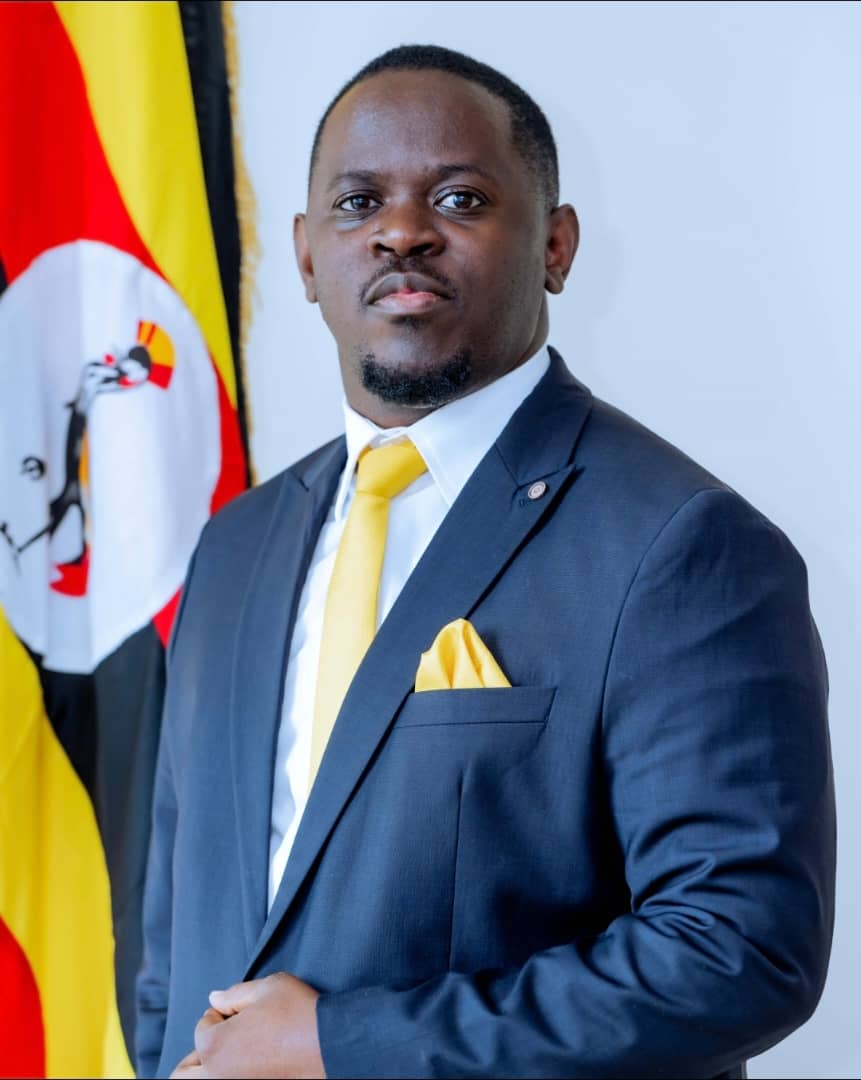
The author is the Deputy RCC for Nakawa Division.
Do you have a story in your community or an opinion to share with us: Email us at Submit an Article