Uganda on Tuesday marked the 8th United Nations World Wildlife Day at the Entebbe Botanical Gardens, with ministers warning that key medicinal plant species face extinction from unregulated harvesting even as the tourism sector posted its strongest recovery since the Covid-19 pandemic.
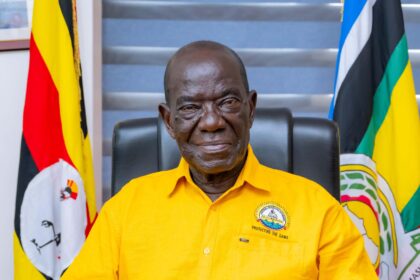
Prime Minister Robinah Nabbanja represented President Yoweri Museveni at the ceremony held under the theme “Medicinal and Aromatic Plants: Conserving Health, Heritage and Livelihoods” in Entebbe Municipality.
Delivering the President’s message, Ms Nabbanja said government is in the final stages of implementing several flagship tourism projects aligned with Vision 2040. “The government is prioritising strategic investments that will enhance tourism infrastructure, improve visitor experience, and unlock the sector’s full potential as a major contributor to national development,” she said.
She also warned of mounting environmental pressures. “Uganda is facing unprecedented challenges from climate change, deforestation, habitat loss and pollution, which require immediate attention,” Ms Nabbanja said, adding that government is upgrading wildlife reserves into national parks and tightening anti-poaching laws.
Minister of Tourism, Wildlife and Antiquities Tom Butime told the gathering that Uganda received more than 1.5 million visitors in 2025, generating over 1.5 billion US dollars in revenue, a recovery from the Covid-19 slump that had cut arrivals from 1.4 million in 2019 to fewer than 500,000 by 2021.
“Uganda is among the top 10 most biodiversity-rich countries in the world. This biodiversity remains a strong bedrock upon which the country’s tourism is based,” Mr Butime said.
He warned, however, that the plant resources underpinning that recovery are under serious threat. “Many communities depend on plants for food and medicinal plants for survival. Some plant species are increasingly being depleted as a result of unregulated harvesting, local use, and international trade,” Mr Butime said.
He called for tighter controls and on-farm cultivation. “There is a need to develop and enforce mechanisms for regulating access and harvesting of important plant species. To mitigate potential depletion and extinction, we must promote on-farm propagation on community land,” he said.
Mr Butime pointed to Covidex, the herbal remedy by Gena Herbals that gained widespread use during the pandemic, as evidence of the economic value in Uganda’s plant resources. “Many herbal plants continue to be used by Ugandans to treat various ailments,” he said, adding that more than two-thirds of Ugandans rely on traditional medicine while over 20 per cent of medicinal plant species globally are threatened with extinction.
Uganda Wildlife Authority Executive Director Dr James Musinguzi said the loss of wild plants would cost Uganda far more than biodiversity.
“Wild plants are a natural pharmacy. If we fail to conserve them, we risk losing invaluable health solutions, scientific discoveries, and economic opportunities for our communities,” he said.
Dr Musinguzi reported positive wildlife trends, saying buffalo numbers grew by 9,300 between 2022 and 2025. He confirmed rhinos have been reintroduced to Ajai Wildlife Reserve and that plans are underway to return them to Kidepo Valley National Park. UWA is also developing botanical trails as part of an effort to diversify tourism products.
State Minister for Tourism Martin Mugarra said Uganda’s wildlife laws already define wildlife to include plants. “By conserving these resources, we are protecting biodiversity, strengthening healthcare systems, preserving cultural heritage and opening new pathways for economic growth,” Mr Mugarura said.
Uganda’s forest cover has dropped from 24 per cent in 1990 to 13 per cent in 2025, while wetland coverage has fallen from 15.5 per cent in 1994 to 8.9 per cent by 2020.
UWA granted free public access to the Uganda Wildlife Education Centre and the Entebbe Botanical Gardens on Tuesday. National wildlife conservation awards were also presented at the ceremony.
Tuesday’s celebrations capped a series of activities that included the Uganda Wildlife Half Marathon on March 1 in Kampala, school conservation competitions, the National Crane Festival and a conservation conference.
World Wildlife Day is marked every March 3, the date on which CITES the Convention on International Trade in Endangered Species was signed in 1973. The United Nations proclaimed the day in December 2013.
Do you have a story in your community or an opinion to share with us: Email us at Submit an Article