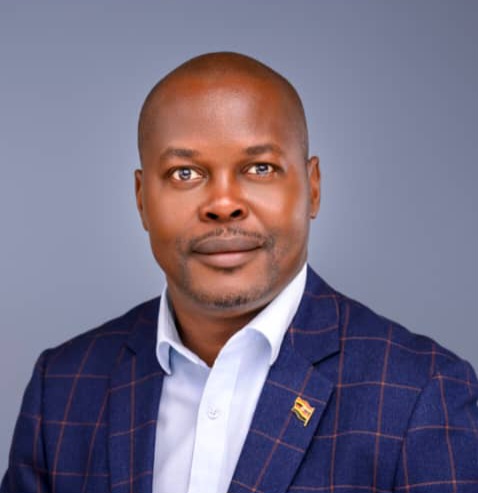

By Moses Kayz Osiya
The recent arrest of two young women in Uganda, Wendy Faith a 22-year old musician and Alesi Diana Denise 21-year old taken into custody after Police raided their rented room in Arua City first week of February 2026, allegedly for kissing in public has reignited debate about the country’s Anti-Homosexuality Act of 2023. Beyond the immediate controversy surrounding the incident, the case raises deeper questions about justice, constitutional rights, and the meaning of human dignity in Ugandan society.
Uganda’s Anti-Homosexuality Act prescribes extremely harsh penalties for same-sex relations, including life imprisonment and, in certain circumstances defined as “aggravated homosexuality,” even the death penalty. Yet these provisions appear to stand in tension with the very principles embedded in Uganda’s own Constitution.
Article 21 of the Constitution affirms that all persons are equal before and under the law and are entitled to equal protection without discrimination. It further recognizes the inherent dignity of every human being. These guarantees are not limited by religion, culture, or personal identity, they apply to every Ugandan simply by virtue of being human.
When the state punishes individuals solely for their sexual orientation or consensual relationships, it risks undermining the constitutional promise of equality. Laws that single out a specific group for criminal penalties inevitably create a hierarchy of citizenship where some people enjoy full protection under the law while others live under fear of arrest, harassment, or violence.
The impact of such laws is not theoretical. It is deeply human.
In a previous reflection on the debate surrounding sexuality, religion, and culture in Uganda, published on Watchdog Uganda, I discussed the tragic experience of Rugero Daniel, a university student who faced intense bullying and discrimination because of his sexual orientation. The pressure and stigma he endured drove him to attempt suicide by jumping from the fourth floor of Elites hostel building. Despite efforts by fellow students and members of the community to help him receive medical treatment, the trauma he experienced remained profound.
Rugero’s story illustrates the dangerous consequences of stigma and exclusion. When society labels certain individuals as immoral or criminal simply because of who they are, it creates an environment where harassment and discrimination flourish. In such an atmosphere, vulnerable people may be pushed to despair, isolation, or even death.
Speaking openly about these issues in Uganda is not without risk, those who challenge entrenched cultural or social norms can face hostility, intimidation, or even threats to their safety.
Such hostility is sometimes reinforced by rhetoric from influential public figures. For example, following the incident, senior military commander Muhoozi Kainerugaba on social media twitter currently known as X tweeted in early February 2026 on his account @mkainerugaba that homosexuals should be “shot on the spot” within the military. Whether expressed as personal opinion or political rhetoric, statements of this nature contribute to a climate in which intolerance can easily escalate into fear and violence.
The debate around homosexuality in Uganda is often framed in terms of culture, religion, and morality. For many Ugandans, these traditions hold deep meaning and cannot be dismissed lightly. Cultural expectations around family, marriage, and reproduction remain central to social life.
However, constitutional governance requires that the law serve a broader purpose than enforcing moral beliefs. The primary role of the law is to protect citizens from harm, guarantee equal protection, and uphold fundamental freedoms.
Consensual relationships between adults do not threaten public safety. By contrast, laws criminalizing such relationships may encourage abuse of power, false accusations, blackmail, and mob violence. They may also discourage people from seeking healthcare, reporting crimes, or participating openly in society.
Uganda has long prided itself on being a nation governed by law and constitutional order. The true strength of any constitutional democracy is measured not by how it treats the majority, but by how it protects minorities and vulnerable groups.
Reconsidering laws that criminalize homosexuality does not mean abandoning cultural or religious values. Rather, it means reaffirming the constitutional principles of dignity, equality, and justice for all citizens.
As someone who has previously written about the difficult intersection between sexuality, religion, and culture in Ugandan society, I am aware that raising these questions is not always easy. Public debate on these issues often attracts hostility, misunderstanding, and sometimes even threats. Yet the strength of a democratic society lies in its ability to allow citizens to speak openly about difficult topics without fear of persecution.
When writers, students, or activists raise concerns about human dignity and constitutional rights, their voices should be met with dialogue rather than punishment. Silence, after all, has never solved injustice, it only allows it to grow unseen.
Uganda’s Constitution was written to protect every citizen. Its promise of equality before the law cannot be meaningful if it excludes some people from protection. A nation that respects its constitution must defend the dignity of all its citizens, even when doing so requires difficult conversations about culture, law, and human rights.
Justice should never depend on whom someone loves. A society that truly respects its constitution must ensure that the law protects every citizen equally.
In the end, the promise of constitutional democracy is simple, every human being, regardless of identity, deserves dignity, protection, and the right to live without fear.
Author Bio
Moses Kayz Osiya is a Ugandan lawyer, writer and social commentator whose work examines the intersection of law, culture, governance, and human rights in contemporary African societies. His commentary has appeared on Watchdog Uganda, where he has written on social justice, public debate, and constitutional governance in Uganda. His recent article on political accountability and public debates in democratic societies can be read here:
https://www.watchdoguganda.com/op-ed/20250321/179235/moses-kayz-osiya-conduct-debates-for-all-candidates-seeking-political-offices.html
Battling the ‘homosexuality agenda at University,’ the hard line between religion, Culture, and morality – Watchdog Uganda
Through his writing, he encourages open dialogue, respect for constitutional principles, and the protection of human dignity in democratic societies.
Do you have a story in your community or an opinion to share with us: Email us at Submit an Article