In public service, the greatest threat is not lack of funding. It is lack of capacity. A leader with a stamp but no skill is like a soldier with a gun but no training – dangerous to himself and to those he serves.
From 9th to 12th June 2026, the Office of the President convened Resident District Commissioners, Resident City Commissioners, their deputies, Assistant RCCs, Regional Internal Security Officers and District Internal Security Officers for a three-day intensive capacity building workshop at Colline Hotel, Mukono. This was the Buganda Region session, excluding Greater Masaka. The message was clear: when you invest in the mind of a public officer, you multiply the impact of every shilling in the budget.
Capacity building is not “sitting in a hotel”. It is sharpening the tool that delivers services. And motivated, skilled officers deliver better performance. This article reflects on how training motivates, and what the Mukono workshop delivered for Kawempe and the rest of Buganda.
Psychologists agree: motivation is the engine, capacity is the fuel. You can demand “work harder”, but if an officer does not know how to resolve a land dispute, manage team conflict, or track service delivery, he will burn out or cut corners.
Training motivates in three ways. First, competence creates confidence. Albert Bandura calls it “self-efficacy” – the belief “I can do this”. Before Mukono, many Deputy RCCs struggled with performance appraisal forms, or with mediating between LC1s and angry residents. After hands-on sessions, the shift was visible: officers asked tougher questions, volunteered for role-plays, and drafted action plans. Confidence replaced fear.
Second, recognition creates ownership. When the Office of the President pulls RCCs and RDCs out of their offices for three days, it sends a message: “You matter. Your role matters.” That recognition is more powerful than an allowance. Officers return not just with notes, but with pride. A motivated officer does not just clock in. He clocks in early.
Third, clarity creates direction. Frustration kills performance. Many officers are blamed for “poor service delivery” yet are never taught the standards. Mukono gave clear frameworks: what performance management means for an RCC, what Key Performance Indicators matter, how to use alternative dispute resolution before a matter reaches court. Clarity removes excuses. Public Service Commission studies show districts whose leaders attend structured capacity building score markedly higher on service delivery surveys. Training does not just fill notebooks. It fills gaps.
The Office of the President, through the RDCs Secretatariat, designed this as a regional arrangement so content would fit Buganda’s context: high urbanization, land conflicts, HIV prevalence above national average, and dense population pressure. Facilitators addressed these directly.
Performance Management – From Activity to Impact. The core message: government does not pay us for being busy. It pays us for results. Facilitators broke down the Performance Appraisal System. Officers learned to set SMART targets, link them to NDPIII and PDM indicators, and use evidence, not emotions, in appraisals. The takeaway for Kawempe is simple: move from “I held a baraza” to “The baraza reduced land case backlog by 30% in 60 days”. Measurement motivates because progress becomes visible.
Team Building – One Office, One Mission. A divided office cannot unite a community. Using case studies from Masaka facilitators taught conflict resolution within offices. Friction between deputies, assistants, and support staff kills morale. The session introduced personality profiling so officers understand why one staff member needs data while another needs encouragement. Each region should draft a Team Charter spelling out shared values, communication rules, and how to handle disagreement. For Kawempe, this means less or no internal fighting and more focus on Service delivery
Service Delivery and Alternative Dispute Resolution – The Last Mile . Residents do not care about your title. They care about their problem being solved. The service delivery session used a “mystery client” approach: how does Kawempe Division look from a boda rider’s eyes? We mapped where complaints die – at the desk, in the file, or at the attitude.
The ADR session was eye-opening. Uganda’s courts are clogged, yet most land and family disputes can be settled at RCC/RDC level through mediation, not threats. Facilitators role-played a real Kawempe land case. Officers learned to listen first, separate people from the problem, and find interests instead of positions. This saves residents money, saves time, and restores harmony. That is performance you can feel.
The final theme was *Hiv Prevalent rate and how it can stopped by 2030, led by Uganda AIDS Commission*. For two hours, UAC took us through data and soft skills. Uganda’s HIV prevalence is now 4.9% nationally, down from 18% in the 1980s. About 1.5 million Ugandans are living with HIV, with 1.3 million on ARVs. New infections have dropped from 94,000 in 2010 to 37,000 in 2024. But Kampala slums, including parts of Kawempe, still register 8 to 11% prevalence, nearly double the national rate. Young women aged 15 to 24 carry the heaviest burden of new infections in their age group.
The leadership lesson was sharp: HIV is not just a health issue. It is a security, productivity, and development issue. An RCC who ignores HIV in his division ignores manpower, orphans, and future voters. UAC equipped us to speak without stigma, to say “Know your status” instead of “don’t get AIDS”. We were equipped to link residents to testing, PrEP, and ART, and to use barazas to fight complacency. The message we must repeat is: we beat HIV from 18% to 4.9%. We must not lose ground.
From Mukono to Kawempe: Turning Training into Action
Training without application is entertainment. The Office of the President insisted that every officer leave with an Action Plan. For Kawempe Division, Mukono lessons translate into immediate steps.
Borrowing from the performance management sessions, we will hold a Performance Clinic every Monday. We will review complaints received versus resolved, projects inspected, and staff attendance. What gets measured gets done. Officers will be appraised on evidence, not impressions.
From the team building module, Kawempe staff will sign and live a Team Charter. The charter commits us to respect each other, share information, and solve problems internally before they escalate. Team building does not end at Colline Hotel.
Using ADR skills, we will open an ADR Desk at Kawempe Division every Wednesday afternoon. Land, family, and market disputes will get a hearing before police or courts. The goal is to resolve dozens of cases in three months. Faster justice means happier residents and a better performance rating.
From the UAC session, we will partner with Komamboga HCIV and UAC to carry HIV sensitization to ten parishes. We will take testing and conversations to boda stages, markets, and schools. The message will be consistent: national prevalence is 4.9%, but our slums are at 10%. Know your status. Treatment is prevention. As Deputy RCC, I will lead by example and test publicly.
This is how motivation turns into movement. Officers trained are officers empowered. Empowered officers inspire residents.
Office of the President: Building a Learning Institution
This Buganda training is part of a national rollout. Northern, Eastern, Western, and Greater Masaka regions will have their sessions. The message is consistent: RDCs and RCCs are the President’s eyes and ears. But eyes must be trained to see, and ears must be trained to listen.
Hon. Milly Babirye Babalanda, Minister for Presidency, has pushed this agenda: a responsive RDC is a trained RDC. The Office is moving from posting officers to preparing officers. That shift will define the next five years of service delivery.
For Deputy RCCs and Assistant RCCs, this is career-changing. Many of us came from Journalism ,teaching, and other professions .Mukono bridged that gap. We now speak the language of planning, monitoring, and evaluation. We now lead teams, not just give orders.
Conclusion: Invest in People, People Invest in Uganda
President Museveni often says people are the wealth of a nation. But people must be skilled wealth. The three days at Colline Hotel Mukono proved that when you build capacity, you do not just improve an officer. You improve a division, a district, a nation.
Motivated officers work late without being asked. Skilled officers solve problems without being told. Confident officers face residents without fear. That is the return on investment for every shilling spent on training.
As Kawempe Deputy RCC, I return with more than notes. I return with fire to implement, to correct, and to serve. Proverbs 22:29 reminds us: when someone is skilled in their work, they will serve before kings. The Office of the President has made us more skilled. Now Kawempe must see better service. That will be our thank you.
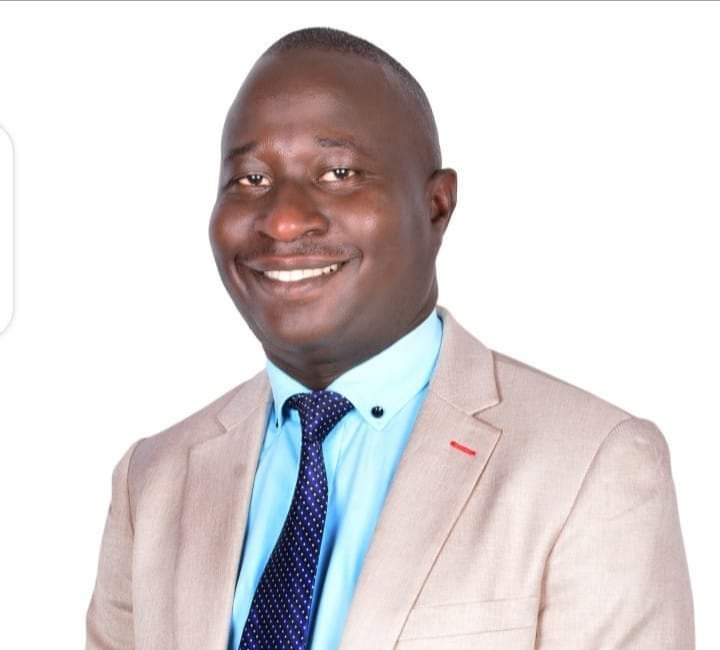
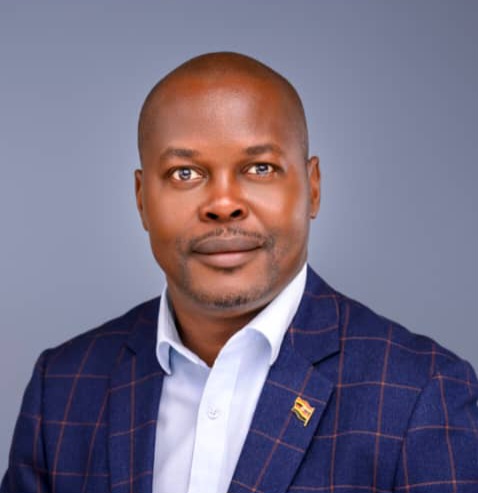
Kagenyi Lukka
The writer is the Deputy RCC Kampala City-Kawempe Division
Do you have a story in your community or an opinion to share with us: Email us at Submit an Article