The celebrations that followed Uganda’s 2025–2026 parliamentary elections have been loud and triumphant, filled with the language of victory, renewal, and popular mandate. Yet beneath this surface of political success lies a quieter and more troubling reality: Parliament has lost some of its most courageous, principled, and intellectually grounded voices.
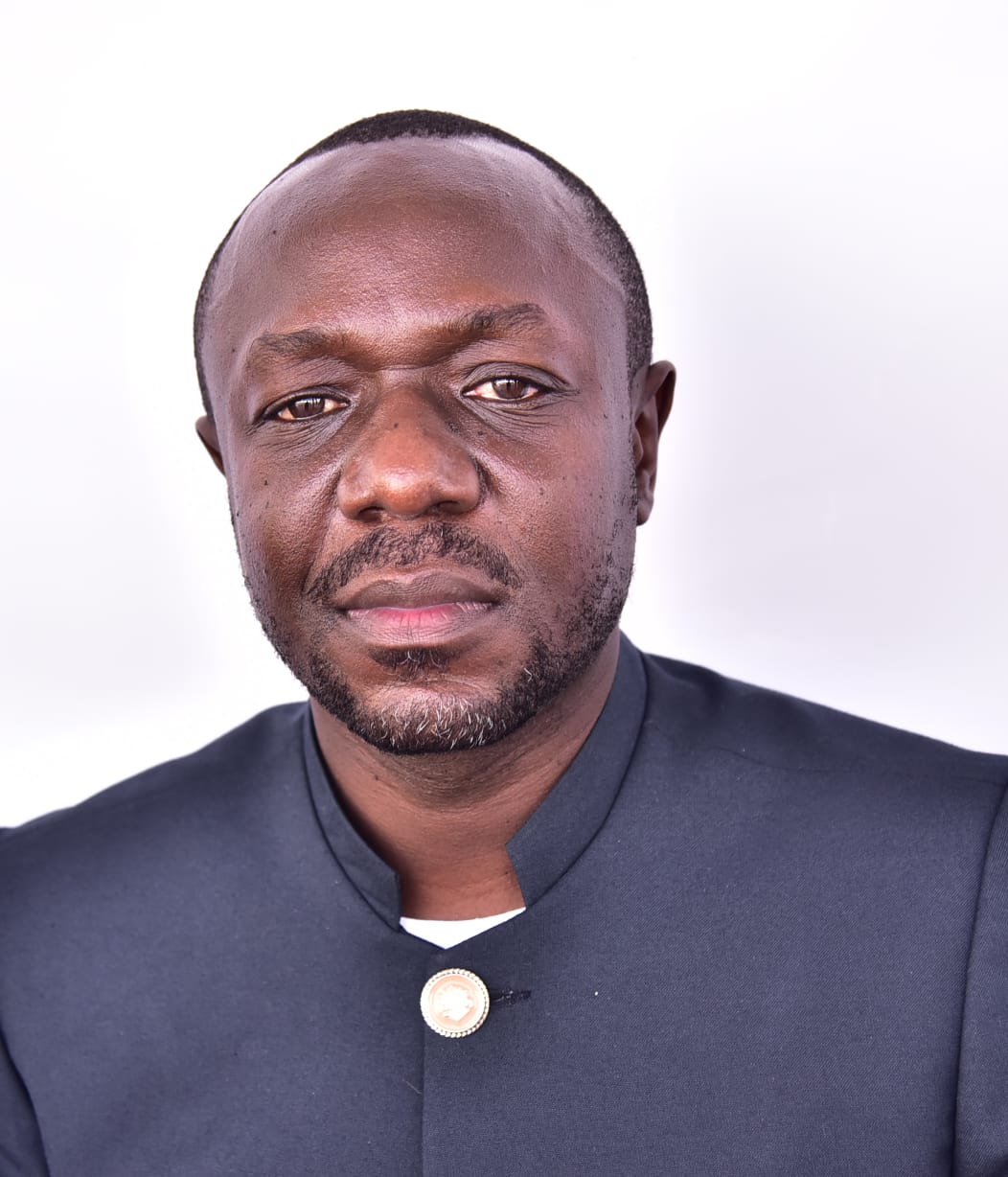
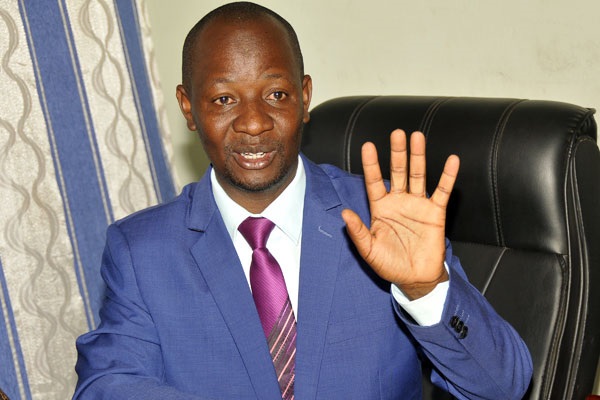
The departure of Semuju Nganda, long regarded as one of the fiercest independent minds in the House, is not simply the loss of a seat. It is a symbolic and structural weakening of the institution itself.
Nganda represented a particular tradition of parliamentary politics that is increasingly rare one rooted in fearless questioning, constitutional reasoning, and a refusal to trade principle for convenience. His presence ensured that executive power was not merely observed, but actively interrogated. With his exit, Parliament loses not only a sharp debater, but a moral compass that consistently pointed back to the public interest.
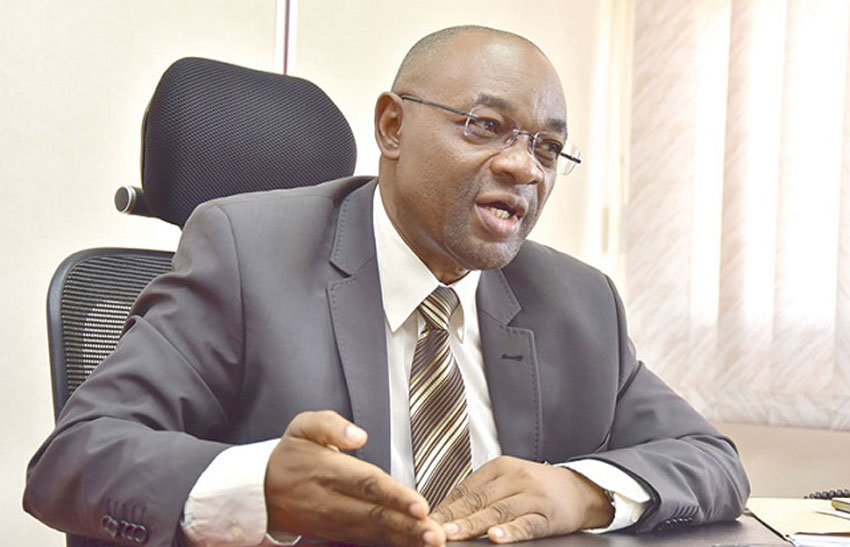
His loss, however, did not occur in isolation. The same electoral tide swept away Abdu Katuntu, a veteran legislator whose deep mastery of parliamentary procedure and constitutional practice often shaped the tone and substance of debate.
Mathias Mpuuga, former Leader of the Opposition and a central figure in strategic resistance to executive overreach, also fell, the man who rightly told public there no sense in participating in an election without electeral reforms.
Muwanga Kivumbi, known for grounding policy arguments in the lived realities of ordinary citizens, exited the chamber.
Medard Lubega Ssegona, whose legal rigor and attention to legislative detail frequently prevented the passage of poorly scrutinized laws, is gone. Asuman Basalirwa, one of the few opposition figures consistently guided by ideology and constitutionalism rather than political expediency, no longer occupies his seat.
Taken together, these departures do not resemble the normal rhythm of electoral change. They point instead to a qualitative shift in the character of Parliament itself. An institution once animated by a balance of experience, dissent, and legal sophistication now risks becoming more uniform in voice and thinner in substance.
Parliament is not merely a collection of newly elected representatives. It is an evolving institution that depends on memory, precedent, and the quiet authority of those who understand how power has been used and misused in the past.
Figures like Nganda, Katuntu, and Ssegona carried with them the accumulated wisdom of past legislative battles, constitutional crises, and policy struggles. They served as informal teachers to younger MPs, reminding them that procedure is not a technicality, but a safeguard, and that law is not a formality, but a shield for citizens against arbitrary power. Their absence creates a vacuum that no numerical majority can fill.
The constitutional role of Parliament, as set out in Article 79, is clear: to make laws, oversee the executive, and approve national budgets. In practice, this role lives or dies by the quality of those willing to challenge authority. Oversight is not an automatic function of holding a seat; it is an act of political courage. It requires MPs who are prepared to risk popularity, party favor, and personal advantage in order to ask uncomfortable questions about public spending, policy direction, and the limits of executive action. Nganda, Mpuuga, Kivumbi, Basalirwa, and their peers embodied this spirit. Their collective absence raises the uncomfortable possibility that Parliament may increasingly perform the rituals of democracy while losing its confrontational heart.
One of the most profound consequences of this shift is the narrowing of intellectual and ideological diversity within the House. Asuman Basalirwa’s presence, in particular, symbolized a form of opposition rooted in constitutional principle rather than transactional politics. His arguments were often less about short-term political gain and more about long-term legal and civil liberties implications. When such voices fade, debate risks becoming less about ideas and more about alignment. Policy discussions lose their philosophical depth, and the chamber’s role as a marketplace of competing visions for the nation weakens.
Political theory offers a sobering lens through which to view this moment. John Stuart Mill famously argued that even a single dissenting voice is essential to the health of society, not because it is always right, but because it forces the majority to justify itself. Democracy, in this sense, thrives on friction. Alexis de Tocqueville’s warning about “soft despotism” is equally relevant—a condition where institutions remain formally democratic, elections continue to be held, and parliaments continue to sit, yet real resistance quietly withers away. Power is no longer challenged because those most capable of challenging it are no longer present.
The legal and civic implications of this development are not abstract. Without seasoned legislators who understand constitutional boundaries and procedural safeguards, the quality of lawmaking risks decline. Bills may pass with less scrutiny, budgets with fewer probing questions, and ministerial statements with less demand for evidence and accountability. Over time, this weakens public confidence in Parliament as a genuine defender of the national interest rather than a passive participant in executive ambition.
For citizens, the loss is deeply personal, even if it is not immediately visible. People draw reassurance from knowing that somewhere in the chamber are individuals willing to stand alone, if necessary, in defense of rights, transparency, and fairness. When such figures disappear, what fades is not just opposition, but trust. The sense that Parliament belongs to the people, rather than to power, becomes harder to sustain.
In this light, the 2026 MP victories demand a more reflective response than celebration. Electoral success measured purely by numbers obscures the more important question of what kind of Parliament those numbers produce. The strength of a legislature is not found in the size of its majority, but in the quality of its debate, the independence of its members, and the courage with which it confronts authority.
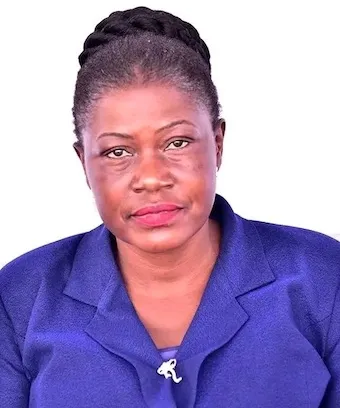
The departure of Semuju Nganda, alongside Abdu Katuntu, Mathias Mpuuga, Muwanga Kivumbi, Medard Lubega Ssegona, and Asuman Basalirwa, Joice Baagala, Namugga, marks a turning point. These were not simply politicians occupying seats; they were guardians of constitutionalism, institutional memory, and principled dissent. Their absence leaves behind a chamber that may remain full, busy, and orderly, yet increasingly hollow in spirit.
If there is nothing to celebrate in these victories, it is because democracy is not sustained by applause, but by argument; not by comfort, but by challenge. A Parliament that loses its most critical voices does not merely change in composition it changes in character. And in that change lies a quiet warning about the future of Uganda’s constitutional democracy.
We are all victims.
Do you have a story in your community or an opinion to share with us: Email us at Submit an Article