Sign In
  • UGANDA
  • AFRICA
  • WORLD
watchdog uganda logo
Submit an Article
  • Home
  • News
    • National
    • Politics
    • World News
    • Media Outreach Newswire
    • Africa News
    • Tourism
    • Community News
    • Luganda
    • Sports
      • Football
      • Motorsport
  • Op-Ed
    • #Out2Lunch
    • Conversations with
    • Politics
    • Relationships
  • Business
    • Agriculture
    • CEOs & Entrepreneurs,
    • Companies
    • Finance
    • Products
    • RealEstate
    • Technology
  • Entertainment
    • Lifestyle
  • People
    • Showbiz
      • Salon Mag
  • Special Report
    • Education
    • Voices
  • Reviews
    • Products
    • Events
    • Hotels
    • Restaurants
    • Places
  • Forums
  • Donate
  • China News

Archives

  • January 2026
  • December 2025
  • November 2025
  • October 2025
  • September 2025
  • August 2025
  • July 2025
  • June 2025
  • May 2025
  • April 2025
  • March 2025
  • February 2025
  • January 2025
  • December 2024
  • November 2024
  • October 2024
  • September 2024
  • August 2024
  • July 2024
  • June 2024
  • May 2024
  • April 2024
  • March 2024
  • February 2024
  • January 2024
  • December 2023
  • November 2023
  • October 2023
  • September 2023
  • August 2023
  • July 2023
  • June 2023
  • May 2023
  • April 2023
  • March 2023
  • February 2023
  • January 2023
  • December 2022
  • November 2022
  • October 2022
  • September 2022
  • August 2022
  • July 2022
  • June 2022
  • May 2022
  • April 2022
  • March 2022
  • February 2022
  • January 2022
  • December 2021
  • November 2021
  • October 2021
  • September 2021
  • August 2021
  • July 2021
  • June 2021
  • May 2021
  • April 2021
  • March 2021
  • February 2021
  • January 2021
  • December 2020
  • November 2020
  • October 2020
  • September 2020
  • August 2020
  • July 2020
  • June 2020
  • May 2020
  • April 2020
  • March 2020
  • February 2020
  • January 2020
  • December 2019
  • November 2019
  • October 2019
  • September 2019
  • August 2019
  • July 2019
  • June 2019
  • May 2019
  • April 2019
  • March 2019
  • February 2019
  • January 2019
  • December 2018
  • November 2018
  • October 2018
  • September 2018
  • August 2018
  • July 2018
  • June 2018
  • May 2018
  • April 2018
  • March 2018
  • February 2018
  • January 2018
  • December 2017
  • November 2017
  • October 2017
  • September 2017
  • August 2017
  • July 2017
  • June 2017
  • May 2017
  • April 2017
  • March 2017
  • February 2017
  • January 2017
  • November 2016
  • October 2016
  • September 2016
  • August 2016
  • July 2016
  • September 2015
  • April 2014
  • June 2013

Categories

  • #Out2Lunch
  • Agriculture
  • Big Brother Naija Dairy
  • Business
  • CEOs & Entrepreneurs,
  • China News
  • Community News
  • Companies
  • Conversations with
  • Court
  • culture
  • Deplomacy
  • Education
  • Education
  • Entertainment
  • Entrepreneurs
  • Events
  • Fashion
  • Finance
  • Football
  • Health
  • Hotels
  • Innovation
  • Lifestyle
  • Luganda
  • Motorsport
  • National
  • News
  • Op-Ed
  • Opinion
  • People
  • Photos
  • Places
  • Politicians
  • Politics
  • Politics
  • Products
  • Products
  • RealEstate
  • Relationships
  • religion
  • Reports
  • Restaurants
  • Reviews
  • Salon Magazine
  • Showbiz
  • Special Report
  • Sports
  • Stars
  • Technology
  • Tourism
  • Travel
  • Traveler
  • Trips
  • Video
  • Voices
  • World
  • World News
Reading: Habitat III decisions crucial for the future of Africa’s cities
Share
Watchdog UgandaWatchdog Uganda
Font ResizerAa
  • Home
  • News
  • Op-Ed
  • Business
  • Entertainment
  • People
  • Special Report
  • Reviews
  • Forums
  • Donate
  • China News
Search
  • Home
  • News
    • National
    • Politics
    • World News
    • Media Outreach Newswire
    • Africa News
    • Tourism
    • Community News
    • Luganda
    • Sports
  • Op-Ed
    • #Out2Lunch
    • Conversations with
    • Politics
    • Relationships
  • Business
    • Agriculture
    • CEOs & Entrepreneurs,
    • Companies
    • Finance
    • Products
    • RealEstate
    • Technology
  • Entertainment
    • Lifestyle
  • People
    • Showbiz
  • Special Report
    • Education
    • Voices
  • Reviews
    • Products
    • Events
    • Hotels
    • Restaurants
    • Places
  • Forums
  • Donate
  • China News
Have an existing account? Sign In
Follow US
© 2026 Watchdog Uganda. Ruby Design Compan. All Rights Reserved.
NationalNewsWorld News

Habitat III decisions crucial for the future of Africa’s cities

Watchdog Uganda
Last updated: 22nd October 2020 at 15:21 3:21 pm
Watchdog Uganda
Share
SHARE

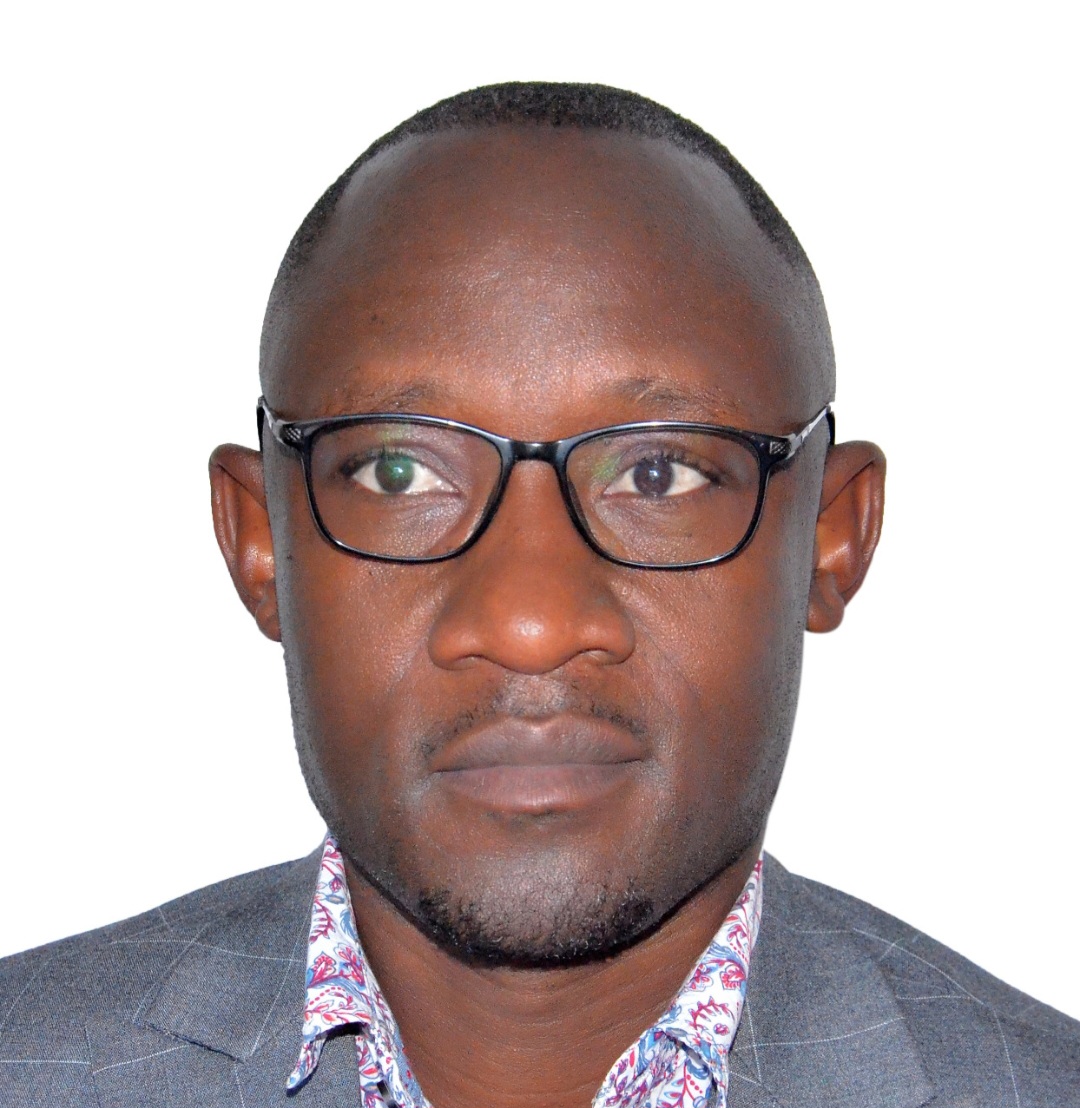
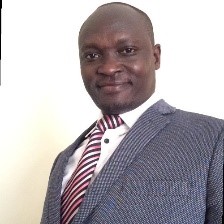
Mr Otim

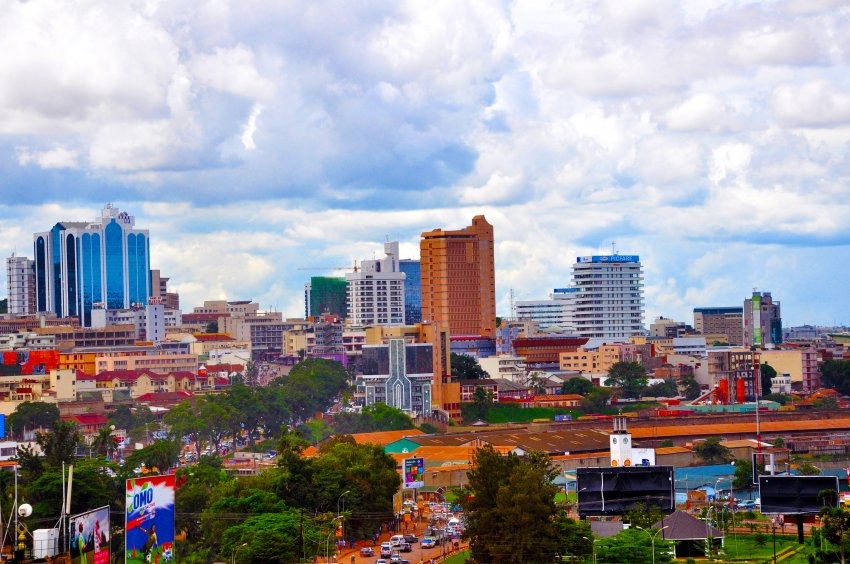
The Urban Growth Rate in Africa is 11 more rapid than the growth rate in Europe, according to the World Cities Report of 2016. Africa will have some of the fastest growing cities in the world over the next 50 years.
Unless something is done, and done soon, millions more will flood into unplanned cities and live in already overcrowded informal settlements and slums.
Cities and Infrastructure for Growth Uganda (CIG) states that Uganda’s current urbanizing rate is at 5.2% per annum with only one city which is the 13th fastest growing city in the World. It would appear as if the United Nation’s Habitat III conference, which happens every 20 years, and New Urban Agenda couldn’t come at a better time.
Habitat III’s goals sound simple — develop well-planned and sustainable cities, eradicate poverty and reach full employment, and respect human rights. Being able to leverage the key role of cities and human settlements as drivers of sustainable development in an increasingly urbanised world, the meeting will seek political commitment to promote and realise sustainable urban development.

This could be a watershed moment for Africa’s cities. But critical challenges stand in the way of making Africa’s cities economic powerhouses, centres for exchanging ideas, and places that meld cultures and peoples. Three types of investment are needed.

First, economic and, specifically, industrial expansion hasn’t materialised in Africa as it has in other parts of the world. There was a glimmer of hope in the early 1970s, but between 1975 and 1990 Africa’s development was slowed by conflict, political disputes and poorly conceived/executed economic plans. After more than two decades of economic expansion, Brookings Institution, citing the African Development Bank and the IMF, noted that “growth in sub-Saharan Africa slowed to 3.4% in 2015,” reflecting lower commodity prices, the global economic slowdown and uncertainty in financial systems. 2016 doesn’t look any better, and in some countries the pace of industrialisation is starting to regress.

Capital investment to fund critical urban infrastructure is lagging. The lack of formal job creation has hurt per-capita income growth, stagnating salaries and home ownership, which, in other parts of the world — most notably in Asia — have transformed lives and livelihoods. And the steady population growth has increased the size and number of unplanned informal settlements and slums, exacerbated by inadequate and uncoordinated housing policies. That’s not good news for Africa’s middle-class urban dwellers. Sixty-two percent of urban dwellers live in slums or informal settlements, and just get by. It also makes the case for deep structural transformation.

Second, at the macro level, governments need to refocus attention on the size and speed of industrialisation and well thought-through and implemented urban plans. Industrialising and investing in Africa will create jobs, and jobs will generate more income that will fuel economic growth further.

Urban planning is crucial because it will ensure reliable power, clean water, sanitation, and roads/transportation links that encourage private-sector investment. Both go hand in hand. It has worked in Asia, which received USD 465 billion in foreign direct investment in 2014 compared to Africa’s USD 54 billion according to a 2014 UNCTAD report.

Third, at the micro level, the close integration of urban planning and industrialisation will ensure Africa’s urban residents have clean water resulting in less sick days, lower medical bills and more disposable income. Reliable power to businesses will generate much needed jobs and give residents a higher quality of life. Well-planned and efficient public transportation will decrease commuting time, cut air pollution, and put 20% to 50% of urban dwellers’ disposable income spent on transportation back into their pockets.

Habitat III’s New Urban Agenda goes beyond hard-nosed business and economic solutions. To knit everything firmly into place, governments need to end discrimination and ensure property rights so cities can be sustainable and equitable. Human rights, which are often enshrined in constitutions, are left unprotected in practice and tradition. For example, discrimination based on gender is common.
While the law says women can inherit land, tradition says no. Laws will not change deeply held beliefs that deem it okay for a widow and her children to be kicked out of their home by her late husband’s relatives. This behavior needs to be addressed and changed at the grassroots level with family, clans and tribal leaders.

Weak property rights do more than entrench social inequality; they constrain urban economies, especially housing markets. This has a knock-on effect. Without proper security of tenure in place, people can’t get a loan or build a house. The lack of collateral — a deed — means that more than 80% of Africa’s population can’t secure a formal housing loan. When the cost of securing tenure is added to the mix —which can equal a person’s annual salary in some countries —property is no longer an asset for economic growth.

Contrasting Kenya with Morocco and Tunisia provides a very clear example of how ensuring land rights and secure tenure systems can improve economic performance. Insecure land tenure due to customary law and politically connected land grabbing, together with informal settlement and slum landlord rental housing return rates of between 70% and 100%, have left millions of middle class Kenyans unable to afford a home let alone rent one. In Morocco and Tunisia on the other hand, a well-ordered and professional property sector is helping drive economic growth because property has been monetised and defined land rights make investments in infrastructure development possible.

For Africa’s cities to become livable, prosperous and equitable, it will take a three-pronged approach that invests in industrialisation, promotes urban planning and changes behavior. Industrialisation will provide jobs and increase per-capita income, making it possible for people to improve their lives. Planned cities will be more economically viable, healthier and safer. Changing beliefs, respecting rights and enforcing regulations will help ensure that everyone benefits. All of the pieces are in place to drive Africa’s urban agenda.

The writer is Robert Otim, the National Director Habitat for Humanity Uganda


Do you have a story in your community or an opinion to share with us: Email us at Submit an Article
Subscribe to Our Newsletter
Subscribe to our newsletter to get our newest articles instantly!
TAGGED:Habitat For HumanityHabitat III
Share This Article
Facebook Whatsapp Whatsapp Email Copy Link
ByWatchdog Uganda
Follow:
Watchdog is a breaking news and blogs online publication covering majorly issues about Uganda and East Africa at large. Email: info@watchdog.co.ug
Previous Article HENRY MUTEBE: The headache of discussing Ugandan issues
Next Article Haruna ‘has did it’ again, tenants get free rent gift

Editor's Pick

Op-EdPolitics

NESTOR BASEMERA,PhD: ‘Overly ambitious’ ‘too aggressive’, -or ‘slay queens’: Gendered attacks, threats, and disinformation in Ugandan politics

Disinformation has become a prominent aspect of electoral campaigns worldwide, shaping political…

By
watchdog
3 Min Read
Community NewsNewsPolitics

Petition Against Joel Ssenyonyi Sparks Political Debate As His Aunt Joan Vumilia Responds

Kampala, Uganda – A petition challenging the nomination of Nakawa West Member…

3 Min Read
Politics

Pastor Kayanja Says Museveni’s Seventh Term Will Be a Season of Completion

The Founder and Senior Pastor of Miracle Centre Cathedral, Pastor Robert Kayanja,…

2 Min Read

Top Writers

Mike Ssegawa 671 Articles
Two decades of reporting, editing and managing news content. Reach...
Mulema Najib 4316 Articles
News and Media manager since 2017. Specialist in Political and...

Op-ED

ROBERT ATUHAIRWE: Don’t you dare mess with data of Ugandans!

Reports of individuals and organisations gaining unauthorized access to the…

9th January 2026 at 11:46

#OutToLunch: How Uganda can easily reduce the housing deficit

By Denis Jjuuko It is not…

8th January 2026 at 13:50

OWEYEGHA AFUNADUULA: Two sides of the same coin: Intellectual Death and cultural death in Uganda

Since 1986, Uganda has been subjected…

8th January 2026 at 11:17

NESTOR BASEMERA,PhD: ‘Overly ambitious’ ‘too aggressive’, -or ‘slay queens’: Gendered attacks, threats, and disinformation in Ugandan politics

Disinformation has become a prominent aspect…

7th January 2026 at 22:14

Why Trump’s Visa Bond Targets Uganda — And What It Means for US–Uganda Relations

Diplomatically, the bond policy introduces quiet…

7th January 2026 at 09:30

You Might Also Like

News

First Lady Janet Museveni Commissions UVTAB assessment Centre

By Edrisa Ssentongo The first Lady and Minister of education and sports Janet Museveni alongside the state Minister for higher…

2 Min Read
News

Col. Nakalema rallies Kasese youth on peace and security 

The head of the State House Investors Protection Unit (SHIPU), Col. Edith Nakalema Asizua has implored the youth in Kasese…

5 Min Read
News

President Museveni emphasises NRM’s key contributions to Uganda as he meets Acholi and Adjumani leaders 

President Yoweri Kaguta Museveni yesterday met local leaders from Acholi and Adjumani at Awich PTC in Laroo Pece Division, Gulu…

6 Min Read
News

President Museveni urges student leaders to champion wealth creation and ideological clarity 

President Yoweri Kaguta Museveni on Wednesday met and held insightful discussions with leaders of the Inter-University Guild Leaders Network at…

4 Min Read
watchdog uganda logo

About Us

Watchdog Uganda is a portal for solution journalism, trending news plus cutting edge commentaries in the fields of politics, security, business, tourism, entertainment, technology, agriculture, climate change, environment, public health et al. We also give preference to Ugandan community news and topical discussions. The portal also publishes community news and topical discussions.

Quick Links

  • Submit an Article
  • Forums
  • About Us
  • Contact Us
  • Advertise
  • Terms and Conditions

Information you can trust:

Reuters, the news and media division of Thomson Reuters, is the world’s largest multimedia news provider, reaching billions of people worldwide every day, Sign up for our free daily newsletter: thomson@reutersmarkets.com

Follow Us

FacebookLike
XFollow
YoutubeSubscribe
TiktokFollow

© 2026 Watchdog Uganda. All Rights Reserved.

Welcome Back!

Sign in to your account

Username or Email Address
Password

Lost your password?