As Uganda prepares for the upcoming elections in less than five days, it is hair-raising to note that less than 30 percent of women are running for the elections under the constituency post category. The few women who are nominated have to compete against powerful male leaders, highlighting the ongoing issue of gender inequality in politics not just in Uganda but in many other countries as well. This implies that the potential impact of women in leadership roles and the positive effects that women can have on society are often overlooked.
However, societies that have embraced women in positions of power have seen significant benefits. A recent study by the International Monetary Fund (2025), suggests that countries could experience a substantial increase in productivity if men and women had equal participation in the workforce. For example, in the UAE, a level playing field for women could boost the country’s GDP by 12 percent, Japan’s by nine percent, and the United States’ by five percent (ibid).
Take Rwanda, for instance. Despite the country’s tragic past of a genocidal civil war that claimed the lives of many, including a large number of women, Rwanda now leads the world with 64 percent of parliamentary seats held by women. This progress can be attributed to the active involvement of women in various sectors such as politics, business, and administration. Rwanda’s economy has thus thrived, with an 8.8 percent growth in 2024 and an expected 7.5 percent growth this year, according to the Rwandan Central Bank (2023). The World Bank (2025), reports that Rwanda’s economy doubled in size between 2014 and 2024.
Despite the affirmative action measures in Uganda’s constitution to support marginalized groups, including women, political parties need to do more to field female candidates for elected positions in order to address the discrepancy in leadership roles. While there are challenges in achieving gender equality in politics, it is crucial to build on the progress that has been made. Voter registration data for the upcoming election shows an improvement in registering more Ugandan women, with 53 percent of registered voters being female compared to 47 percent male. However, this does not translate to women in leadership positions. While the proportional system may help meet quotas, it can also limit the influence of female politicians. Increasing the number of women in positions of power can lead to innovative solutions for economic and social issues, ultimately benefiting society as a whole.
As the clock ticks for yet another general election, the decision of some political players not to maintain or improve the percentage of female candidates is cause for concern. Strong support from family members is thus a prerequisite for female candidates to be more assertive in the political space.
Similarly, the electoral commission, voters, human rights activists, and civil society organizations have a role to play in upholding constitutional provisions that protect the gains made in gender equality. The presence of female politicians diversifies policy agendas and promotes equity and justice. True democracy cannot be achieved if half of the population remains underrepresented in politics. Therefore, it is imperative that voters and political parties in Uganda give women the opportunity to participate fully in the political process.
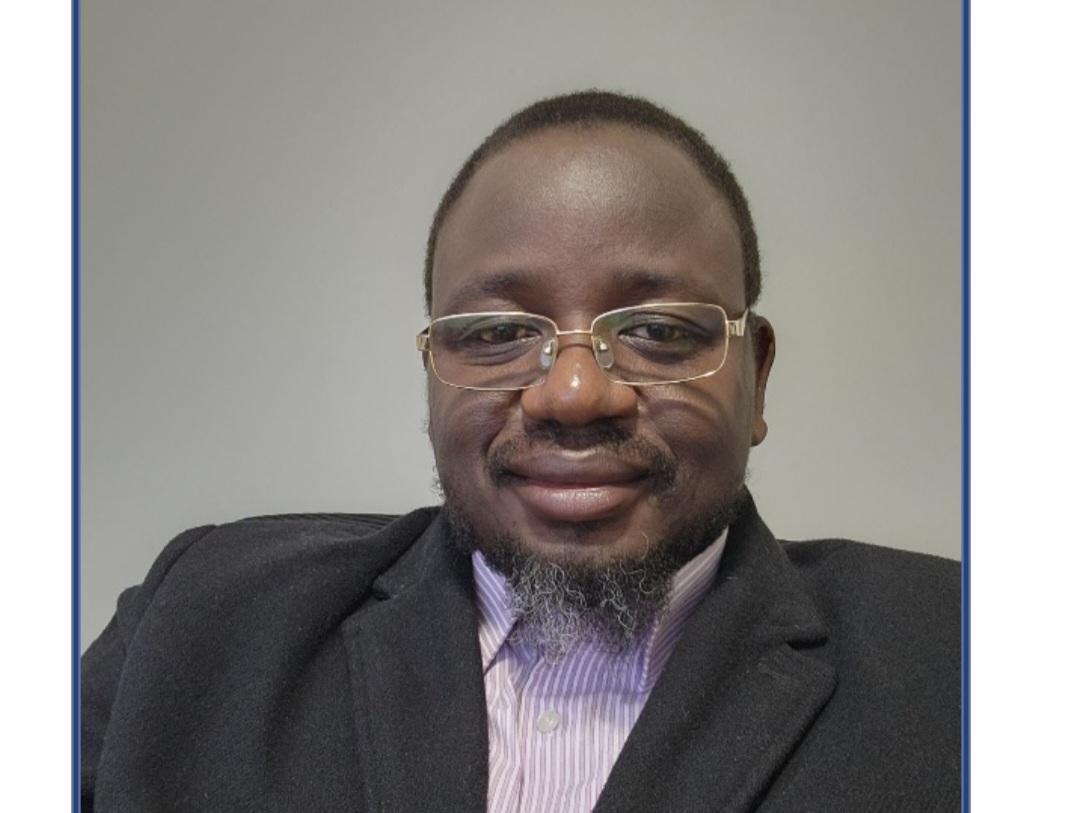
Basemera Nestor, PhD
Email: basemeranestor3gmail.com
Do you have a story in your community or an opinion to share with us: Email us at Submit an Article