When the dust settled on the 2021 presidential election, one figure stood tall with an emphatic 71% victory: President Yoweri Kaguta Museveni. Behind this triumph lay not only the machinery of the National Resistance Movement but also the quiet, relentless work of the Office of the President under Hon. Milly Babalanda. Her foresight in strengthening the institution of the Resident District Commissioners (RDCs) and introducing Assistant RDCs proved decisive in shaping the outcome. What many saw as a routine administrative reform became the backbone of grassroots mobilisation, security assurance, and the restoration of confidence in government programs.
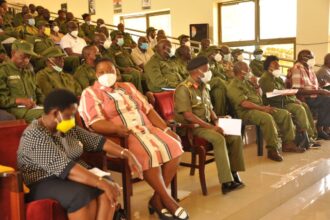
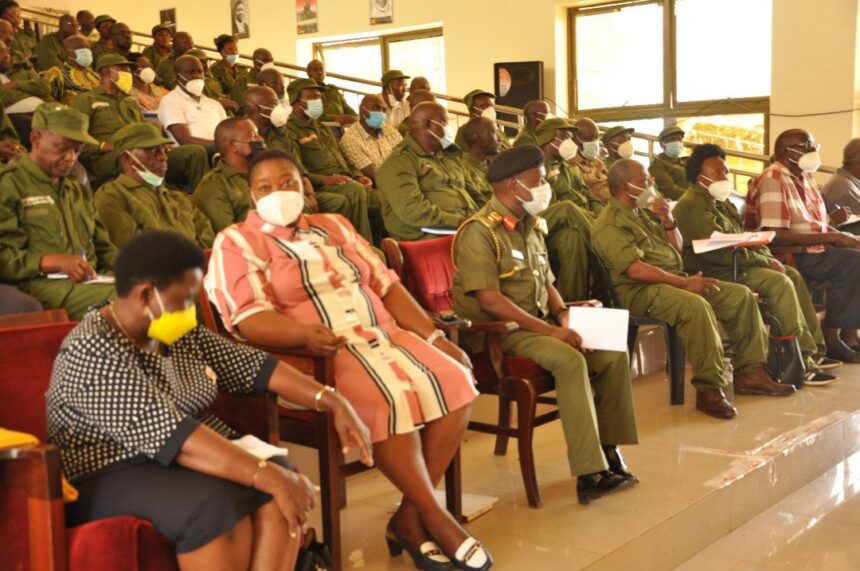
Back in 2021, Babalanda proposed enhancing manpower at the RDCs’ offices, a move that birthed nearly 500 Assistant RDCs across the country. Their mandate was clear: mobilise communities, monitor government programs, and fight graft in service delivery. This was not a cosmetic addition but a strategic deployment of human capital to ensure the Presidency was felt in every corner of Uganda. The impact was immediate. Villages that had long felt neglected suddenly had a direct line to the government. Communities that had grown bitter with unmet promises began to soften as they saw tangible oversight and accountability. By the time campaigns rolled around, political mobilisers found fertile ground; convincing voters to rally behind the NRM and Museveni became less of a struggle and more of a natural progression. It is no coincidence that the NRM regained its majority in Parliament and the President swept all but one region of the country.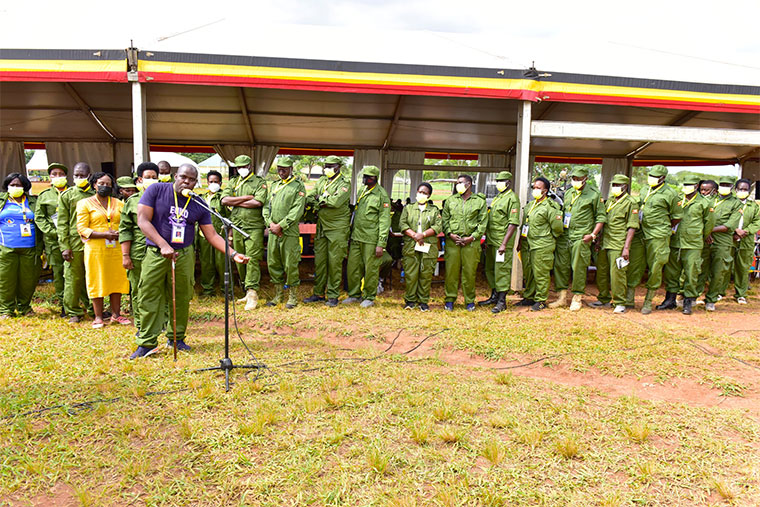
Yet mobilisation was only half the story. The RDCs were also entrusted with security, a responsibility that became critical as opposition candidates sought to destabilise the country during campaigns. At one rally, Robert Kyagulanyi Ssentamu urged his supporters to march to Kampala and “take it down.” Such rhetoric threatened to plunge the nation into chaos, leaving many voters fearful of participating in the elections. Memories of 2016 and earlier contests lingered, when intimidation and violence had pushed NRM supporters away from polling stations, tilting results in favor of the opposition. This time, however, RDCs stood firm. As heads of security in their districts, they provided invaluable assurances to the masses: all would be well, and their safety was guaranteed. That confidence translated into turnout. Voters came in droves, secure in the knowledge that their choice would not cost them their peace. The NRM’s victory was not accidental—it was the fruit of deliberate, coordinated effort.
The Office of the President, under Babalanda and Permanent Secretary Hajji Yunus Kakande, ensured that RDCs were not left to improvise. Routine capacity-building engagements were organized, both regionally and virtually via Zoom, equipping officials with fresh tools to deliver on their mandate. These sessions were not mere workshops; they were strategic briefings that aligned RDCs with the broader vision of the Presidency. Coordination with the police, the army, and the Internal Security Organisation created a seamless security apparatus. The result was a calm and peaceful country during and after the elections, a stark contrast to the tense atmosphere many had feared.
Statistics bear out the success of this approach. Museveni’s 71% was not just a number; it represented millions of Ugandans who felt reassured enough to cast their vote. The NRM’s majority in Parliament reflected a nationwide endorsement of stability and continuity. In regions where RDCs had been particularly active, turnout surged compared to previous elections. Anecdotal evidence from communities in Masaka, Gulu, and Arua revealed a common refrain: “We felt the government was with us.” That sentiment was the invisible hand guiding ballots into boxes.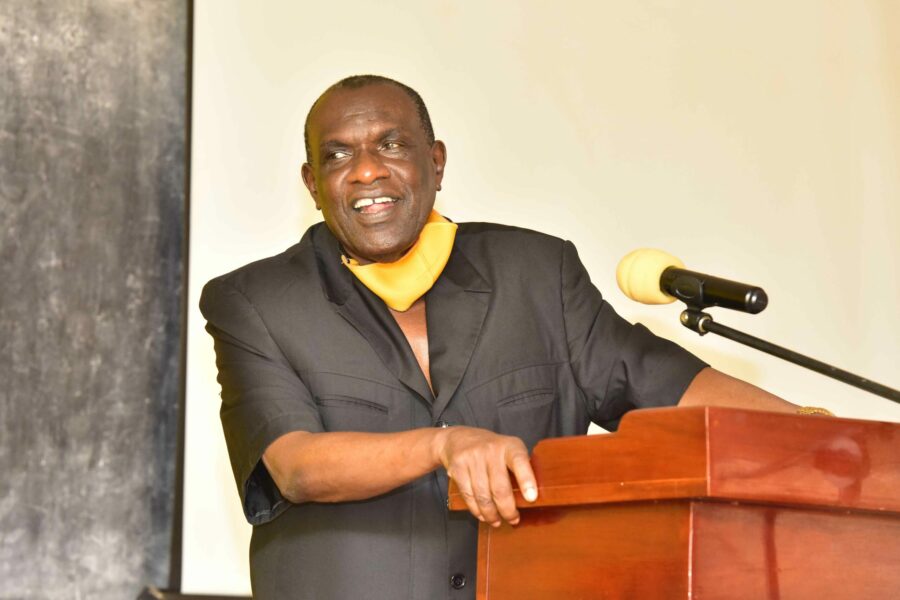
Quotations from officials further underscore the impact. One Assistant RDC in Eastern Uganda remarked, “Our presence in the villages changed everything. People saw us monitoring projects, fighting corruption, and standing with them. When the time came to vote, they knew who had been there all along.” Another RDC from Northern Uganda noted, “Security was our biggest challenge, but with the support from the Presidency, we assured our people. They trusted us, and they turned out.” These voices echo a broader truth: the RDCs became the face of the government at the grassroots, embodying the Presidency’s commitment to service and stability.
Milly Babalanda’s role cannot be overstated. Her vision to expand and empower the RDCs was not universally embraced at first. Critics questioned the need for Assistant RDCs, dismissing them as bureaucratic excess. But the election results silenced those doubts. By institutionalizing grassroots presence, she ensured that the government’s message was not lost in translation. Her leadership style—practical, hands-on, and deeply attuned to the realities of ordinary Ugandans—proved to be the missing link in the NRM’s campaign machinery. Flowers must indeed be laid at her feet, for she orchestrated a symphony of mobilisation and security that delivered victory.
The broader lesson is clear: elections are not won in the abstract. They are won in the villages, the trading centers, the schools, and the churches where ordinary citizens live their daily lives. By embedding RDCs and Assistant RDCs into these spaces, the Presidency under Babalanda transformed governance from a distant promise into a lived reality. That transformation softened hearts, restored trust, and ultimately secured votes. Museveni’s 71% was not just a testament to his enduring appeal but also to the structures that carried his message to the people.
In retrospect, the 2021 election will be remembered not only for its outcome but for the strategy that underpinned it. The RDCs, empowered and coordinated, became the unsung heroes of the campaign. Their dual role in mobilisation and security bridged the gap between government and citizen, between promise and delivery, between fear and confidence. And at the center of it all stood Milly Babalanda, whose foresight and leadership ensured that the Presidency was not an office in Kampala but a presence in every district of Uganda. As the nation reflects on Museveni’s victory, it is fitting to commend the RDCs and to lay flowers for Babalanda, the architect of a strategy that turned 71% into reality.
The writer is the Assistant Resident City Commissioner for Nyendo Mukungwe- Masaka City
Do you have a story in your community or an opinion to share with us: Email us at Submit an Article