The Rise of Union Transport Alliance: Oil & Jambo Riders Give Uganda Hope for a Modern Transport Revolution
By Brian Mugenyi
mugenyijj@gmail.com
KAMPALA
There is an old saying that “where vision leads, opportunity follows.
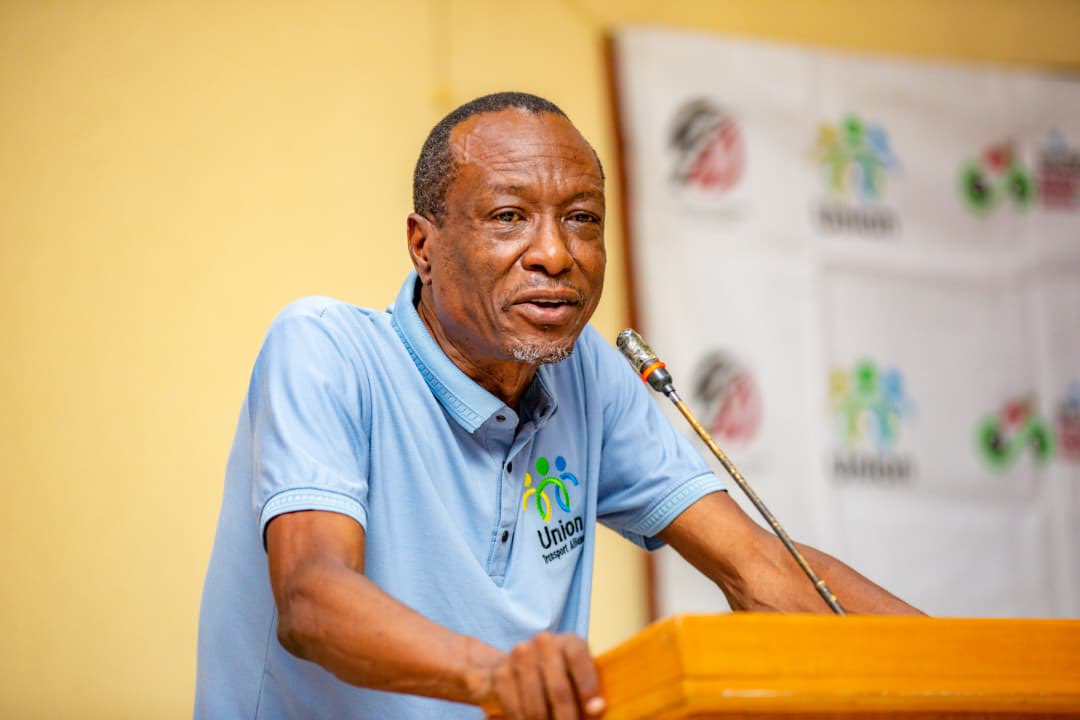
In Uganda’s rapidly changing business landscape, few entrepreneurs appear to embody that philosophy more than businessman Fred Ssenoga, whose ventures are increasingly attracting attention for their contribution to transport innovation, youth empowerment, and financial inclusion.
At a time when Uganda is searching for sustainable solutions to unemployment, rising fuel costs, and urban mobility challenges, the emergence of Union Oil and Jambo Riders is being viewed by many industry observers as a sign of the country’s evolving entrepreneurial spirit.
Business, after all, thrives on innovation. And innovation often begins with identifying everyday problems and turning them into opportunities.
A Vision Beyond Ordinary Transport
For years, Uganda’s boda boda industry has remained one of the country’s largest informal employers, supporting millions of households directly and indirectly.
However, the sector has also faced challenges ranging from high fuel costs and limited access to financing to road safety concerns and environmental pollution.
Ssenoga’s vision seeks to address some of these challenges through a combination of technology, cooperative mobilisation, affordable financing, and cleaner transport alternatives.
Through Jambo Riders, operators are increasingly being introduced to modern systems of transport management, digital applications, and cooperative-based economic empowerment.
Industry stakeholders argue that such innovations could play a significant role in transforming Uganda’s urban transport sector.
The Rise of Union Oil
Alongside transport services, Ssenoga established Union Oil with the objective of providing reliable fuel and energy products to motorists and businesses.
The company has steadily positioned itself as a growing player in Uganda’s competitive energy market, serving motorists, commercial transport operators, and household consumers.
Observers say businesses that support transport infrastructure are critical to Uganda’s economic future because efficient movement of people and goods directly influences trade, productivity, and investment.
As economists often note, “an economy moves at the speed of its transport system.”
Empowering Riders Through Cooperatives
One of the strongest pillars behind Ssenoga’s model is cooperative mobilisation.
Working alongside leaders such as Frank Mawejje, the initiative has encouraged riders to join organised savings groups, SACCOs, and cooperative structures aimed at improving household incomes and financial security.
The approach aligns with broader government efforts to promote wealth creation through collective economic participation.
Instead of relying solely on daily earnings, riders are encouraged to save, invest, and access financial products that can improve their livelihoods.
Development experts argue that such structures are essential in helping informal sector workers transition into more sustainable economic activities.
The Electric Mobility Opportunity
Perhaps the most notable aspect of the Jambo Riders initiative is its growing interest in cleaner and more environmentally friendly transport solutions.
Unlike traditional motorcycles that rely heavily on petrol, electric mobility options are increasingly being explored as a way of reducing operational costs and environmental pollution.
With global attention shifting towards green energy, Uganda’s boda boda sector could potentially benefit from innovations that lower fuel expenditure while promoting cleaner cities.
Environmental analysts argue that transport remains one of the largest contributors to urban air pollution across many developing countries.
Consequently, businesses investing in cleaner mobility technologies are increasingly being viewed as part of the solution.
Expanding Access to Financing
According to Alice Natukunda, the initiative is also focusing on improving access to affordable financing opportunities for ordinary Ugandans.
She notes that communities are being mobilised to access products and income-generating opportunities through structured financing arrangements.
The broader objective, she says, is to empower families economically while encouraging entrepreneurship and asset ownership.
“We want to see more households benefiting from business opportunities and transport-related investments that can improve livelihoods,” she explained.
Why It Matters
Uganda’s youthful population continues to grow, with thousands entering the labour market every year.
Creating jobs and sustainable income opportunities remains one of the country’s biggest economic challenges.
Business analysts believe initiatives that combine transport innovation, cooperative mobilisation, financial inclusion, and technology could become important drivers of economic transformation.
For entrepreneurs like Fred Ssenoga, the journey is about more than motorcycles, fuel, or digital applications.
It is about building systems that create opportunity.
As Uganda looks toward a future shaped by innovation and enterprise, ventures such as Union Oil and Jambo Riders offer a glimpse of what is possible when business ambition meets community empowerment.
In the words of another timeless business proverb: “A rising tide lifts all boats.” For many riders, entrepreneurs, and young Ugandans seeking opportunity, that tide may already be beginning to rise.
Do you have a story in your community or an opinion to share with us: Email us at Submit an Article