Ronald Mwangu Alex, in “A Critical Appraisal of Government Development Interventions in Karamoja”, once famously stated that other regions are maneuvering to have their areas classified like Karamoja in order to attract the government’s special treatment. This striking observation underscores a vivid reality: the Government of Uganda and its external development partners have continually channeled massive, specialized resources toward this northeastern subregion to ignite and expedite socioeconomic growth. Yet, a deeply troubling paradox still persists.
Despite this ongoing influx of targeted capital, the Karimojong people remain temporary beneficiaries rather than long-term participants in their own regional transformation. We must ask a central, critical question: could this be due to the destructive issue of project short-termism?
For several decades, Karamoja has served as a continuous laboratory for countless interventions designed by state actors, non-governmental organizations, humanitarian agencies, and international donors. Billions have been spent across sectors like food security, primary education, local peacebuilding, healthcare, governance, and poverty reduction. However, systemic vulnerability, deep dependency, and severe underdevelopment remain stubbornly entrenched.
The core flaw lies in design. Most interventions in Karamoja operate within rigid, short-term funding cycles, typically lasting between one and three years. Project success is routinely evaluated through immediate, superficial outputs: workshops held, trainings conducted, reports compiled, and the arbitrary numbers of reached beneficiaries. While these metrics offer fleeting relief and quick donor visibility, they fail to establish resilient, self-sustaining local systems.
Consequently, communities receive vital support only while projects are active. The moment funding ends, interventions vanish.
Boreholes break down without maintenance structures, youth groups collapse once financial facilitation stops, and community structures wither away. This devastating cycle was highlighted in 2019 by Dr. Frank Emmanuel Muhereza, who, citing researcher Simon Levine, revealed that even those Karimojongs deemed to have recovered remain completely trapped in poverty, living unstable lives of misery.
This is not an argument against developmental aid in Karamoja. Rather, it is an urgent call to the Ugandan government and development partners to break free from the toxic cycle of short-termism. Karamoja does not need more transient three-year band-aids. It requires visionary, generational planning, robust government ownership, deep local participation, and massive strategic investments in durable regional institutions that will continue to function and thrive long after all international project funding officially closes down completely.
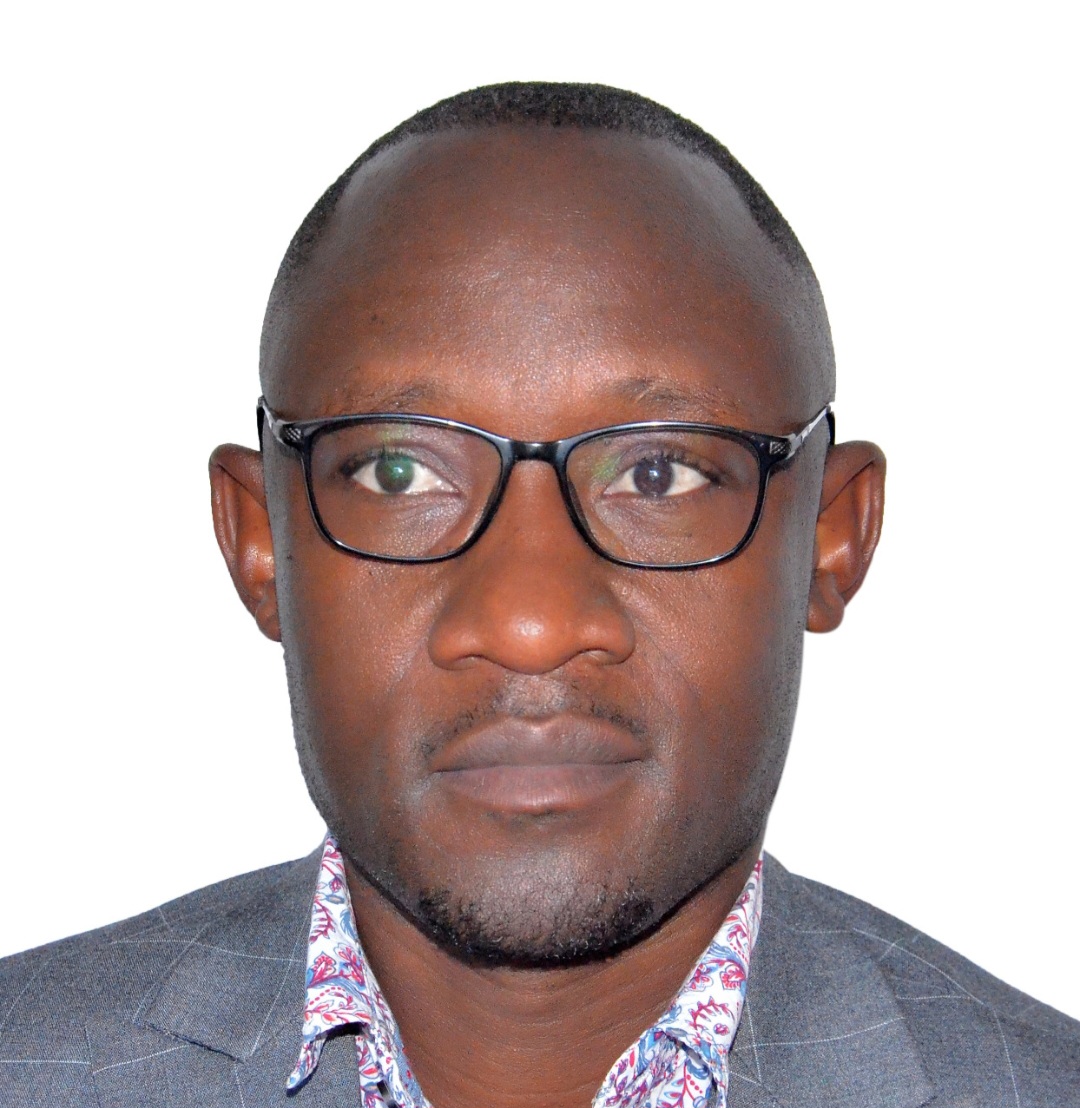
Ayub Mukisa, PhD
Executive Director, Karamoja Anti-Corruption Coalition (KACC)
Email: ayubmukisa@gmail.com
Do you have a story in your community or an opinion to share with us: Email us at Submit an Article