Kampala – Political activist and social commentator Frank Gashumba has alleged that Deputy Speaker of Parliament Thomas Tayebwa played a significant role in the rejection of Dr. Lawrence Muganga’s appointment as Minister of State for Internal Affairs, citing concerns surrounding the academic’s citizenship status.
Speaking during an appearance on NBS Television on Tuesday night, Gashumba claimed that members of the Banyarwanda community had initially celebrated President Yoweri Museveni’s decision to appoint Muganga to the sensitive docket, viewing it as recognition of a community that has long contributed to Uganda’s development.
However, Gashumba alleged that officials within the Ministry of Internal Affairs generated a report indicating that Muganga possessed three citizenships—Ugandan, Canadian, and Rwandan. According to him, Deputy Speaker Tayebwa referenced the report during discussions surrounding the appointment but did not make its contents public.
“Thomas Tayebwa of all people claimed he had a report from the Ministry of Internal Affairs,” Gashumba said, expressing frustration over the development.
He further suggested that the episode highlights broader challenges allegedly faced by members of the Banyarwanda community in accessing national documentation and opportunities in public service.
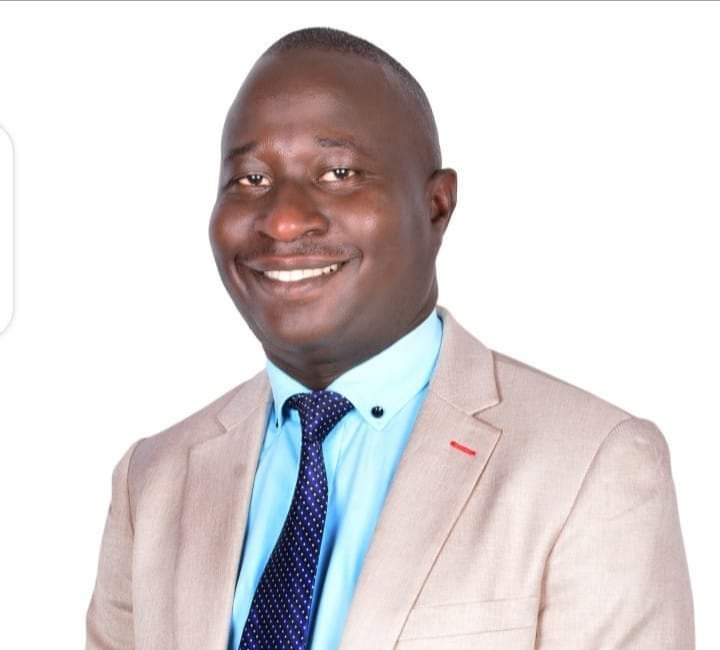
Dr. Muganga, who serves as Vice Chancellor of Victoria University Kampala, was among the notable appointees in President Museveni’s recent Cabinet reshuffle. Born and raised in Uganda, with roots in Mukono and Masaka districts, Muganga previously worked in Rwanda before relocating to Canada, where he pursued further studies, earned a PhD, and later acquired Canadian citizenship.
Following concerns raised during the vetting process, Muganga maintained that he held only Ugandan and Canadian citizenship. He reportedly communicated his intention to renounce his Canadian citizenship and informed the Ministry of Internal Affairs accordingly.
Nevertheless, Parliament’s Appointments Committee declined to approve his nomination after due diligence reportedly raised unresolved questions regarding his citizenship status and alleged links to Rwanda.
The controversy has generated intense public debate. While some observers view the committee’s actions as a legitimate exercise of parliamentary oversight, others argue that the scrutiny took on ethnic and political dimensions, particularly concerning perceptions of the Banyarwanda community.
Beyond the citizenship controversy, supporters of Muganga have pointed to what they describe as a missed opportunity for reform at the Ministry of Internal Affairs. Before his nomination was rejected, Muganga had reportedly outlined an ambitious vision to modernize the ministry through technology and digital innovation.
According to individuals familiar with his plans, Muganga intended to transform service delivery by leveraging digital systems to bring government services closer to ordinary citizens. His proposals reportedly focused on reducing bureaucracy, minimizing corruption, shortening processing times for critical documents, and enhancing accessibility for Ugandans across the country.
Areas expected to benefit from the proposed reforms included national identification services, immigration processes, passport applications, work permits, and other citizen-facing services under the ministry. The goal was to enable more Ugandans to access government services online, reducing the need for long-distance travel and lengthy queues at government offices.
Supporters argue that Muganga’s track record in higher education leadership and digital transformation positioned him as a potential reformer capable of accelerating Uganda’s digital government agenda.
Although his ministerial appointment did not proceed, many of his supporters maintain that the ideas he championed—particularly the digitization of public services and citizen-centered governance—remain relevant to Uganda’s ongoing efforts to modernize public administration.
Gashumba’s remarks have further intensified discussion around the transparency of the vetting process, the handling of citizenship matters in public appointments, and the influence of internal power dynamics within government institutions.
As of publication, neither Tayebwa nor the Ministry of Internal Affairs had publicly responded to Gashumba’s specific allegations.
The developments have left many observers wondering whether the digital transformation agenda Muganga advocated for will eventually be adopted by whoever assumes leadership of the ministry.
Watchdog Uganda will continue following developments surrounding the matter, including any official clarifications, legal processes, or potential future appointments involving Dr. Lawrence Muganga.
#LawrenceMuganga #FrankGashumba #ThomasTayebwa #UgandaPolitics #CabinetAppointments #DigitalTransformation #InternalAffairs #WatchdogUganda
Do you have a story in your community or an opinion to share with us: Email us at Submit an Article