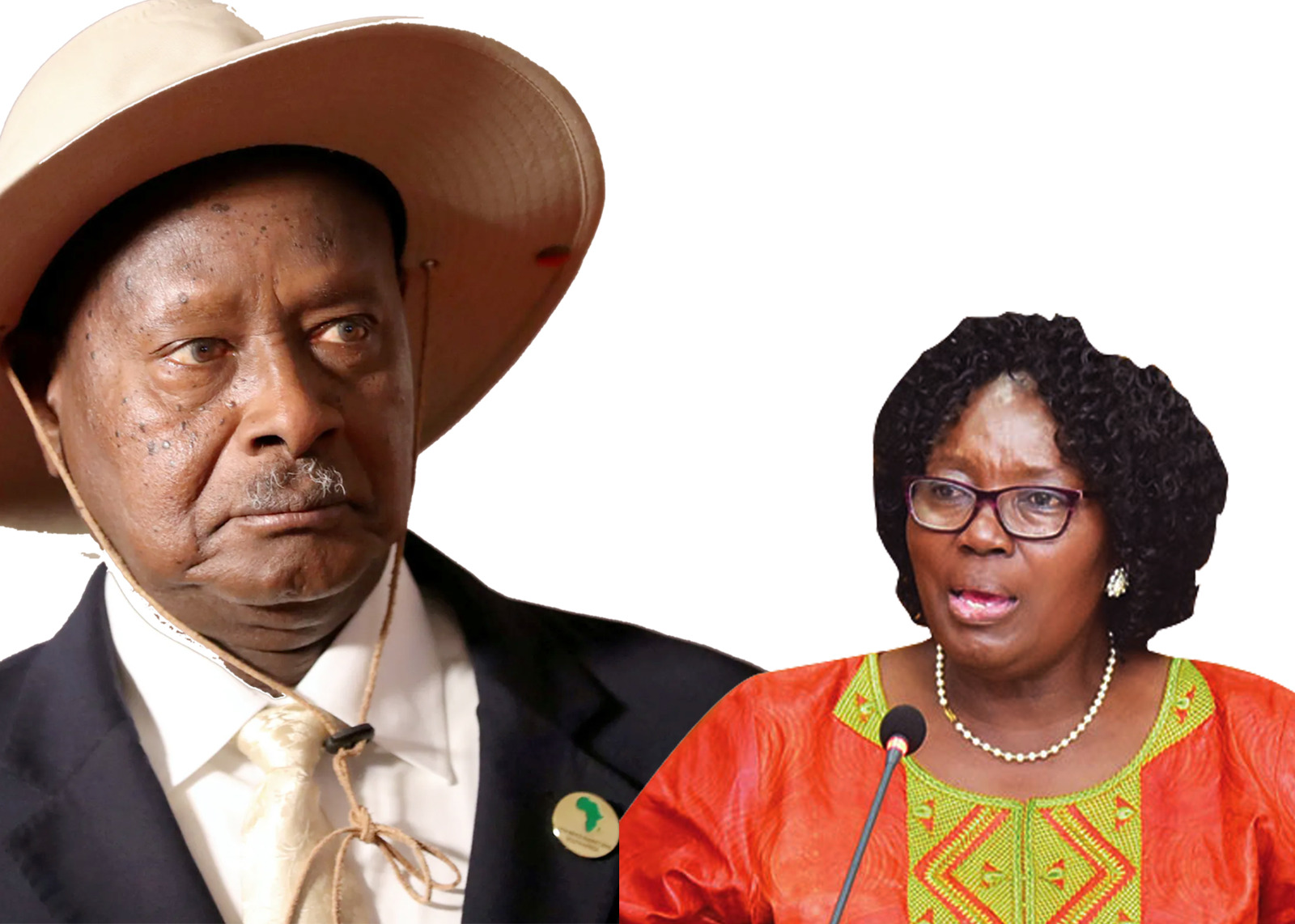
President Yoweri Museveni’s sharp rebuke to organisers of the Busoga leaders’ meeting in Iganga for sidelining senior party figures Rebecca Kadaga and Persis Namuganza was more than a moment of anger; it was a warning. A warning about a disease that has quietly but steadily eaten into the National Resistance Movement (NRM): unchecked egos, selective loyalty, and a growing tolerance for indiscipline disguised as “political reality.”
The contradiction is glaring. On the one hand, the NRM prides itself as a cadre-based, disciplined party guided by structures, ideology, and collective decision-making. On the other hand, the same party increasingly looks the other way when powerful individuals undermine its flag bearers, bankroll independents, or create parallel power centres that weaken official candidates. This hypocrisy is costing the party dearly.
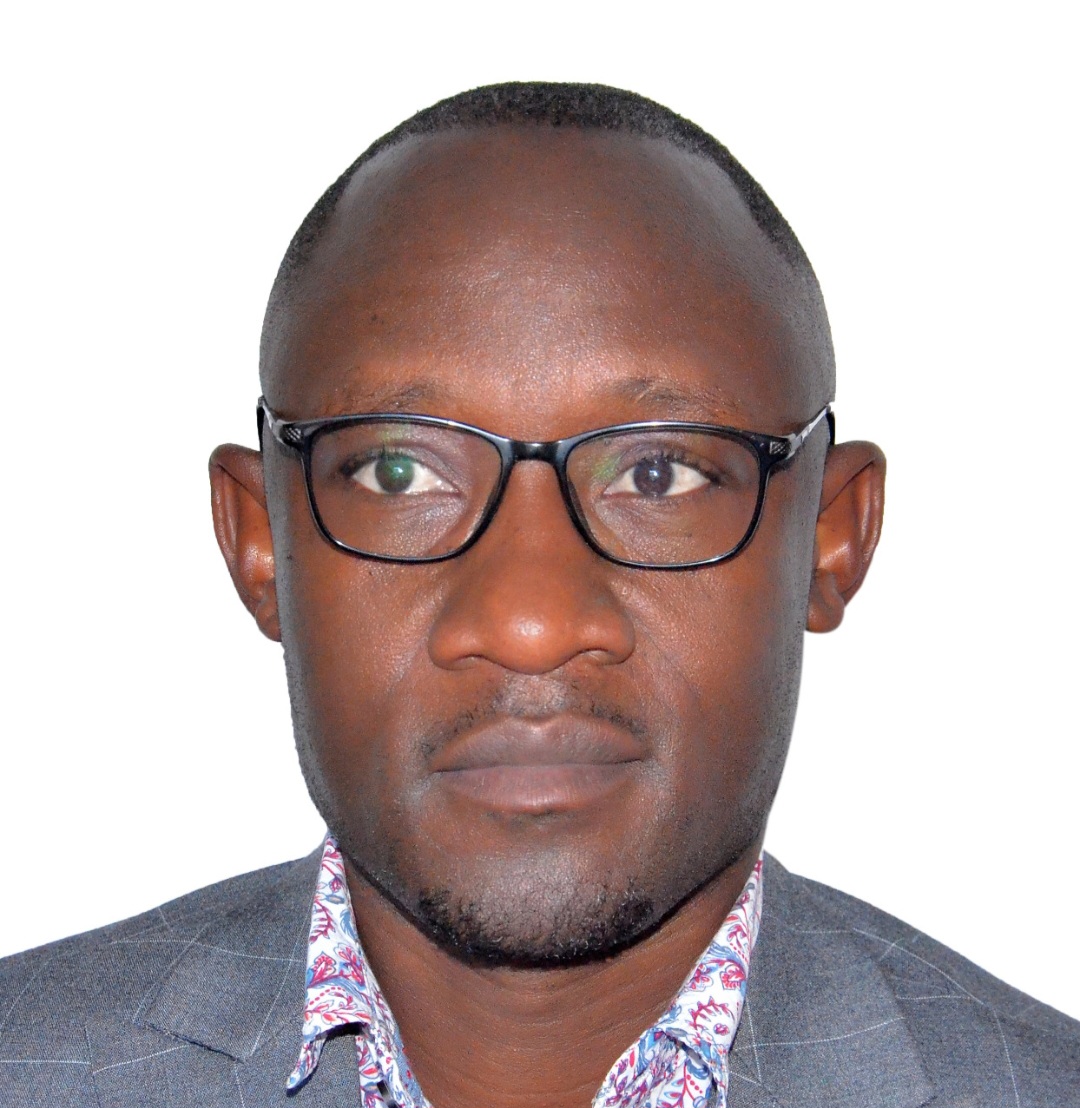
Nothing illustrates this better than the situation in Kassanda South. After party primaries produced Hajj Abdul Bisaso, a Kalamba-born businessman with grassroots appeal, organisational clarity, and legitimacy under party rules, an independent candidate, Eria Mubiru, emerged not as an ideological alternative but as a spoiler. Worse still, there are whispers—dangerous and corrosive—that some party bosses are either tolerating, quietly encouraging, or materially supporting this rebellion.
This is not political sophistication; it is political self-sabotage.
NRM’s own history teaches a painful lesson: independency after primaries fractures the vote, confuses supporters, demoralises cadres, and hands victory to opponents who may not even be stronger on the ground. When party elites ignore or support such indiscipline, they send a devastating message to supporters—that loyalty does not matter, rules are optional, and personal networks trump party institutions.
President Museveni was right to remind leaders that when elites quarrel, it is ordinary people who suffer. Divisions delay development, weaken representation, and entrench poverty at household level. In constituencies like Kassanda South, where development needs are urgent and political margins are thin, internal sabotage is not an abstract moral failure; it is a material injustice to voters.
The argument sometimes advanced—that independents “expand the party’s footprint” or hedge electoral risk—is intellectually dishonest. An independent running against a duly nominated NRM flag bearer is not expanding NRM’s influence; they are cannibalising it. Worse still, when such independents are seen to enjoy protection or support from within the party, it destroys morale and legitimacy. Why should future candidates respect primaries if betrayal carries no consequences?
The Iganga incident revealed another uncomfortable truth: seniority, respect, decorum, and protocol are selectively applied. When leaders feel entitled to decide who matters and who does not, the party begins to resemble a private club rather than a national movement. This culture of entitlement fuels factionalism and encourages political adventurism at the grassroots.
NRM’s strength has always rested on clarity: one party, one candidate, one direction. The moment party bosses blur that clarity—by funding independents, offering them silent cover, or failing to sanction them—they weaken the very foundations that sustained the party for decades.
If the NRM is serious about total victory come January 15, 2026, it must choose principle over convenience. Party leadership must speak with one voice, enforce discipline without fear or favour, and protect its flag bearers with the same energy it demands loyalty from them. Anything less is a disservice not only to candidates like Hajj Abdul Bisaso, but to the millions of supporters who still believe the NRM stands for order, unity, and purposeful leadership.
Ignoring indiscipline today is not neutrality; it is complicity. And complicity, in politics, always comes at a cost.
Do you have a story in your community or an opinion to share with us: Email us at Submit an Article