Uganda has just emerged from the 2026 general elections, and the nation is asking a familiar question: what role should religious leaders play in times of political tension? For some, Archbishop Stephen Samuel Kaziimba Mugalu should have spoken more forcefully about alleged electoral irregularities. But true prophetic witness is not measured by how loudly one condemns politicians—it is measured by moral clarity, courage, and the ability to guide the whole nation above partisan divides.
The Archbishop, who also chairs the Inter-Religious Council of Uganda, has been at the center of this debate. Critics argue he has not condemned alleged electoral irregularities forcefully enough. Yet this misses the larger point: the Church’s calling is to uphold truth and justice, not act as a political advocate.
Scripture shows that prophetic witness takes many forms. John the Baptist confronted Herod openly, even at great personal cost (Mark 6:17–29). Nathan spoke with wisdom and tact to King David, prompting repentance rather than revolt (2 Samuel 12:1–13). Both models demanded courage and integrity. Neither demanded uniformity of approach. Prophecy is measured by faithfulness, not volume.
Archbishop Kaziimba has consistently called for peace, unity, and respect for human dignity. He has urged citizens to act responsibly and security agencies to uphold the law. His leadership reflects Anglican ecclesiology: bishops are shepherds of the whole flock, not political partisans (Acts 20:28; 1 Peter 5:1–3; John 21:15–17).
Restraint is often mistaken for silence. Yet independence is not disengagement. When the Church becomes partisan, it risks losing the moral authority that allows it to speak credibly to all sides. Short-term applause cannot replace enduring influence.
Uganda’s history underscores the stakes. The late Archbishop Janani Luwum confronted grave injustice under the regime of Idi Amin and paid the ultimate price. His courage was rooted in conscience and obedience to God, not party politics. His witness reminds us that moral authority requires discernment as much as boldness.
The Church of Uganda’s 2026 theme, “Anchored in Christ for Unity, Stability, and Peace,” is a timely reminder. True civic leadership involves fostering reconciliation, promoting justice, and upholding human dignity — all while remaining above partisan divides. The Church strengthens the nation not by amplifying political noise, but by speaking truth with clarity, courage, and compassion.
In polarized times, the loudest voice is rarely the wisest. The pulpit’s integrity lies in its freedom: the freedom to call out violence, affirm justice, guide conscience, and comfort the vulnerable — without pledging allegiance to any party or political personality. That is prophetic witness.
Uganda does not need a Church that mirrors political divisions. It needs a Church anchored in moral clarity, able to inspire civic responsibility, and bold enough to speak truth without fear or favor. Archbishop Kaziimba exemplifies this path. His leadership demonstrates that fidelity to faith, rather than faction, stabilizes society, nurtures conscience, and preserves public trust.
In times when political passions run high, the Church’s role is not to escalate noise or mirror partisan divisions. Its calling is to rise above the fray, uphold enduring moral principles, and be a steady voice for peace, justice, and unity. That is the essence of prophetic witness in Uganda today — and why Archbishop Kaziimba’s measured leadership matters more than ever.
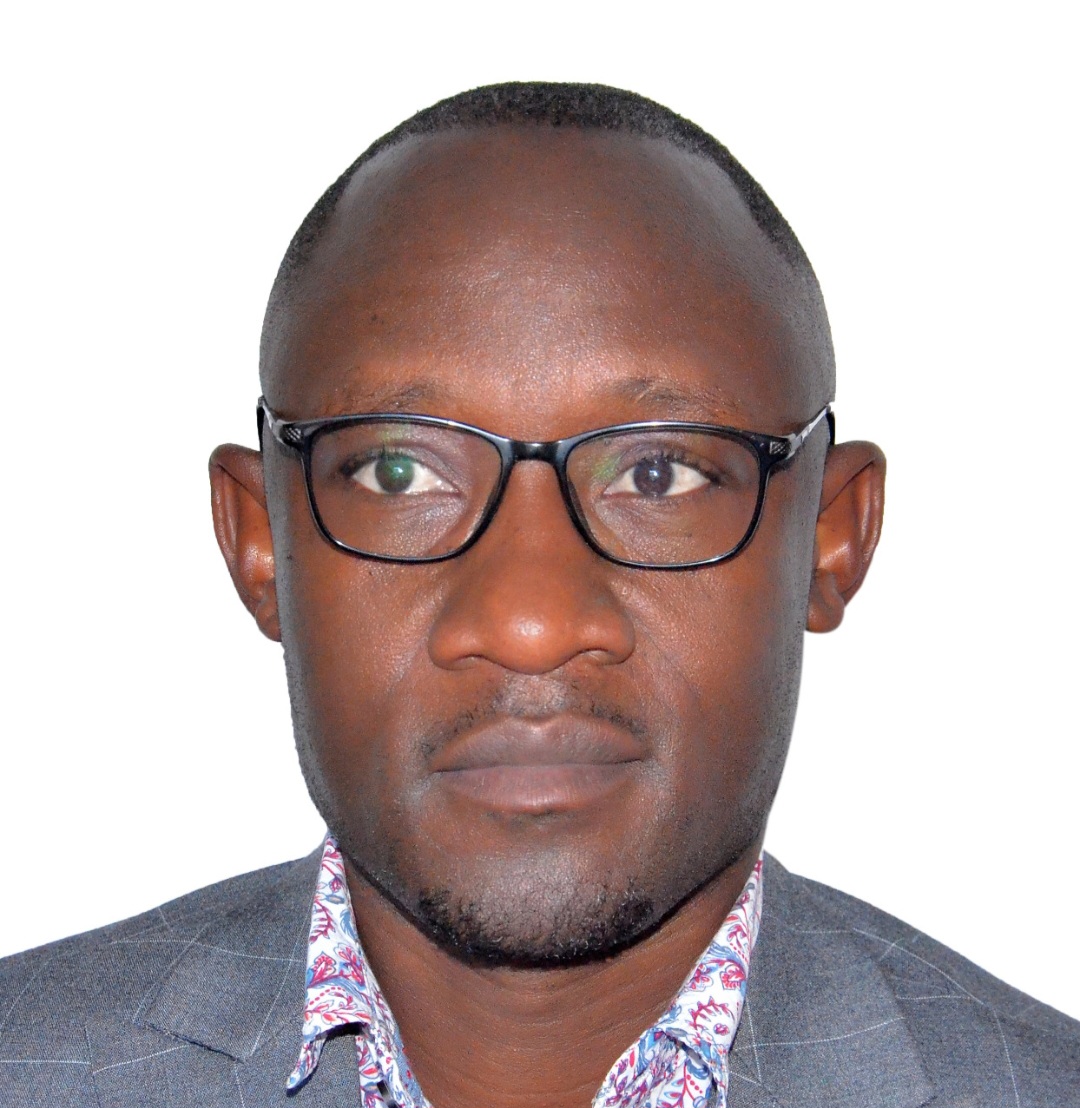
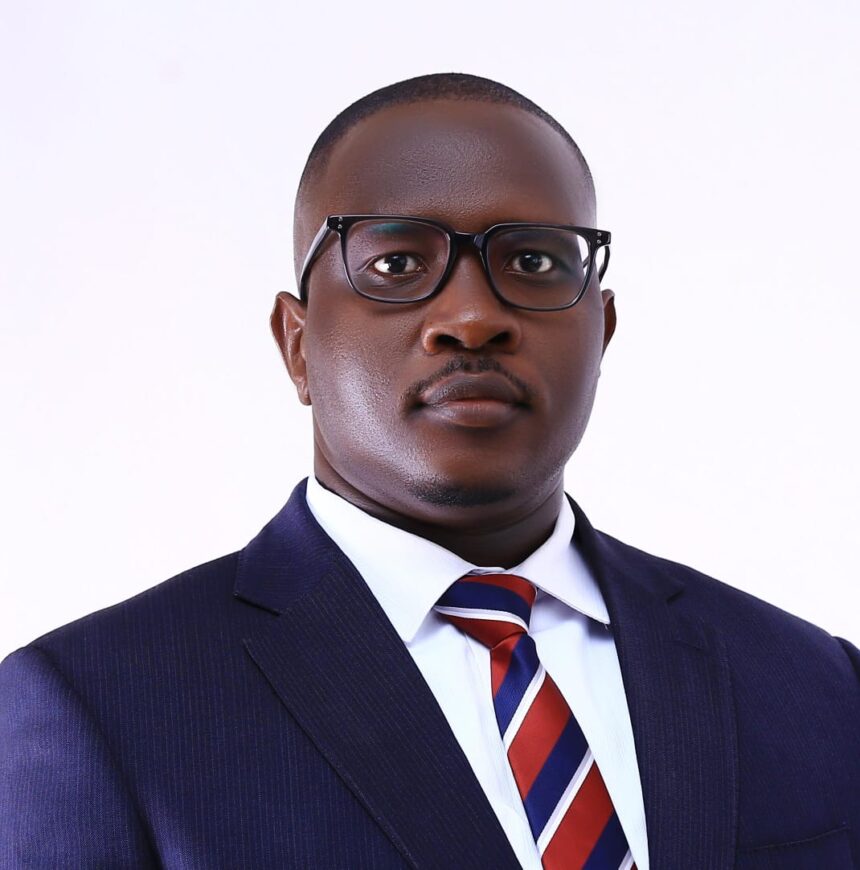
Jason Mugizi is a critic, an Anglican lay leader, and a parishioner in the_ Diocese of Kampala
Do you have a story in your community or an opinion to share with us: Email us at Submit an Article