Kampala, Uganda – December 27, 2025
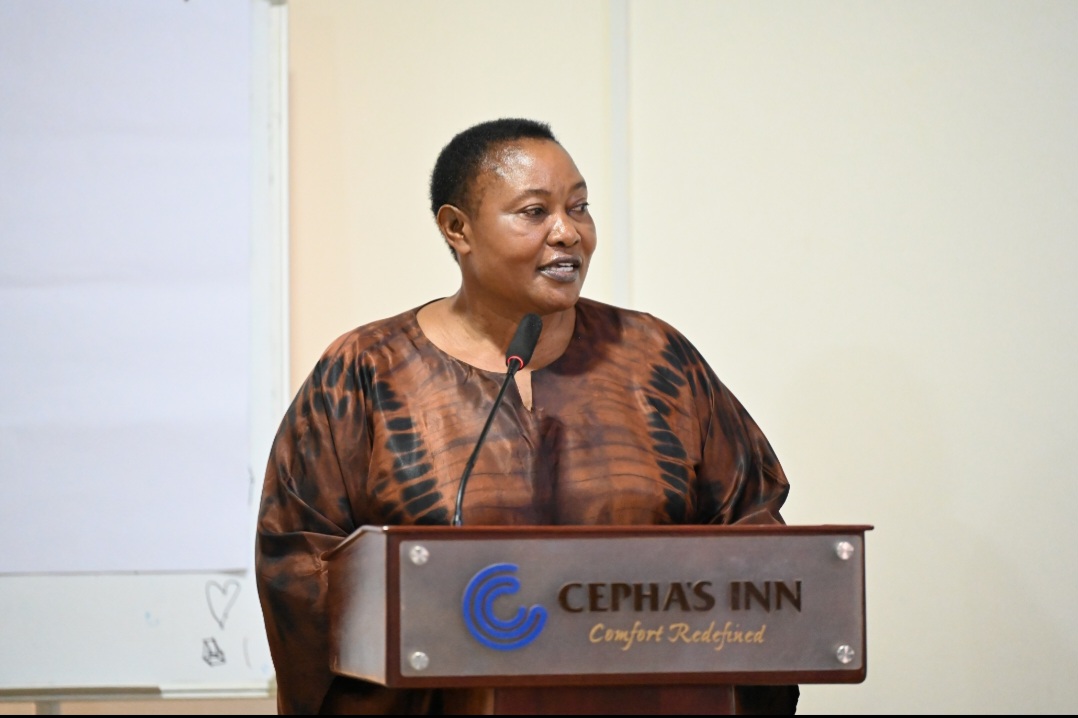
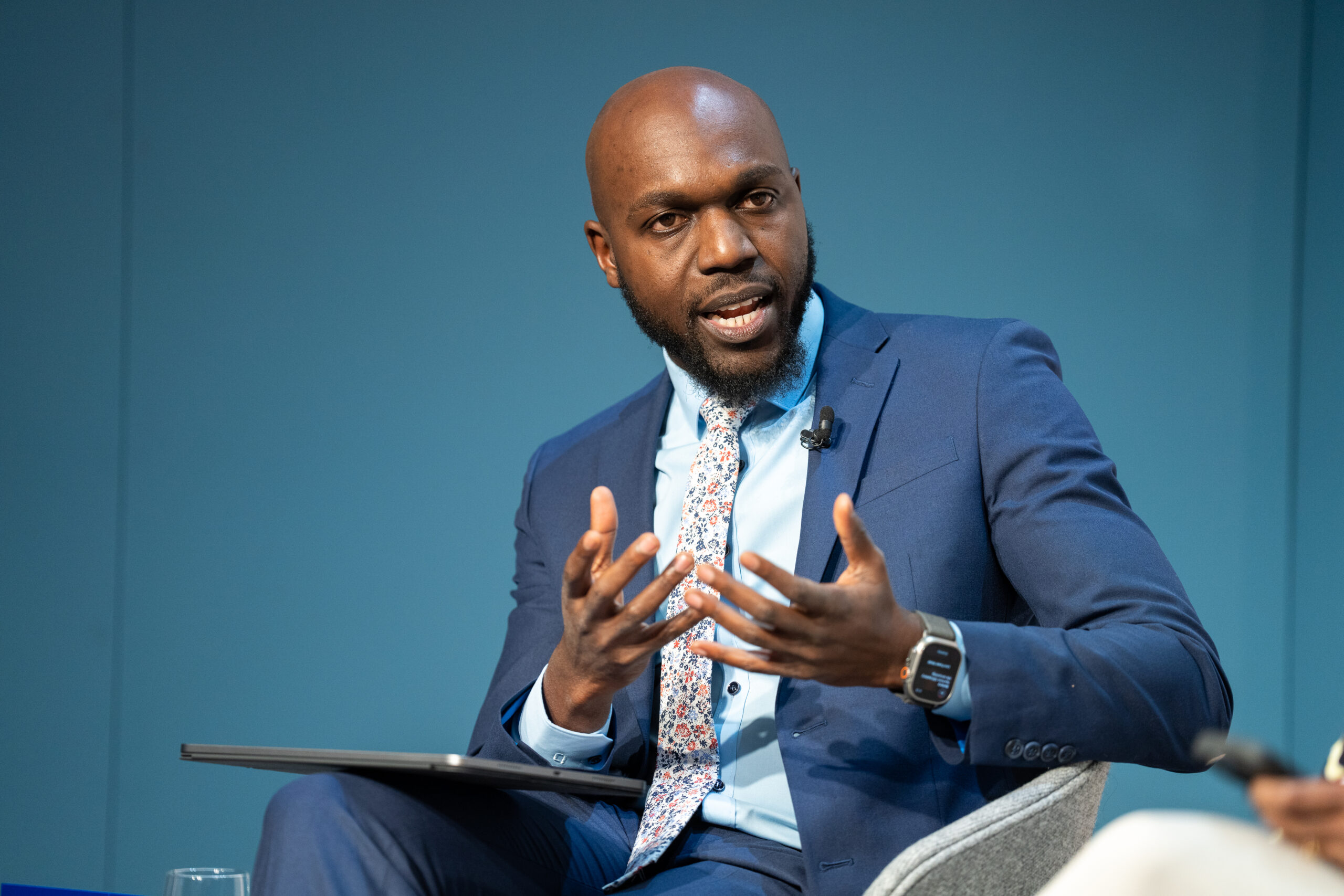
CNN International Correspondent Larry Madowo has robustly defended his coverage of Uganda’s pre-election events, emphasizing CNN’s commitment to balanced storytelling amid escalating accusations of bias. In a post on X on December 21, Madowo highlighted two promotional segments aired by CNN featuring Dr. Gladys Kalema-Zikusoka, Uganda’s pioneering wildlife veterinarian, whose conservation work at Bwindi Impenetrable Forest has been lauded for boosting mountain gorilla populations. He contrasted this positive coverage with reports on violence against opposition leader Bobi Wine, questioning why uplifting stories receive less attention: “We cover brutality against Bobi Wine, but also this. Why doesn’t it get the same attention?”
Larry Madowo’s defense comes as he faces intense backlash from supporters of President Yoweri Museveni’s National Resistance Movement (NRM), who accuse him of sensationalism and undermining Uganda’s image ahead of the January 2026 elections. Critics, including social media users and pro-government commentators, have labeled the Kenyan journalist a “mercenary” and claimed his reports fuel foreign agendas by focusing disproportionately on opposition narratives. This echoes similar controversies in Tanzania, where Madowo recently rejected allegations of being paid to expose post-election violence, insisting his journalism prioritizes facts over favoritism.
The uproar intensified following Madowo’s on-the-ground reporting from Bobi Wine’s rallies in Gulu and other areas earlier in December, where security forces used tear gas, water cannons, and live rounds against crowds, injuring supporters and media personnel. Madowo, wearing protective gear, described the tear gas as the “worst” in his career and drew parallels to Uganda’s history of election-related violence since Bobi Wine challenged Museveni’s long rule in 2021. Despite viral fake claims and videos suggesting Museveni had warned or barred Madowo from Uganda, the journalist entered the country to cover the campaigns, dismissing such narratives as misinformation.
Government former spokesperson Ofwono Opondo has called the coverage “foreign meddling,” while NRM loyalists, including journalist Mike Ssegawa, argue Madowo’s entertainment journalism background— from hosting Kenya’s The Trend—makes him ill-suited for nuanced political analysis, accusing him of selective focus on National Unity Platform (NUP) events. In contrast, Bobi Wine’s supporters hail Madowo for spotlighting human rights abuses, urging the regime to address issues rather than attack the messenger.
As tensions mount, this debate highlights the fraught role of international media in African elections, balancing accountability with perceptions of external interference. Watchdog Uganda will continue tracking these developments to ensure a comprehensive view of the 2026 polls.
Do you have a story in your community or an opinion to share with us: Email us at Submit an Article