While addressing NRM leaders from Busoga at Iganga Girls’ Secondary School on January 10, 2026, our visionary Chairman and Father of the Nation, Gen. Yoweri Kaguta Museveni, counselled us on the centrality of humility in leadership.
Using himself as an example, the President was very clear that he would not have led this country for as long as he has without humility. Upon deep reflection, I drew crucial lessons from his wise counsel. These lessons form the backbone of this article as I renew my call for reconciliation and honest cooperation among leaders from Busoga.
First and foremost, the President’s guidance was a reminder that leadership is a responsibility—not a privilege to be defended at all costs. As leaders, we must accept accountability for our individual actions and decisions. However, as the President rightly noted, accountability itself requires humility. It calls for the understanding that when citizens or colleagues point out areas needing improvement, such feedback should never be mistaken for hatred or personal vendetta. Accountability remains a cornerstone of good leadership and democratic practice.
An Eyesore We Must Address
What is increasingly evident in the Busoga sub-region is that political disagreements are being worsened by a refusal to take responsibility and, in some cases, by outright denial of reality—even when one’s conscience quietly acknowledges fault. I wish to remind my brothers and sisters in service that these endless squabbles are not only unnecessary; they are harmful.
As the President warned us in Iganga, quarrels among leaders distract from service delivery, deepen divisions, and ultimately punish the electorate—especially the poor—who look to leaders for solutions.
It was against this background that last week I called for sincere soul-searching and reconciliation among all Busoga political players as a way of healing wounds caused by the omissions, commissions, and misgivings of the recent electoral cycle. For those who read my article or listened to my subsequent radio address, my remarks were deliberately generic and aimed at the collective good of the region, not at individuals.
Unfortunately, despite this intention, I received reports of personal concerns directed at me. Be that as it may, I wish to reiterate that my remarks were made purely in the spirit of reconciliation. That is also why I will not revisit those concerns here, having already addressed them in discussions with my brothers and sisters back home in Busoga.
As I said then, bakagwa, our region deserves better than endless exchanges of accusations. It deserves healing, maturity, and forward-looking leadership.
A Call for Humility in Service
Guided by the President’s message, I wish to emphasize the importance of humility and honesty in public service. In my humble view, these values must go hand in hand with respect for authority and loyalty in the execution of duty. As leaders and public servants, we must constantly remind ourselves why we occupy the offices we hold: we are there to serve.
In the public service context, our “bosses” are not imaginary. They include the appointing authority, our immediate supervisors, and ultimately the citizens of Uganda. It is therefore wrong for anyone entrusted with leadership to behave as though executing official duties is a personal favour to those they serve. Such thinking reflects confusion about one’s mandate and reveals an unhealthy sense of pride that undermines teamwork and institutional harmony.
Public service is not a stage for personal competition or self-promotion. Take, for example, a personal assistant, aide, or research officer hired to support a supervisor. Drafting a speech or conducting research is neither an act of generosity nor an indication that the supervisor lacks capacity. It is simply an organisational flow of work—strategic direction at one level, technical support at another. That is how institutions function.
A good worker therefore views their role as a privilege and an honour to serve the nation, not as an opportunity to outshine or undermine colleagues. The sobering reality is that one’s relevance in office often does not outlast the tenure of the supervisor one serves. Wisdom lies in serving diligently, respectfully, and without entitlement.
The journalistic principle that “it is only newsworthy when a man bites a dog, and not when a dog bites a man” captures this well. Honest and hardworking leaders deserve appreciation for a job well done, but they do not demand special credit simply for fulfilling their job descriptions.
Taking the President’s Example
As Busoga navigates the post-election period, reconciliation and humility among leaders are not optional—they are urgent necessities. Unity of purpose, mutual respect, and accountability are the foundations upon which effective service delivery is built. Our people deserve leaders who rise above ego and rivalry; leaders who listen, reflect, reconcile, and act in the common interest.
Only then can Busoga—and Uganda as a whole—move forward with confidence, stability, and shared progress. The solution is simple: let us emulate the humility of our dear President, together with the First Lady and Minister of Education, Janet Kataaha Museveni. With all the reverence accorded to them, they were humble enough to apologise to the country last May and ask for forgiveness. That act of humility translated into a landslide victory, including in areas that had overwhelmingly supported the opposition in the previous election.
Their courageous action signified true acceptance of accountability. It is this same resilience and humility that we must deploy in Busoga to attain lasting unity for regional and national development.
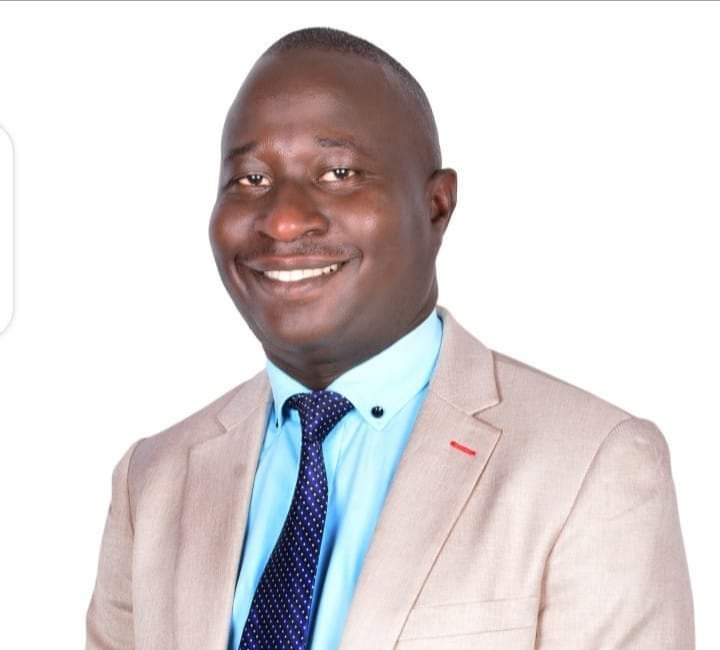
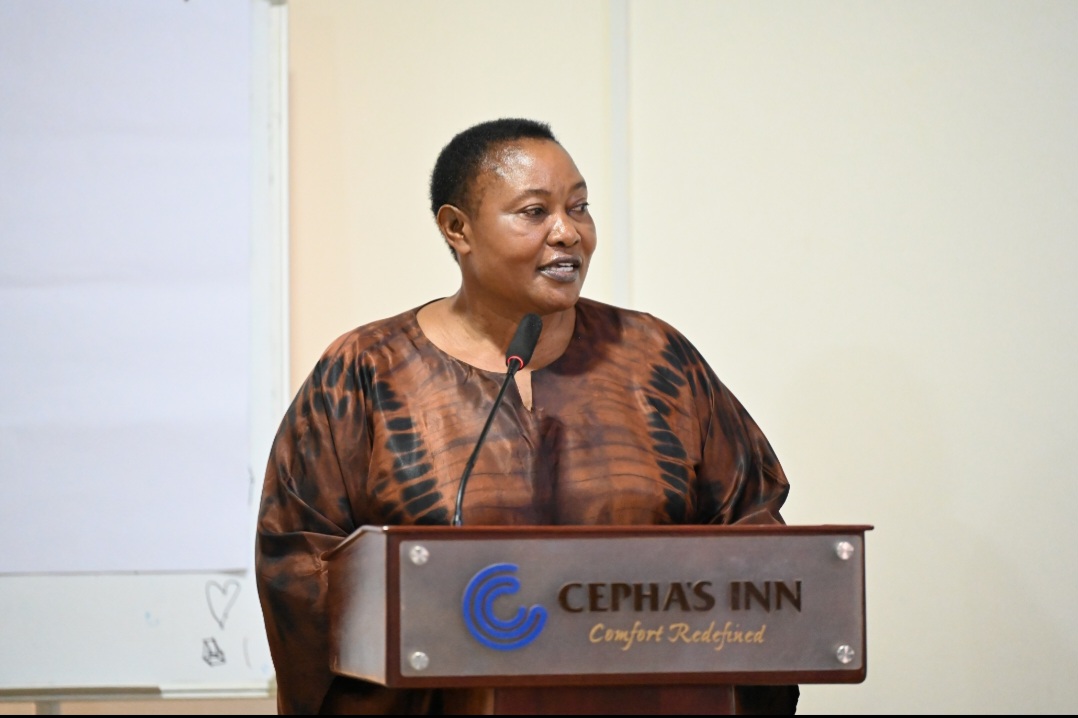
The author is the Minister for the Presidency and MP-Elect for Budiope West constituency.
Do you have a story in your community or an opinion to share with us: Email us at Submit an Article