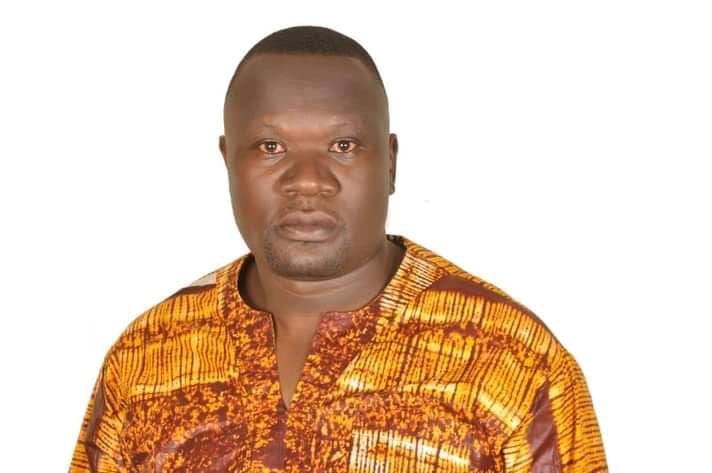
In recent weeks, Uganda has witnessed renewed attempts by some opposition leaders to initiate dialogue with President Yoweri Museveni and the government, spearheaded by the Inter-Religious Council and Professor Yusuf Nsibambi. Nsibambi, a respected former Makerere University don and current Forum for Democratic Change (FDC) whip, has defended these engagements, noting that many key opposition figures have joined him in meetings with the President. He argues that dialogue is not betrayal but a necessary step in a political environment where the opposition has grown weaker with each election cycle, while the National Resistance Movement (NRM) has consolidated its strength.
The debate sparked by these meetings is intense. Some critics accuse Nsibambi of “going to bed” with the very system he has opposed for decades. Yet, history teaches us that dialogue, even between adversaries, has often been the bridge to peace and progress. From South Africa’s transition from apartheid through negotiations between the African National Congress and the ruling National Party, to the Good Friday Agreement in Northern Ireland that ended decades of sectarian conflict, dialogue has proven to be a powerful tool for reconciliation and nation-building. Uganda, too, stands to benefit from such engagements if they are pursued in good faith and with the national interest at heart.
Nsibambi’s reasoning is pragmatic. He points out that the opposition’s inability to mount a formidable challenge to the NRM has left many Ugandans disillusioned. Instead of perpetuating endless cycles of confrontation, dialogue offers a chance to redefine the political landscape. It provides an opportunity for opposition leaders to influence policy, advocate for reforms, and ensure that their constituencies are not left voiceless. In his words, “the country needs honest dialogue” to move forward.
Uganda’s political history is replete with examples of opposition figures who have crossed into government service, not as sellouts, but as contributors to a common purpose. Norbert Mao, once a fierce critic of the NRM, now serves as Minister of Justice and Constitutional Affairs. Anita Among, initially aligned with the opposition, rose to become Speaker of Parliament. Her deputy, Thomas Tayebwa, and Beatrice Anywar, once known as “Mama Mabira” for her environmental activism, have also joined government ranks. These transitions illustrate that political identity in Uganda is not static; it evolves with the demands of national service and the pursuit of stability.
Critics may argue that such moves dilute opposition strength, but they also demonstrate that Uganda’s political system allows for inclusivity. By engaging with the government, opposition leaders can ensure that their voices contribute to shaping policy rather than being relegated to perpetual dissent. This inclusivity is vital as Uganda focuses on its ambitious agenda of wealth creation, mass production, and economic transformation. Political bottlenecks, if left unresolved, risk stalling these efforts. Dialogue, therefore, is not just a political necessity but an economic imperative.
Globally, dialogue has been the cornerstone of peace and progress. The Camp David Accords between Egypt and Israel in 1978, brokered by the United States, ended decades of hostility and paved the way for cooperation. In Colombia, negotiations between the government and FARC rebels brought an end to one of the longest-running conflicts in Latin America. These examples underscore that dialogue is not weakness; it is wisdom. It is the recognition that nations are built not on perpetual conflict but on compromise, understanding, and shared vision.
Uganda’s opposition, weakened by internal divisions and electoral defeats, must recognize that dialogue is a chance to remain relevant. Nsibambi’s initiative, supported by the Inter-Religious Council, is a call to rethink strategy. It is not about abandoning principles but about finding new ways to advance them. By sitting at the table with Museveni, opposition leaders can press for electoral reforms, human rights protections, and economic policies that benefit all Ugandans. They can ensure that the future of Uganda is modeled collectively, rather than dictated by one side alone.
The skepticism surrounding these engagements is understandable. Uganda’s political history has often seen dialogue used as a tactic to weaken opposition resolve. Yet, dismissing dialogue outright is shortsighted. The challenge lies in ensuring that such engagements are transparent, inclusive, and focused on national interests rather than personal gain. Civil society, religious leaders, and the media must play a role in holding both government and opposition accountable to the promises made at the dialogue table.
As Uganda charts its path toward economic transformation, dialogue must be embraced as a tool for unity. The country’s focus on industrialization, wealth creation, and modernization requires political stability. Investors, entrepreneurs, and ordinary citizens alike thrive in environments where political disputes are resolved through conversation rather than confrontation. Dialogue reduces uncertainty, fosters trust, and creates the conditions necessary for sustainable development.
Professor Nsibambi’s courage to lead these engagements should be commended, not condemned. He represents a generation of leaders who understand that politics is not about perpetual resistance but about finding solutions. His initiative is a reminder that Uganda’s future cannot be built on division. It must be built on dialogue, compromise, and shared vision.
In the end, dialogue is not about surrendering to the NRM or betraying opposition ideals. It is about recognizing that Uganda belongs to all Ugandans, regardless of political affiliation. It is about ensuring that every voice contributes to the nation’s destiny. As the country moves forward, let us embrace dialogue as the pathway to peace, prosperity, and unity. Uganda deserves nothing less.
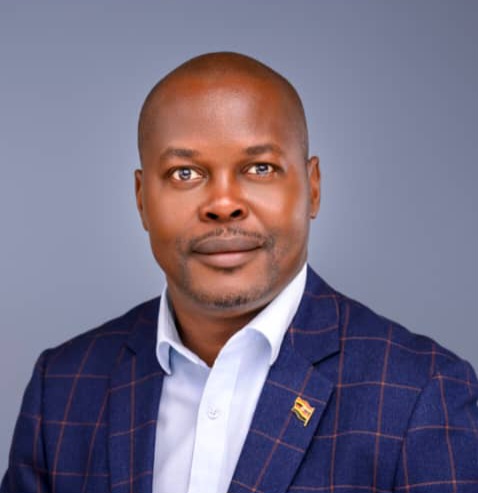
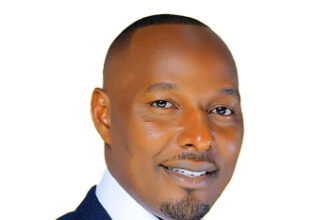
The writer is The Deputy Resident City Commissioner for Nakawa Division.
Do you have a story in your community or an opinion to share with us: Email us at Submit an Article