
By Titus Kakembo
Kampala’s food scene is redefining urban hospitality with bold local tastes that are influenced globally. Today, visiting chefs, displaced refugees, tourists and food lovers are discovering a culinary landscape where tradition meets innovation. This happens as every neighbourhood narrates its own story through emere (food). This happens in bustling street corners, markets and stylish eateries in Wandegeya, Kololo, Bugolobi, Nakasero, Kitante or Ntinda.
Food is not just about eating; it is about community, sampling, affordability and creativity. In the central business district and surrounding suburbs, vendors serve steaming plates of Katogo at dawn. Chapati, Rolex and fresh juice dominate snacking and lunchtime wolfing crowds. These popular street foods remain the backbone of the city’s daily diet, offering quick, filling and affordable meals to workers, students and adventurous travellers. The price tag is between sh1000 and sh5000.
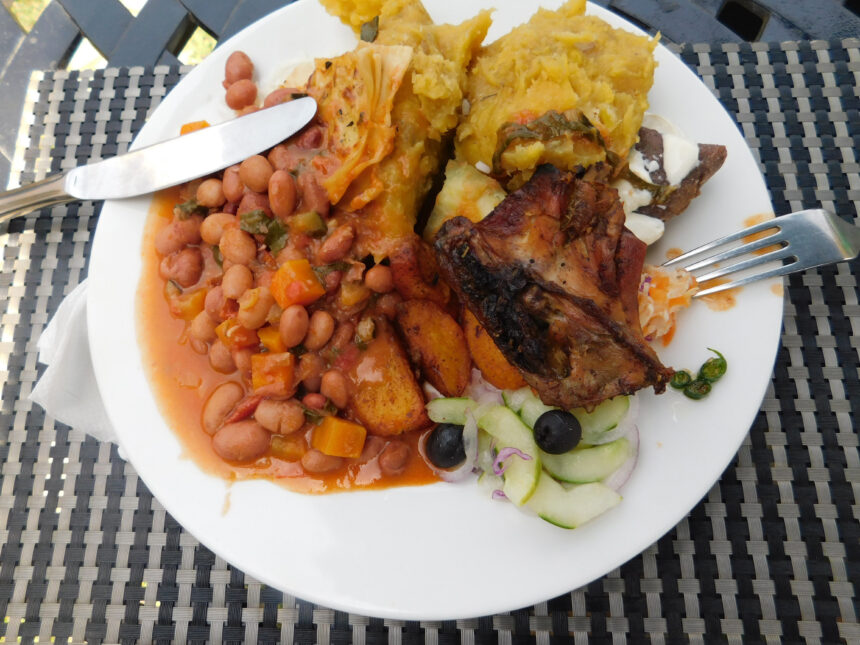
Beyond the streets are Kampala’s plush restaurant culture, which is spreading fast. A new generation of chefs is reimagining local ingredients, presenting matooke, groundnut stew, smoked fish and millet bread in modern style BBQ without losing their traditional identity. These delicacies are served in Sheraton, Speke Resort Munyonyo and Serena Hotels where restaurants now experiment with steamed matooke (bananas) served with slow-cooked beef, tilapia prepared with groundnut sauces and fusion dishes that blend Ugandan staples with continental techniques.
Asian, Italian and British immigrant and regional communities are also playing a major role in shaping the city’s menu. Indian curries, Swahili pilau, Somali rice dishes and Ethiopian Injera are now part of Kampala’s everyday food map. In areas such as Kabalagala, Kansanga and Old Kampala, restaurants offer richly spiced meals and piping hot tea/coffee that reflect decades of cultural exchange. These flavours are blending naturally into Kampala’s identity, making the city one of East Africa’s most diverse food destinations.
Markets remain at the heart of this culinary transformation. Places like Nakasero, St Balikudembe and Shauri Yako supply chefs and home cooks with fresh produce, spices, meats and fruits sourced from across the country. From pineapples and passion fruits to fresh greens and fresh fish, the availability of ingredients supports both traditional cooking and experimental cuisine. Chef Reagan Kawuki designs menus based on what is freshest in the market that morning.
Social media is also turning eating into entertainment. Food bloggers, influencers and short video platforms now spotlight new restaurants, street food joints and home-based kitchens. Simple stalls selling grilled chicken or pork skewers are fast becoming famous overnight, attracting long queues and delivery orders. This exposure is encouraging young entrepreneurs to invest in food businesses, from juice bars, salad bars and dessert shops to mobile food trucks.
Despite the growth of fine dining spaces like CJ, KFC, Kembabazi and Baguma, affordability remains a defining feature of Kampala’s food culture. A person can enjoy a filling meal for just a few thousand shillings or choose an upscale dining experience in hotels and rooftop restaurants. This wide price range is giving diners from different income levels to participate in the city’s food economy, keeping it inclusive and vibrant.
Night-time dining is now part of Kampala’s charm. After sunset, food joints light up trading centres, with grills smoking late into the night and cafés staying open for football fans, music lovers, club fans and social groups. Eating out is often tied to socialising, business discussions and family gatherings. They are making restaurants important social spaces, not just commercial ones.
Challenges remain, especially around food safety, hygiene and rising prices of ingredients. Kampala City Authorities continue to emphasize standards for vendors and restaurants, while traders struggle with inflation and supply fluctuations. However, the steady demand for diverse and convenient meals continues to drive innovation and resilience among food entrepreneurs.
Ultimately, eating in Kampala reflects the city itself: energetic, diverse and constantly evolving. It is a city where heritage recipes share space with modern culinary trends, and food is connecting people across cultures and neighbourhoods. Whether on a roadside stool or in a five-star, stylish dining room, every plate tells a story of a city that celebrates flavour, creativity and community.
Do you have a story in your community or an opinion to share with us: Email us at Submit an Article