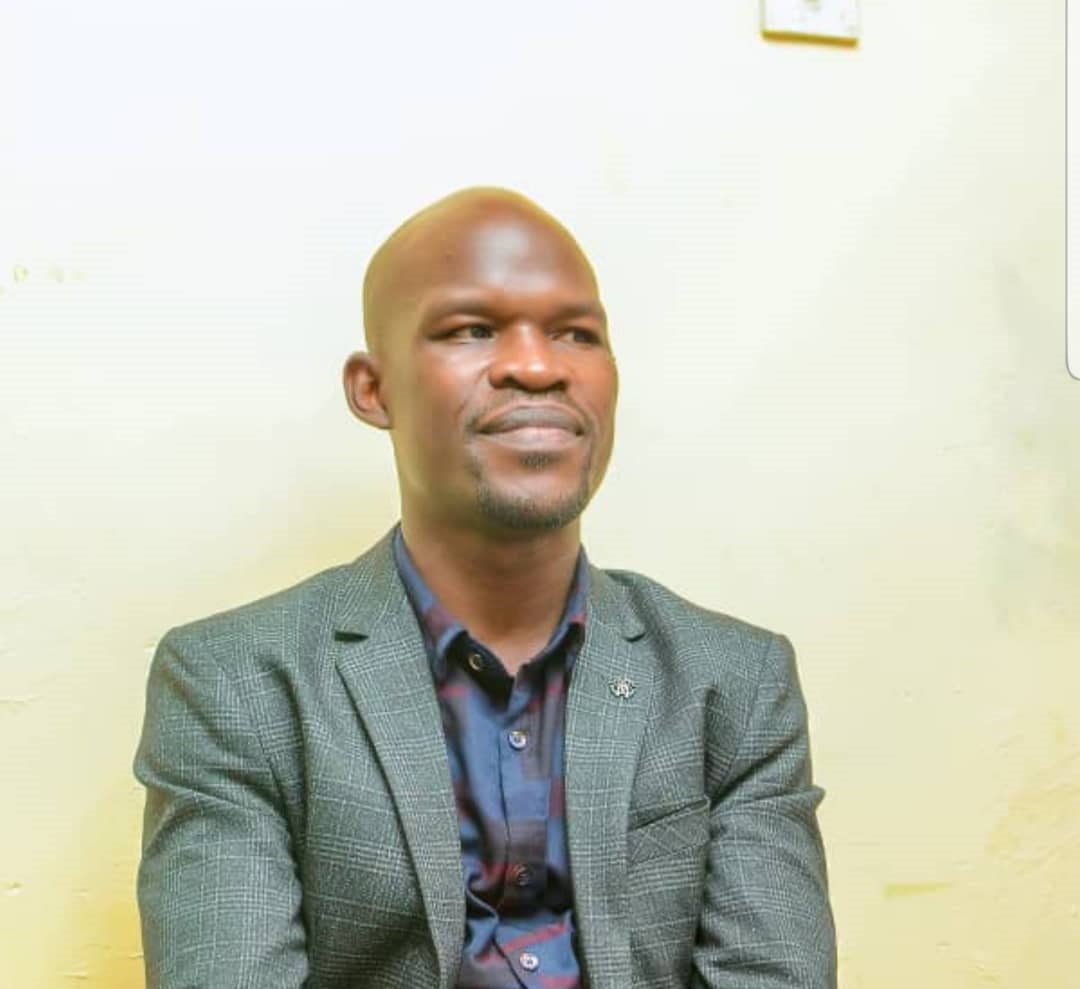

KAMULI, Uganda — Moses Bigirwa, a defeated parliamentary aspirant for Kamuli Municipality, has blamed his loss in the just-concluded elections on what he claims was the use of witchcraft by his political rivals, saying the alleged practices psychologically weakened his support base.
Speaking to Kwezi Robinson on Kewaza Media Channel, Bigirwa alleged that his opponents deployed traditional medicine men to influence voters’ thinking and tilt the electoral outcome in their favour. He said the alleged activities went beyond local practitioners, claiming that witchdoctors were sourced from as far as Tanzania to interfere with the mindset of voters in Kamuli.
According to Bigirwa, members of his own campaign team repeatedly urged him to counter the alleged moves by deploying witchcraft as well, but he refused on principle. He said that while he rejected the idea, the constant talk of supernatural interference unsettled his supporters and affected morale on the ground.
“My team kept telling me to also use witchcraft, but I resisted,” Bigirwa said during the interview. “However, the issue psychologically affected my supporters. They felt overpowered and intimidated.”
Bigirwa further alleged that his rivals’ agents used traditional means to influence voters through everyday activities, including food consumption, claiming that some supporters believed witchcraft had been placed in food eaten by residents during the campaign period.
While acknowledging that elections are ultimately decided by voters, Bigirwa insisted that belief in supernatural influence remains strong in many communities and can shape political behaviour, especially when fear and rumours spread unchecked.
“People may dismiss it, but on the ground these things matter,” he said. “Once voters believe their minds are being engineered, it changes how they think and act.”
Political analysts note that claims of witchcraft and supernatural interference are not uncommon in Ugandan politics, particularly in closely contested races, where candidates struggle to explain unexpected defeats. Such allegations, however, are difficult to verify and often reflect deeper issues such as weak mobilisation, limited resources, or shifting voter loyalties.
Neither the Electoral Commission nor Bigirwa’s named rivals have responded to the allegations. The Commission has previously maintained that elections are conducted under established legal frameworks and that disputes should be addressed through formal petitions and evidence-based complaints.
Bigirwa has not indicated whether he plans to challenge the Kamuli Municipality results in court, but said his immediate focus is on engaging supporters and reflecting on lessons from the campaign.
Do you have a story in your community or an opinion to share with us: Email us at Submit an Article