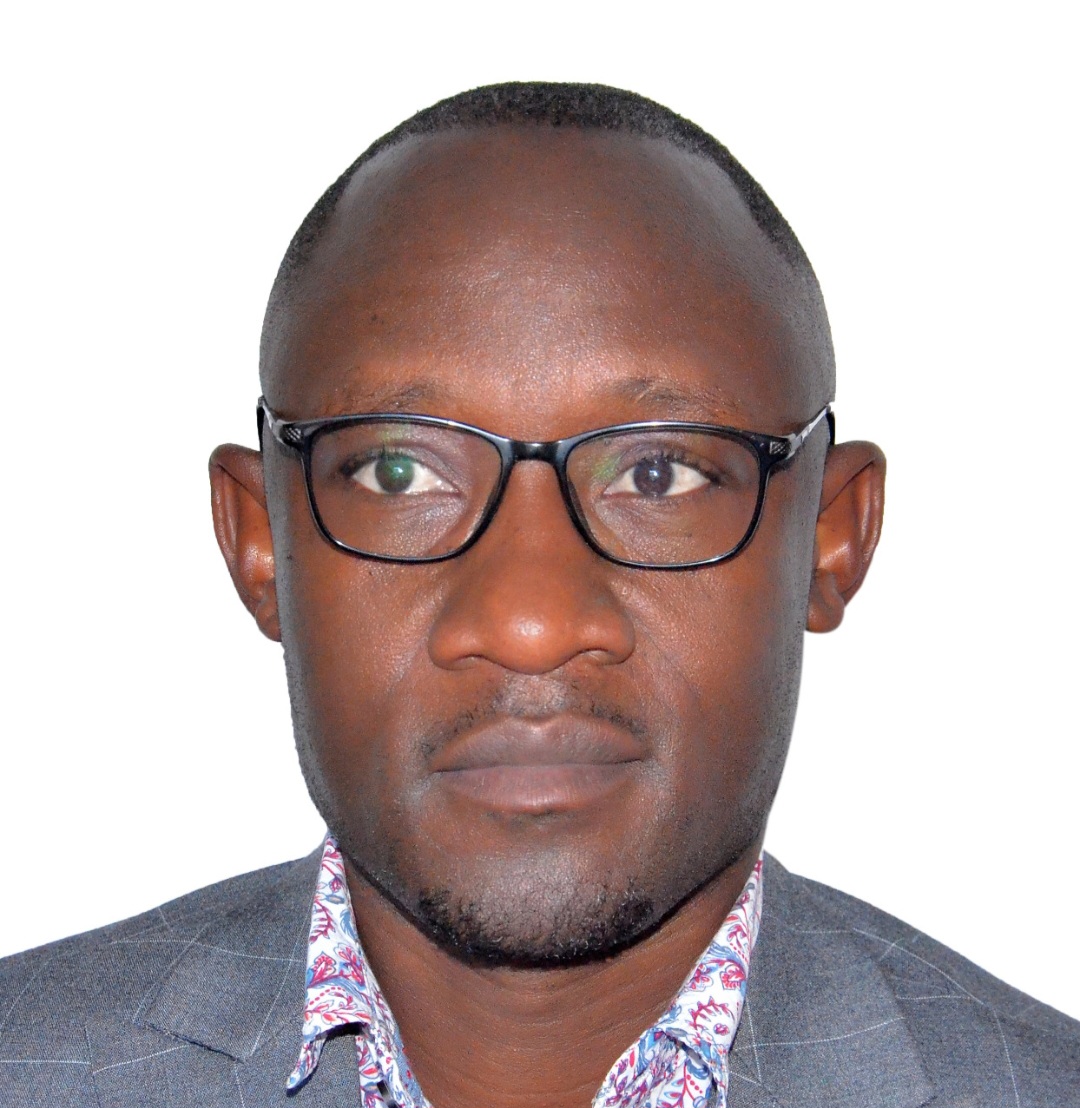

KAMPALA, UGANDA — Uganda’s wealth landscape was thrust into fresh debate in January 2026 after Bossip Africa released its inaugural Billionaires Index, ranking Hamis Kiggundu as the richest individual in the country with an estimated net worth of US$1.3 billion.
The ranking marked a significant shift in the country’s billionaire hierarchy and triggered a wave of updates from other publications in February, many of which revised their own wealth lists following the January release.
What Is the Bossip Africa Billionaires Index?
Launched in January 2026, the Bossip Africa Billionaires Index is an editorial ranking designed to track Africa’s wealthiest individuals. The platform positions the Index as a model tailored to African economies, where the majority of major fortunes are tied to privately held enterprises rather than publicly traded companies.
Unlike global wealth trackers that can rely on stock exchange filings and partial corporate disclosures, the Index uses an asset-based valuation approach that includes:
Estimated commercial real estate holdings
Industrial and agro-processing investments
Infrastructure-linked developments
Enterprise expansion and sector influence
Comparative market modeling
Editors behind the Index have acknowledged that the figures are estimates derived from observable assets, sector performance data, and economic analysis — not audited financial disclosures or confirmed personal balance sheets.
Why Kiggundu Ranked First
Kiggundu’s placement at the top of the 2026 list was largely attributed to the scale and diversification of his business interests under the Ham Group of Companies.
According to the Index’s methodology, key factors influencing the valuation included:
Extensive commercial property developments in Kampala
Ongoing large-scale infrastructure and industrial projects
Asset appreciation driven by urban growth
Expansion into manufacturing, logistics and agro-processing
Analysts note that Kampala’s commercial real estate market has seen sustained expansion over the past year, significantly impacting property valuations and enterprise worth.
The January ranking placed Kiggundu ahead of long-established magnates such as Sudhir Ruparelia, signaling what some observers describe as a shift from traditional portfolio-based wealth toward asset-heavy operational empires.
February Revisions Across Media
The release of the January Index quickly influenced Uganda’s business reporting landscape. By February 2026, several Ugandan and regional publications updated their billionaire and wealth power rankings.
While methodologies differed, many maintained Kiggundu at number one, reflecting similar valuation approaches centered on private asset estimation rather than public financial disclosure.
The sequence of updates reinforced the January ranking as a defining reference point in the country’s 2026 wealth narrative.
Transparency and Valuation Debate
The ranking has also revived debate over how wealth should be measured in economies dominated by private ownership. Without mandatory public disclosures, billionaire estimates in Uganda depend heavily on inferred asset values, comparative industry data, and macroeconomic trends.
Business analysts caution that such rankings remain approximations. Supporters argue that asset-based valuation models are often the only viable method in markets where formal disclosures are limited.
A Shift in Uganda’s Economic Order
Beyond the headline figure, the 2026 ranking reflects a broader transformation in Uganda’s private sector. Entrepreneurs whose fortunes are deeply rooted in commercial property, industrial expansion and infrastructure development are increasingly shaping the country’s wealth hierarchy.
Whether future disclosures confirm or adjust these estimates remains to be seen.
For now, however, the Bossip Africa Billionaires Index and the February revisions that followed have firmly positioned Hamis Kiggundu at the top of Uganda’s billionaire list in 2026.
Do you have a story in your community or an opinion to share with us: Email us at Submit an Article