
CEHURD Tasks Ugandan Journalists to Embrace Investigative Health Reporting in Digital Era
By Brian Mugenyi
Jinja
More than 30 Ugandan journalists have been urged to embrace investigative reporting, technology, and digital innovation to remain relevant in Africa’s rapidly evolving media industry.
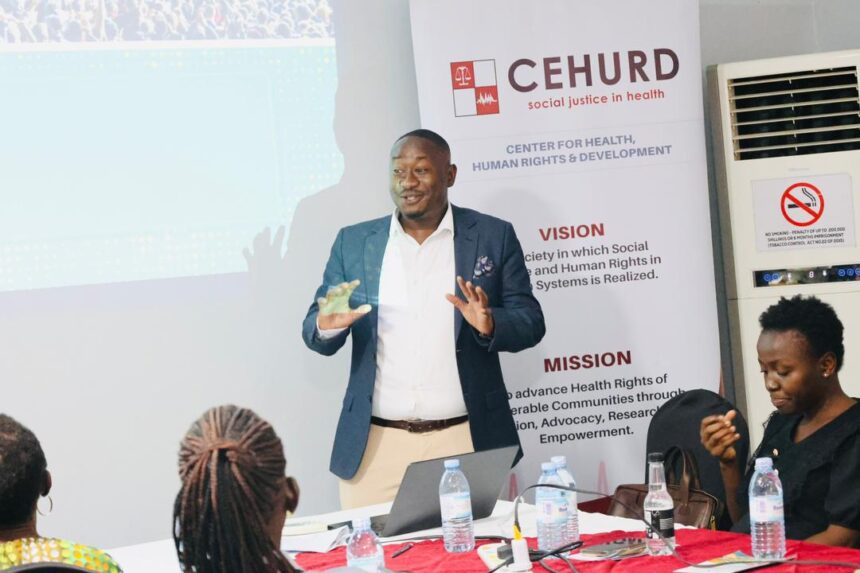
The call was made during a health media fellowship organized by Centre for Health, Human Rights and Development (CEHURD) at Nile Village Hotel, where journalists from different media houses gathered for training on health reporting, human rights, and investigative journalism.
The fellowship highlighted the critical role of health reporting in society, particularly in exposing challenges within Uganda’s healthcare system. Participants discussed scenarios such as power blackouts in hospital theatres during emergency procedures and the importance of media attention in holding institutions accountable and protecting lives.
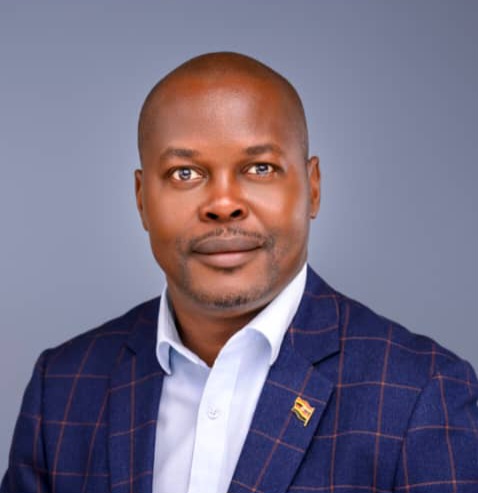
Speaking during the fellowship, Ms. Noor Nakibuuka Musisi, the Deputy Executive Director of CEHURD, challenged journalists to focus on impactful reporting that addresses issues affecting ordinary communities, especially in the health sector.
She said journalism remains a powerful tool for promoting human rights, exposing injustice, and amplifying the voices of vulnerable people in society.
“Journalism should address the issues affecting communities and defend the rights of the people through factual and impactful reporting,” Ms. Musisi said.
She further noted that although recent research indicates abortion rates in Uganda are gradually declining, there is still a need for public sensitization on reproductive health rights and the legal framework governing abortion under Uganda’s laws and the 1995 Constitution.
Participants also discussed findings from the Uganda Demographic and Health Survey, which examines reproductive health trends among women aged 15 to 49 years, including issues surrounding unsafe abortion and maternal health.
The fellowship further focused on the growing role of digital technology in modern journalism, where reporters are increasingly expected to adapt to multimedia storytelling, data journalism, and investigative reporting techniques.
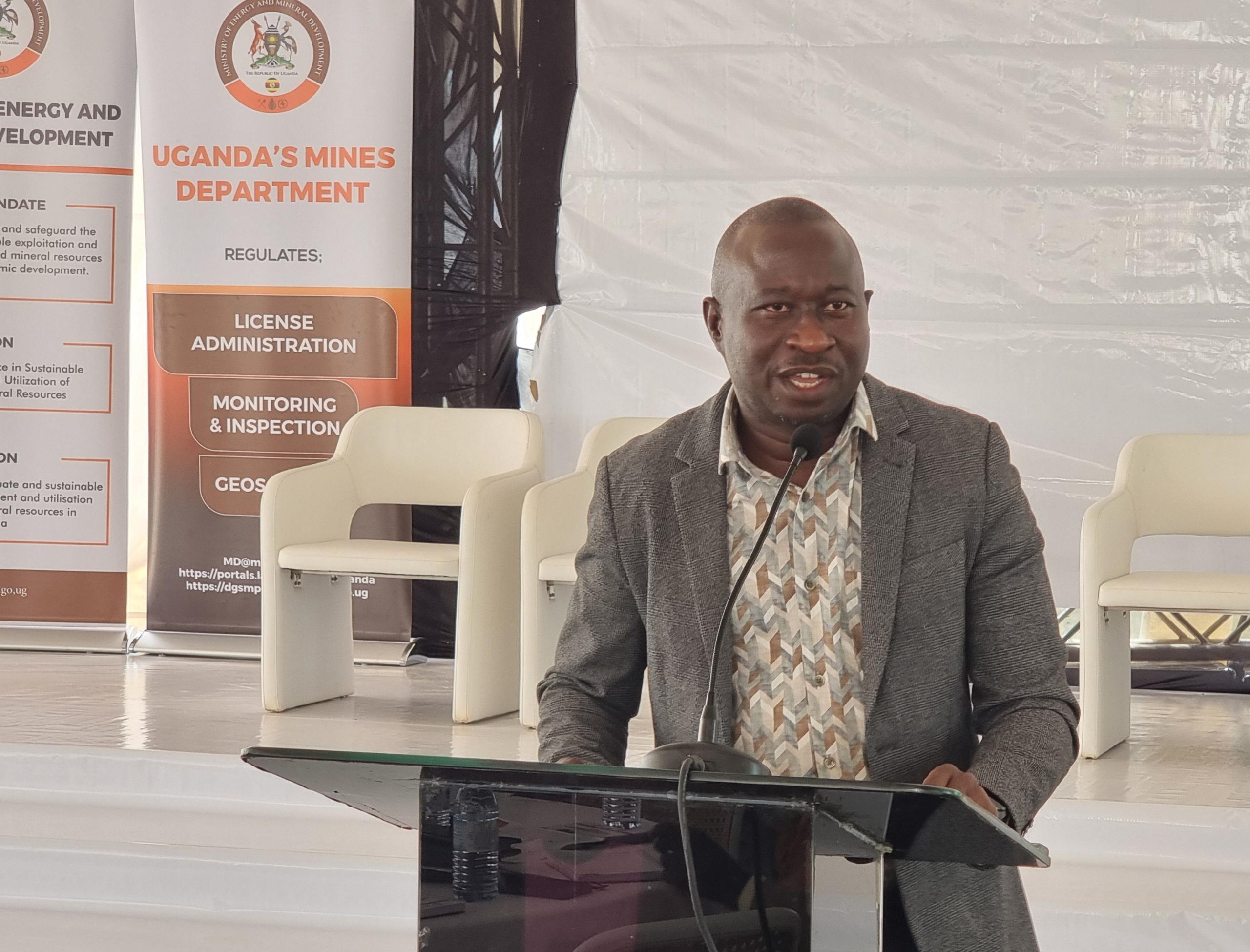
Renowned investigative journalist Solomon Serwanjja challenged journalists to sharpen their investigative skills and embrace professional storytelling standards capable of creating national impact.
During his lecture, Serwanjja emphasized what he described as the “3Cs of Journalism” — Conscience, Correctness, and Clarity — saying these principles remain essential in safeguarding professionalism within the media industry.
He explained that journalists must remain truthful, accurate, and ethical despite increasing pressure from social media competition and misinformation in the digital era.
“Impactful journalism has the power to transform society and hold leaders accountable,” Serwanjja told participants.
The fellowship also explored challenges affecting health journalism in Uganda, including fear among reporters when pursuing sensitive stories involving powerful institutions and government agencies.
Several participants admitted that many health-related investigations are often abandoned due to intimidation, legal threats, and limited institutional support within some media houses.
However, facilitators encouraged journalists to remain courageous and committed to professional ethics while reporting on public health issues affecting communities.
Kenyan legal advocate Ms. Lois Mwaniki emphasized that health reporting should promote broader human rights, including the right to health, education, and family.
“Human rights belong to all people, and health reporting should address rights related to health, family, education, as well as social, economic, and civil rights,” Mwaniki said.
Media experts also cautioned journalists against sacrificing credibility for online popularity and viral social media content.
“Use your phones to report stories in the field,” Serwanjja advised participants, emphasizing the importance of leveraging digital tools responsibly.
Participants were encouraged to prioritize factual and evidence-based reporting capable of influencing policy change and improving public awareness.
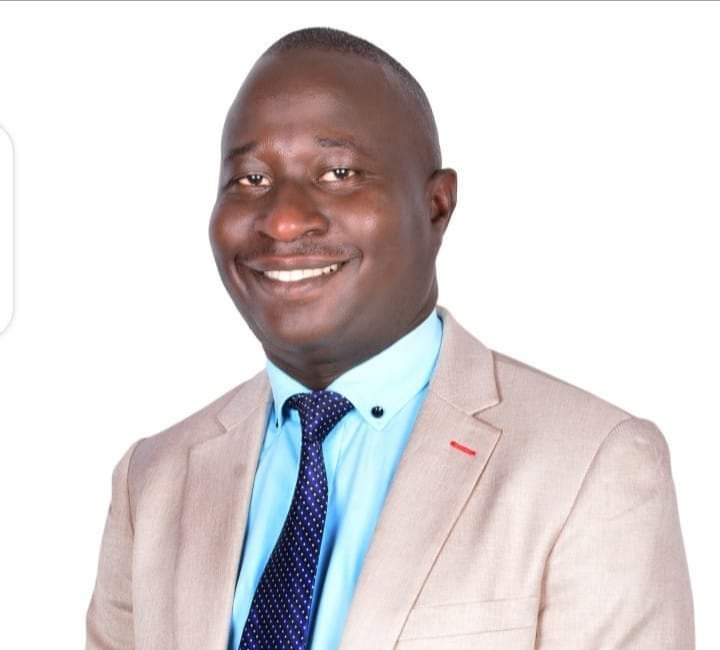
The CEHURD fellowship, coordinated by communications officer Ms. Faith Nabunya, forms part of ongoing efforts to strengthen health journalism and human rights reporting in Uganda, particularly on issues affecting women, youth, and vulnerable communities.
Journalists attending the training were further encouraged to pursue investigative stories capable of exposing gaps in healthcare systems, service delivery, and public accountability.
As Uganda’s media industry continues transitioning into the digital era, experts at the fellowship emphasized that investigative depth, ethical reporting, and community-centered journalism will remain key pillars in shaping the future of journalism in Africa.
Do you have a story in your community or an opinion to share with us: Email us at Submit an Article