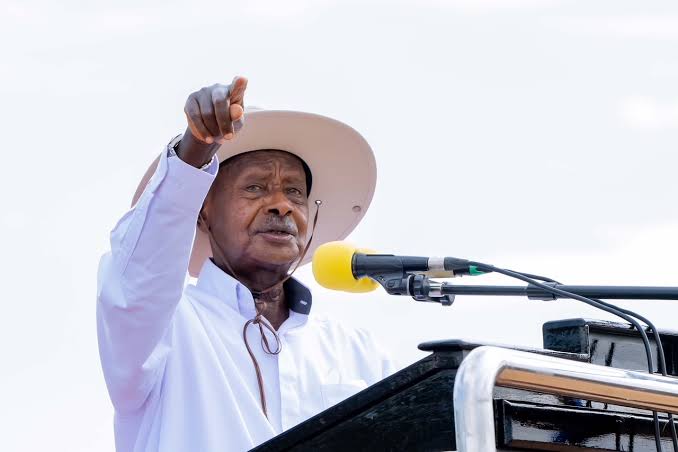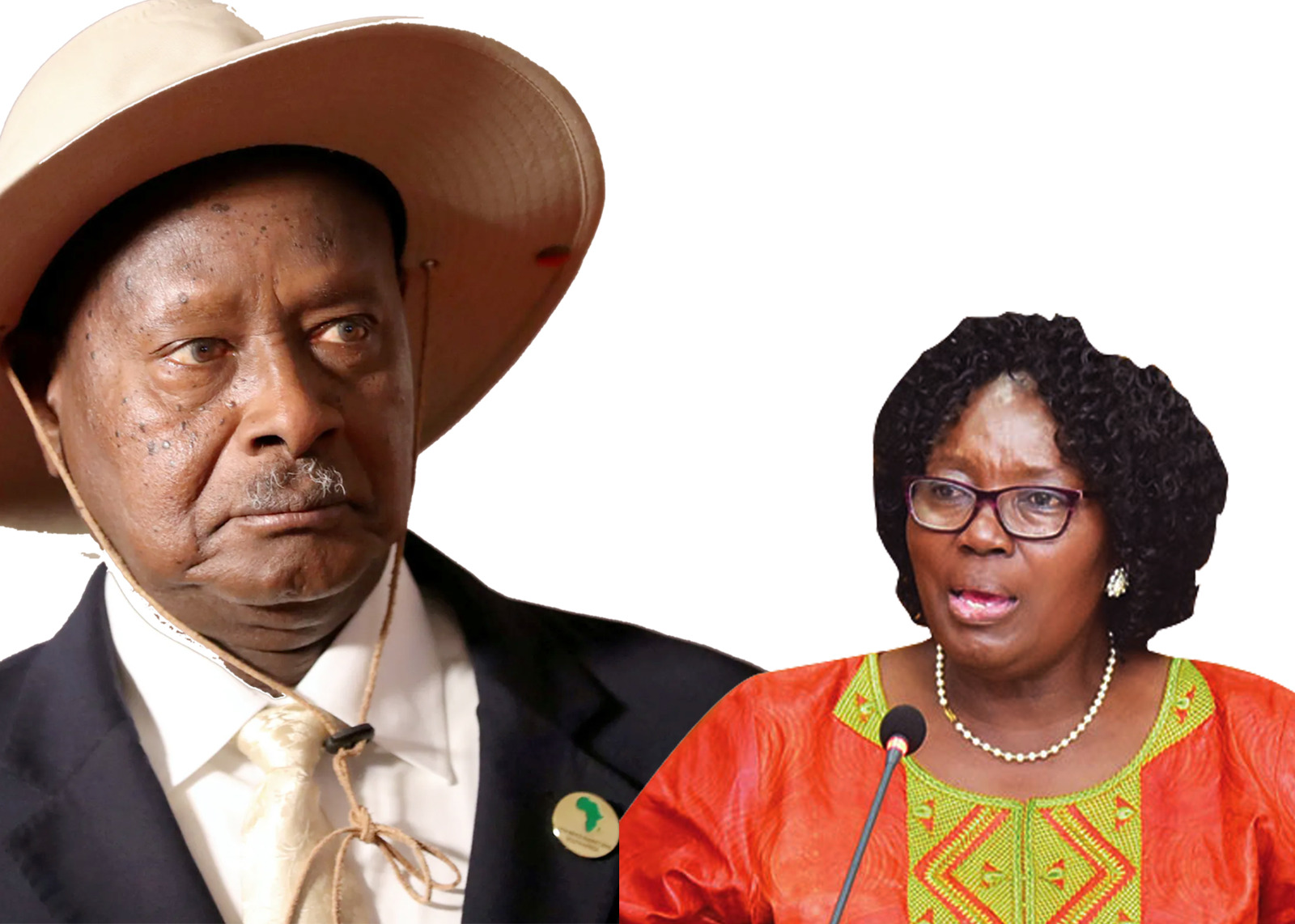
The NTV presidential debate of 2025 was billed as the grand stage where Uganda’s political gladiators would clash, ideas would be tested, and the nation would supposedly witness the triumph of youthful charisma over seasoned leadership. Yet what unfolded was less a gladiatorial contest and more a performance where the actors struggled to rise to the occasion, and the supposed star—Robert Kyagulanyi, alias Bobi Wine—found himself challenged by the weight of expectations. President Museveni’s boycott of this spectacle was not cowardice, as some detractors tried to spin it, but rather a masterstroke of political wisdom. Why should a lion waste its roar in a circus designed to flatter the cub? Why should a statesman with a national vision sit in a hall where the agenda was clearly skewed to elevate one man, only for that man to falter under the spotlight?
From the very start, the debate carried signs of bias. The organizers, with their thinly veiled intentions, sought to craft a platform where Bobi Wine could shine, where his rehearsed slogans and crowd-pleasing chants might be mistaken for policy. Yet the plan backfired. When asked about political pluralism, Kyagulanyi’s response lacked depth. He spoke of “freedom” and “voices of the people” but did not articulate how pluralism could be institutionalized in a country of diverse ethnicities, histories, and aspirations. Contrast this with Museveni’s decades of building a multiparty system under the NRM umbrella, where alliances with former rivals have stabilized the polity. The difference was clear, and the absence of Museveni only magnified it. The debate became a mirror reflecting the gaps in Kyagulanyi’s preparation.
Then came the question of regional policy. Here, Kyagulanyi’s limitations were evident. Asked how he would balance development across Uganda’s regions, he offered broad promises of “equity” and “justice,” but no roadmap, no figures, no tangible plan. Meanwhile, the NRM government has statistics to show: over 5,000 kilometers of tarmac roads laid in the past decade, electrification projects that have raised rural access from 7% in 2006 to over 30% today, and industrial parks sprouting in Mbale, Gulu, and Mbarara. Numbers do not lie, and Museveni’s record speaks louder than any slogan. Bobi Wine’s inability to address regional policy was not just a missed opportunity—it was a reminder that governance requires more than passion; it requires planning.
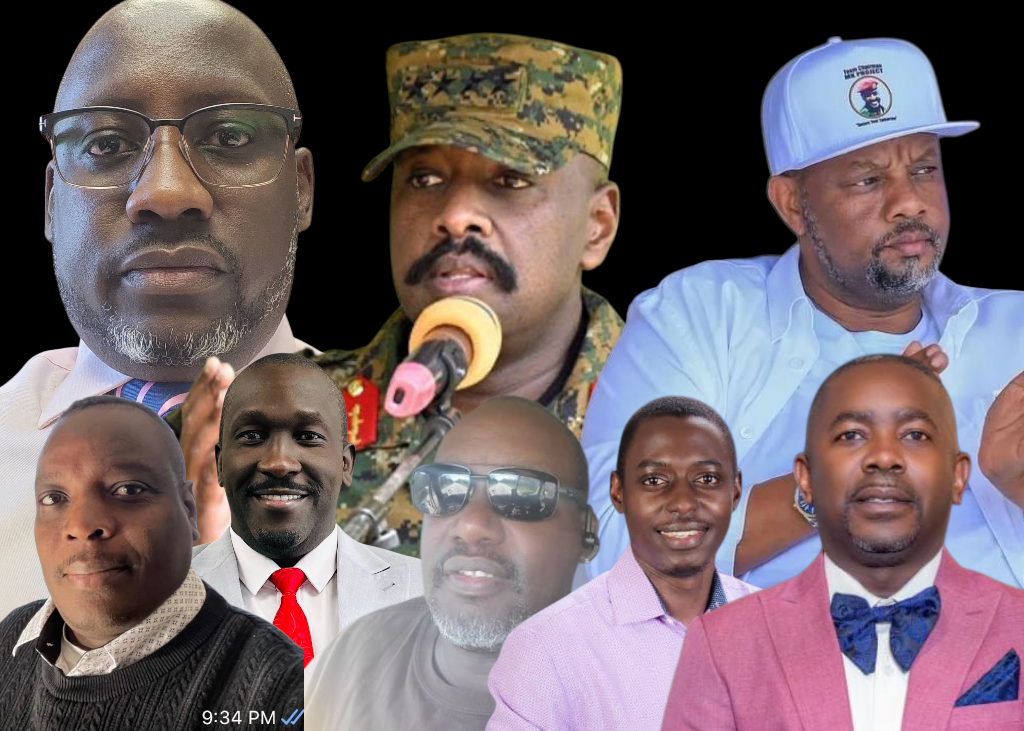
Even without Museveni, other candidates were enough to challenge Kyagulanyi. General Mugisha Muntu, calm and deliberate, reminded him that winning an election and taking power are two different things. “Crowds alone,” Muntu said, “are not a strategy. They are an emotion.” It was a gentle but firm correction, cutting through the illusion that mass rallies equate to governance. Paul Buliira added his voice, stressing that leadership requires planning, structures, and discipline—qualities not yet visible in the NUP machinery. The irony was rich: the very debate designed to showcase Bobi Wine ended up placing him under scrutiny from his peers.
The most difficult moment came when Kyagulanyi was confronted about his “rebel” message in Kawempe. Only days before, he had urged his supporters to feel proud calling themselves rebels and to act accordingly. On a national stage, under the glare of cameras, he was asked to explain this rhetoric. His answer was unclear, claiming metaphor where the tape suggested militancy. The optics were troubling. How can a man who brands himself a rebel expect to sit in a presidential debate alongside a head of state who has spent decades pacifying insurgencies, negotiating peace, and stabilizing Uganda’s borders? Museveni’s absence from that stage was not a retreat—it was a refusal to dignify rhetoric that undermines national unity.
And then there was the boycott by other candidates. Munyagwa, Robert Kasibante, and several others were no-shows, further diluting the debate into an opposition echo chamber. What was left was a gathering without balance, a choir singing to itself, with no conductor and no harmony. The absence of Museveni and other serious contenders underscored the futility of the exercise. A presidential debate reduced to a squabble among opposition figures is like a football match where the star striker refuses to play because the referee is biased—and then the opposing team scores own goals anyway.
The broader picture is clear: President Museveni and his challengers operate on two different levels. Museveni’s message is national in scope, future-oriented, and grounded in policy. He speaks of industrialization, regional integration, oil revenue management, and Uganda’s leap into middle-income status. His challengers, mainly Bobi Wine, reduce the discourse to a personal feud with the President. Every answer circles back to Museveni, as if the man himself were the only issue in Uganda. It is a reduction of national politics to personal vendetta. As the proverb goes, “A man who fights the shadow forgets the substance.” Museveni deals with substance; his rivals chase shadows.
Statistics reinforce this divide. Uganda’s GDP has grown from $4 billion in 1986 to over $66 billion today. Life expectancy has risen from 43 years to 63. Primary school enrollment stands at over 90%, thanks to UPE. These are not slogans; they are achievements. Bobi Wine, when pressed for figures, offered none. His campaign thrives on emotion, but governance demands arithmetic. Numbers build nations; chants build crowds. And as Muntu reminded him, crowds alone are not enough.
The debate also revealed the limited preparation of some candidates. Answers were recycled clichés, promises without budgets, dreams without blueprints. One candidate spoke of “ending corruption” but offered no mechanism, no institutional reform, no accountability framework. Another promised “jobs for all” without explaining how to expand the tax base or attract investment. It was a marketplace of promises, a bazaar where slogans were sold cheap but solutions were nowhere to be found. Museveni’s boycott spared him the indignity of sharing a stage with such inadequacy. Why should a man with a 40-year record of governance debate with candidates who cannot even draft a coherent policy on agriculture?
The motive of the organizers—to lift Bobi Wine—backfired. Instead of elevating him, the debate exposed his weaknesses. He was challenged by questions he could not answer, contradicted by rivals who reminded him of his inexperience, and cornered by his own rhetoric. The cameras captured not a rising star but a candidate still learning the ropes. And Museveni, by staying away, allowed the spectacle to collapse under its own weight. It was political judo: using the opponent’s momentum against him. The debate became a trap that Bobi Wine walked into willingly, only to find himself ensnared.
In the end, the NTV debate will be remembered not for its brilliance but for its blunders. It was a stage where answers lacked clarity, where the supposed hero was challenged, and where the absence of Museveni spoke louder than any speech. His boycott was not an abdication but a declaration: that national leadership cannot be reduced to television theatrics, that Uganda’s future cannot be debated in soundbites, and that the lion does not need to prove itself in a circus. As the saying goes, “When the drum beats too loudly, it bursts.” Bobi Wine’s drum burst on that stage, and Museveni’s silence thundered louder than any applause.
Ugandans watching the debate saw the contrast. On one side, a President with a record, a manifesto, and a vision. On the other, a candidate with slogans, crowds, and contradictions. The organizers tried to tilt the scales, but gravity prevailed. The debate challenged the very man it sought to glorify, and Museveni’s boycott was vindicated. In politics, as in chess, sometimes the strongest move is not to play. Museveni chose not to play in a rigged game, and in doing so, he won without lifting a finger. The debate was reduced to a sideshow, and the nation was reminded that leadership is not about noise but about substance, not about rebellion but about responsibility, not about crowds but about country. And in that reminder, Museveni’s boycott became not just justified but triumphant.
The Writer is the Deputy Resident City Commissioner for Nakawa Division.
Do you have a story in your community or an opinion to share with us: Email us at Submit an Article