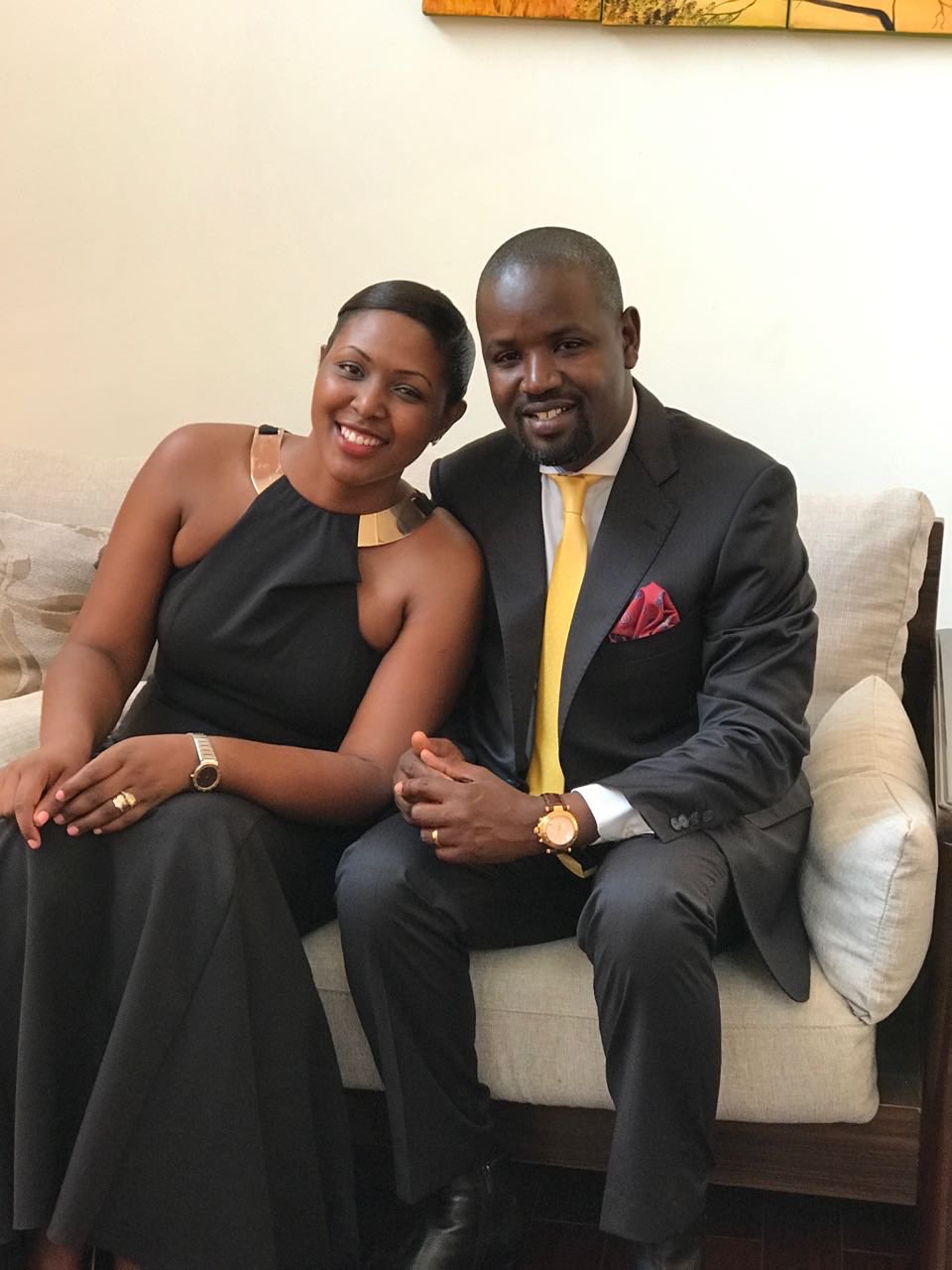
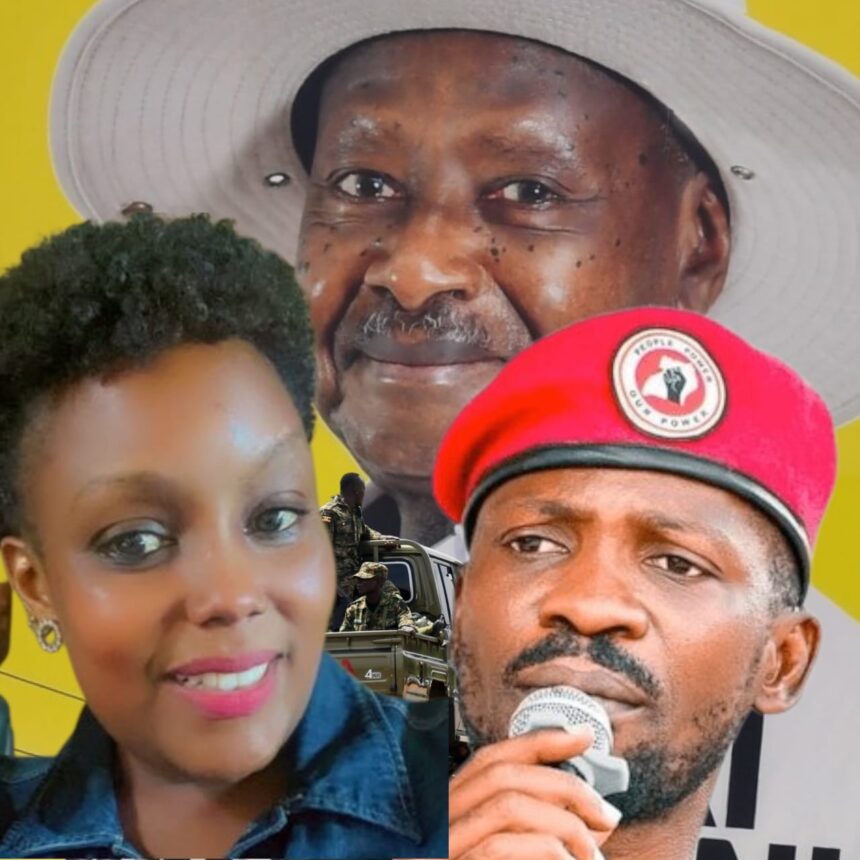
When Julie Namara Muvawala arrived in Bududa in September 2025, the whispers were deafening. To many, she had been dispatched to a political graveyard, a district where opposition titans reigned supreme. Bududa was the home of John Baptist Nambeshe, Deputy President of the National Unity Platform, and Nathan Nandala Mafabi, the formidable Secretary General of the Forum for Democratic Change. To be sent there, barely four months before a general election, was to be thrown into the lion’s den. Yet what unfolded was nothing short of dramatic—a story of resilience, strategy, and triumph against the odds.
By January 2026, Bududa had been transformed. President Yoweri Kaguta Museveni, the NRM candidate, secured 34,885 votes, a commanding 69.17% of the total, leaving Mafabi with 9,427 votes (18.78%) and Robert Kyagulanyi Ssentamu with 5,337 votes (10.58%). For a district long considered hostile to the ruling party, the numbers told a tale of political conquest. The NRM did not stop at the presidential vote. Geoffrey Natubu, the party’s candidate for LCV chairperson, swept to victory with 32,477 votes, a resounding 72%, while his rivals trailed far behind. Three of the district’s four parliamentary seats also fell to the NRM, cementing a dominance that few had predicted.
Turning Poverty into Hope
Muvawala, the Resident District Commissioner, was at the center of it all. She recalls the skepticism that greeted her arrival: “When I came here, everyone said I was finished. But thank God, we managed to achieve it.” Her strategy was simple yet profound—identify the people’s deepest concerns and respond with tangible solutions. Poverty, she realized, was the root of discontent. The Parish Development Model (PDM) became her weapon of choice. By channeling resources directly to households, the program softened hearts and rekindled hope. “PDM was the answer,” she says, “because people could see change with their own eyes.”
Other government initiatives reinforced this message. Emyooga, GROW, and UWEP empowered youth, women, and entrepreneurs, while resettlement programs for landslide victims provided families with two acres each and support to rebuild homes. These interventions were not abstract promises—they were lived realities that gave credibility to the NRM’s campaign.
The Power of Cohesion
Equally critical was the management of the NRM primaries. In a region where internal disputes had previously weakened the party, the transparent handling of candidate selection ensured flagbearers reflected the will of the people. “Had the primaries been mismanaged, our candidates would have been rejected,” Muvawala notes. Instead, the cohesion of the party translated into sweeping victories.
The campaign messaging also played a decisive role. Museveni spoke of production, technology, mining, and industrialization—visions of a future built on jobs and prosperity. His opponents, by contrast, focused on personal attacks. For Muvawala, the contrast was stark: “The President projected the future, while others offered no clear plans. The choice became easy for the people.”
Security in the Eye of the Storm
But Bududa’s transformation was not achieved without tension. As RDC, Muvawala was both the face of the President and the custodian of security. She worked closely with the District Security Committee to ensure peace, protecting women and elderly voters from intimidation. One of the most dramatic episodes came on January 3, 2026, when Robert Kyagulanyi visited the district. His entourage of over a thousand supporters deviated from the agreed campaign route, forcing their way through an impassable road under construction. Panic spread, but Muvawala coordinated calm responses with security, the Electoral Commission, and Kyagulanyi’s team, ensuring the candidate campaigned and departed peacefully.
Her ability to maintain order while respecting boundaries distinguished her from other RDCs accused of overstepping their mandate. “We tried to stick to what we are mandated to do and respect boundaries,” she reflects. “As the head of security, our office got involved in many activities but strictly in the interest of security.”
A New Face of the RDC Institution
Beyond Bududa, Muvawala sees a broader transformation in the institution of RDCs. Past accusations of inefficiency and abuse of power, she argues, have diminished thanks to rigorous vetting of officers by intelligence services. “People with questionable character no longer find their way into the system,” she says, crediting Minister Milly Babalanda and Permanent Secretary Hajji Yunus Kakande for their leadership. Staff welfare has also improved significantly. All RDCs and deputies now have official vehicles, drivers, and enhanced fuel allowances—twice increased under the current regime. This has boosted their mobility and capacity to monitor government programs effectively.
A Personal Victory
For Muvawala, the Bududa assignment was more than a political mission; it was a test of resilience and faith. She beams with gratitude as she reflects on her journey: “I thank President Museveni, the Minister for the Presidency, and the entire team for giving me this opportunity. It has made me better.”
Her story is not just about numbers, though the numbers are striking—34,885 presidential votes for Museveni, 32,477 for the NRM LCV chairperson, three of four parliamentary seats secured. It is about the drama of a district once considered lost, reclaimed through strategy, discipline, and the power of programs that touched lives. It is about a woman who walked into Bududa with whispers of doom trailing her, and who emerged with a victory that will be remembered as one of the most dramatic political turnarounds in Eastern Uganda.
Do you have a story in your community or an opinion to share with us: Email us at Submit an Article