Kampala — New details from inside the National Resistance Movement (NRM) Central Executive Committee (CEC) meeting have revealed intense internal disagreements over the endorsement of Speaker Anita Annet Among and her deputy, Thomas Tayebwa, underscoring deep-rooted tensions within the ruling party over power, regional balance, and leadership style.
Contrary to public messaging, multiple sources familiar with the meeting say the decision to endorse the Speaker and Deputy Speaker was not unanimous, with senior party figures from Buganda, Eastern, and Western Uganda raising concerns over the duo’s conduct and influence.
The most pointed criticism of Speaker Among reportedly came from State Minister for Microfinance and NRM Vice Chairperson for Buganda, Haruna Kasolo Kyeyune, who accused her of overreaching her mandate and marginalising Buganda leaders in parliamentary leadership and committee assignments. Kasolo is said to have argued that in her bid to assert authority, Among displaced influential Buganda cadres, denying them roles they believed were rightfully theirs.
From Eastern Uganda, NRM Vice Chairperson David Calvin Echodu reportedly told CEC that the region was divided over Among’s return, citing the Teso sub-region as an example of internal disagreement. Echodu is said to have warned that endorsing the Speaker without consensus risked deepening regional fault lines within the party.
The criticism widened to include Deputy Speaker Thomas Tayebwa, with businessman Hassan Basajjabalaba, who represents the Entrepreneurs League in CEC, reportedly accusing Tayebwa of disorganising party activities in Western Uganda. According to sources, Basajjabalaba claimed that Tayebwa’s political manoeuvres had caused confusion among party structures in the region, weakening coordination at grassroots level.
The accumulation of complaints led to a tense moment during the meeting, with some members questioning why the endorsement of the Speaker and Deputy Speaker was being rushed, unlike in previous parliamentary terms where leadership contests were allowed to unfold with minimal party interference. Insiders say this urgency fuelled speculation that the endorsement was meant to pre-empt dissent within the party and shut out alternative contenders.
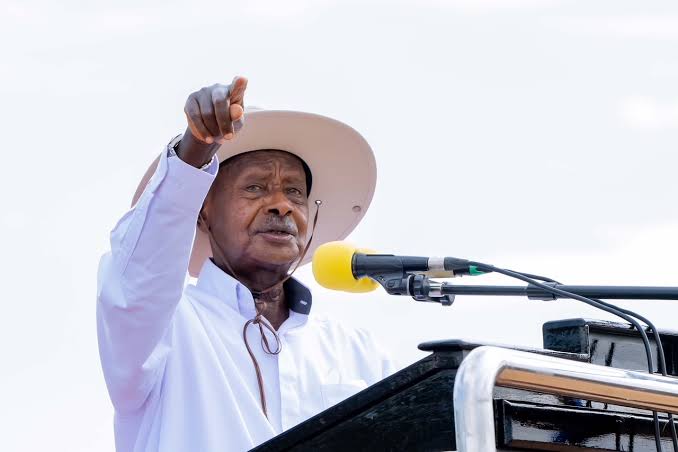
As the debate intensified, President Yoweri Museveni, who chairs the NRM, reportedly intervened to defuse the situation. Sources say the President overruled dissenting voices and directed that Among and Tayebwa be allowed to proceed as Speaker and Deputy Speaker, citing their performance in steering government business through Parliament.
Museveni is said to have defended the duo, arguing that under their leadership, government legislation had passed with minimal disruption and that the August House was more united than under previous Speakers. He reportedly told the meeting that the current parliamentary leadership had successfully pushed the government agenda without major setbacks.
In a pointed assessment, the President is also said to have credited Among and Tayebwa with effectively neutralising the Opposition in Parliament, reducing confrontations that previously paralysed House business. According to insiders, Museveni argued that stability and discipline in Parliament were critical as the country enters a politically sensitive period.
Despite Museveni’s intervention, sources say alternative names had quietly circulated ahead of the meeting. Justice and Constitutional Affairs Minister Norbert Mao was reportedly viewed by some insiders as a potential consensus candidate for Speaker, given his legal background and cross-party appeal. Defence Minister Jacob Oboth Oboth was also mentioned as a possible contender, with supporters citing his seniority and experience.
While the President’s decision settled the immediate leadership question, the CEC debate exposed underlying unease within the ruling party over power concentration, regional representation, and the expanding influence of the Speaker’s office. Although the NRM has since closed ranks publicly, insiders warn that the grievances aired during the meeting could resurface during future internal contests or parliamentary leadership elections.
For now, Museveni’s word has prevailed, but the episode has offered a rare glimpse into the high-stakes power play shaping Parliament’s leadership behind closed doors.
Do you have a story in your community or an opinion to share with us: Email us at Submit an Article