Kampala, Uganda – The ruling National Resistance Movement (NRM) has claimed a clean sweep in the regional Youth Member of Parliament elections held yesterday, January 28, securing all four seats amid complaints of voter bribery and irregularities. These polls, part of Uganda’s affirmative action framework to amplify youth voices in the 12th Parliament, underscore the party’s dominance but also raise questions about the inclusivity of youth representation in a nation where young people form the majority.
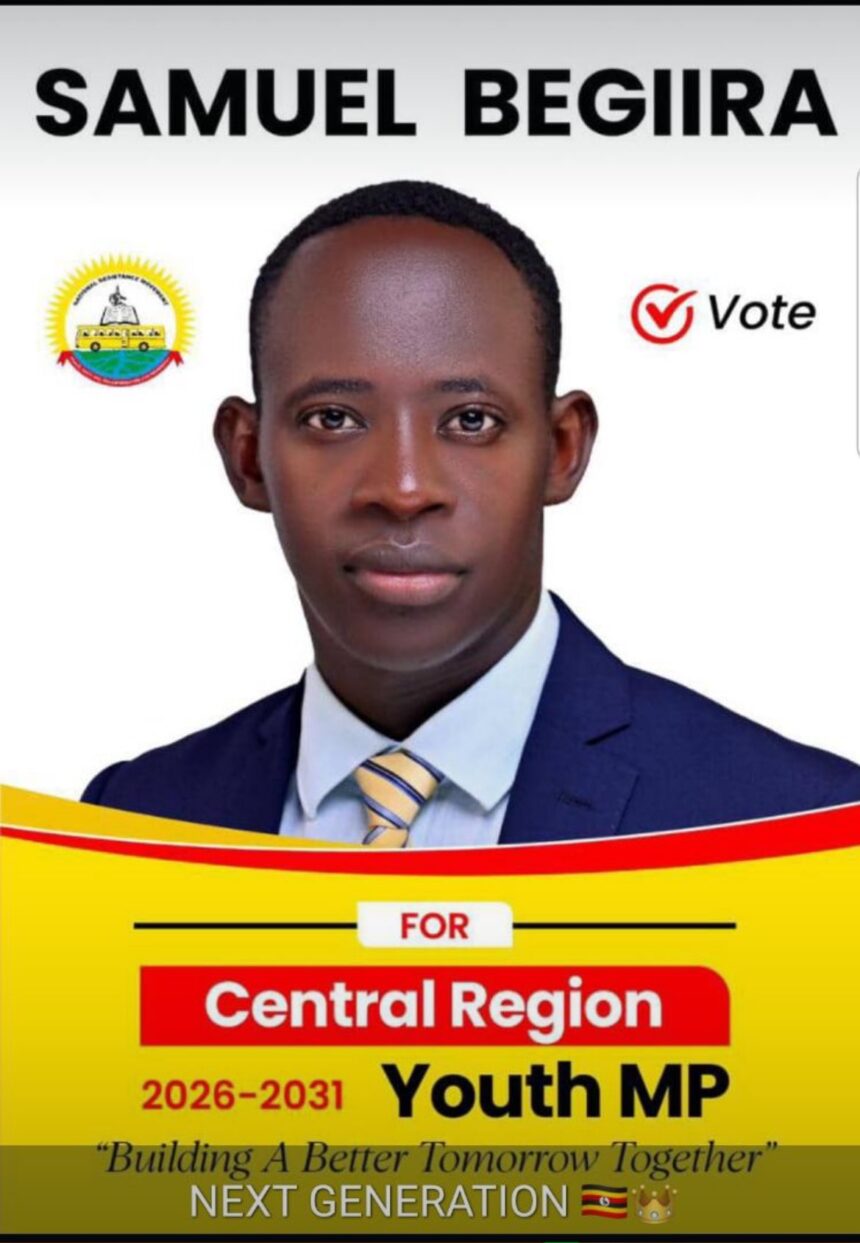
The elections took place at designated venues across the country, with delegates from district youth councils, sub-counties, and special interest groups casting votes in an indirect electoral college system. In the Central Region, held at Masaka Sports Arena, NRM’s Samuel Begira triumphed with 1,001 votes, far outpacing independent James Churchill Ssentamu’s 34 and NUP’s Tulabako Edward’s 12. For the Eastern Region at the Islamic University in Mbale, NRM’s Wanyama emerged victorious over five rivals.
In the Northern Region, at Mvara Secondary School in Arua, NRM’s Elma Kapel Challa won with 1,245 votes, beating UPC’s Elizabeth Shakira Wacha (343) and DP’s Elizabeth Amolo (8), though delegates protested delayed facilitation payments before voting. The Western Region race at Ntare School in Mbarara saw NRM’s Mwine Tumwebaze take 1,557 votes against Barbra Nakandi’s 404, but contestants alleged widespread bribery.
These results follow the January 15 general elections, where President Museveni secured a seventh term amid opposition claims of rigging. The youth seats—reserved for those aged 18-35 under the 1995 Constitution—aim to bridge the gap between Uganda’s youthful population (78% under 35) and decision-making. With youth comprising nearly half of registered voters, these MPs are meant to advocate for issues like unemployment, education, and political inclusion.
Yet, the significance is debated. Proponents see it as empowering young leaders, as with former Youth MP Denis Hamson Obua, who rose to government chief whip before his recent defeat. Critics, however, argue the indirect system favors the ruling party, rendering representation ineffective and fueling distrust. Youth often feel disconnected from elites who exploit their issues for votes without real change. The seats have even been challenged as unconstitutional, highlighting tensions in affirmative action.
The National Female Youth MP election is set for February 6 in Kampala.
Do you have a story in your community or an opinion to share with us: Email us at Submit an Article