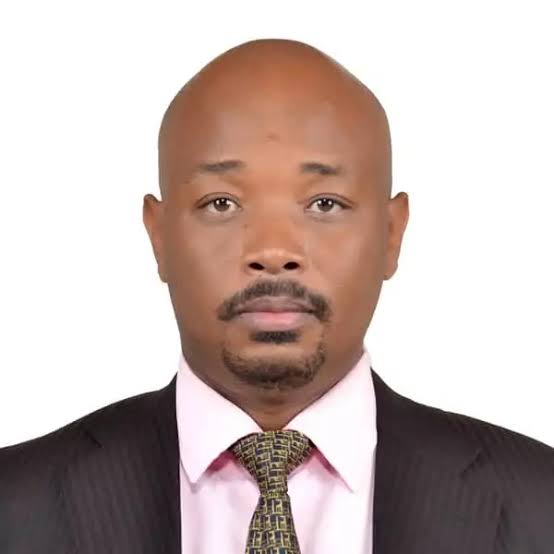
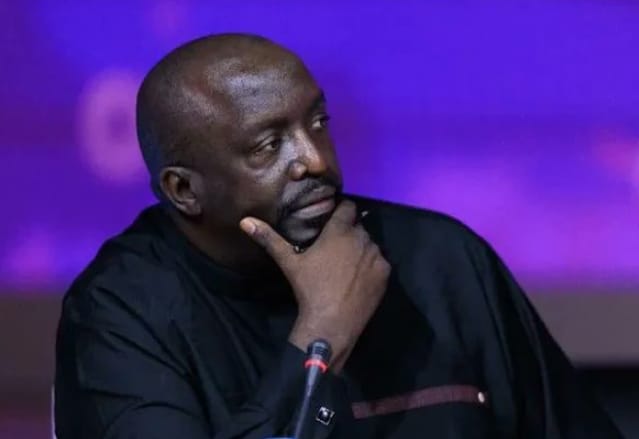
KAMPALA – Barely weeks into his new job, the freshly appointed Executive Director of the Uganda Media Centre, Alan Kasujja, is already discovering the reality of public office in Uganda: once the appointment letter arrives, the phone never stops ringing.
On Sunday, March 15, 2026, the former BBC heavyweight took to X to share a screenshot showing 73 missed calls by 2:00pm — on a Sunday, no less.
His caption captured the mood:
> “73 missed calls by 1400 on a Sunday? Time to change numbers, I think..”
The post quickly triggered a flood of reactions online. Some users reminded him that “it comes with the office,” while others jokingly claimed to be among the callers — from landlords demanding March rent to distant relatives seeking “facilitation.”
One follower even volunteered to become Kasujja’s personal call screener.
Another offered a more sobering reminder:
> “You became hope to many lives. Don’t dare change the number.”
Appointment That Comes with Pressure
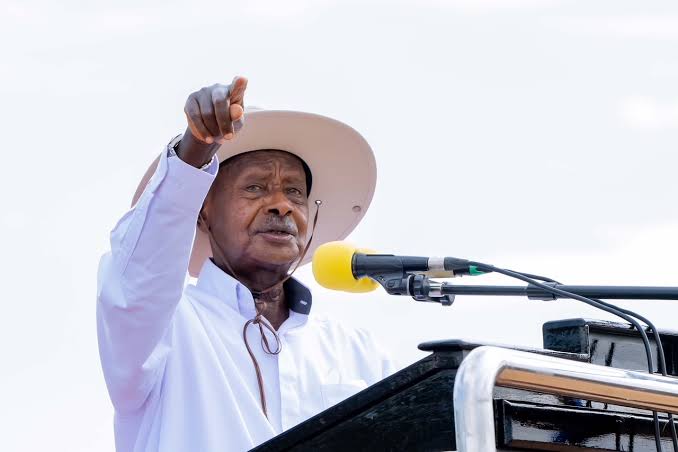
Kasujja’s appointment came through President Yoweri Kaguta Museveni, who named him Executive Director of the Media Centre in a letter dated December 27, 2025. The directive was later made public on January 30, 2026.
He replaced Ofwono Opondo, the long-serving government spokesperson who left the position to pursue elective politics.
Since early March, Kasujja has been undertaking a series of transition activities — holding internal briefings, engaging the outgoing team, and mapping out his priorities for the government communications hub.
By March 14, just a day before the now-viral “73 missed calls” post, Kasujja was already speaking about mobilising resources for the Media Centre, reaching out to private-sector partners, and promising to support Uganda’s creatives and youth.
The message was clear: the new man in charge intended to hit the ground running.
Welcome to Kampala’s Power Phone
But as many Ugandan officials quickly learn, the moment one steps into public office, accessibility becomes both an expectation and a burden.
The Uganda Media Centre, after all, sits at the centre of government communication. Its executive director is expected to interact with journalists, civil society actors, creatives, youth groups, development partners — and the inevitable stream of acquaintances hoping proximity to power will translate into opportunity.
In Kampala’s political ecosystem, a new appointment often triggers a wave of phone calls from all corners: media inquiries, partnership proposals, old friends resurfacing, and sometimes outright opportunists testing their luck.
Kasujja, who built much of his career in the structured environment of international broadcasting at the BBC, now finds himself navigating a different rhythm — one where influence comes with a relentless ringtone.
The Real Test Begins
Whether the new Media Centre boss ultimately changes his number or simply hires someone to screen calls remains to be seen.
What is clear is that the honeymoon period appears to have ended almost as quickly as it began.
The real test will not be how many calls Kasujja receives, but whether he can translate that attention into tangible results for the creative sector and young communicators he has promised to champion.
For now, one lesson is already evident: in Uganda’s public service arena, the phone never sleeps.
And neither, it seems, will the new Media Centre boss.
Do you have a story in your community or an opinion to share with us: Email us at Submit an Article