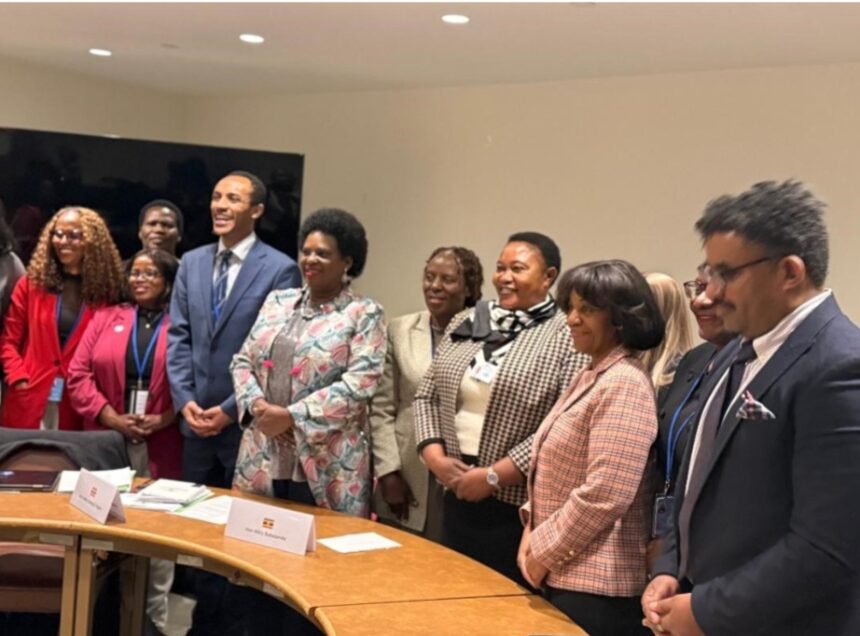
Uganda has committed to continue strengthening protection systems for children and addressing gender-based violence in both humanitarian and development contexts.
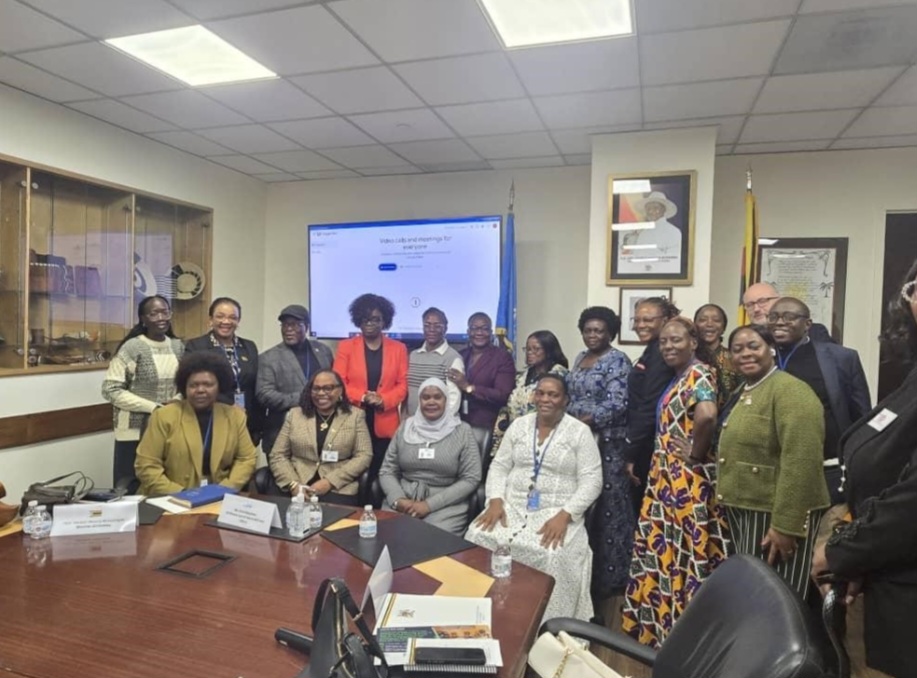
The commitment was made on Friday 13th March, 2026 during a sideline event at the Commission on the Status of Women in New York, USA.
Running under the theme: “Asking and Telling: A Screening Innovation for Enhancing Access to Care for Girl Survivors of Sexual Violence in Humanitarian and Development Contexts in the East and Horn of Africa”, the event brought together government representatives, humanitarian agencies, researchers and civil society actors to examine innovative approaches to addressing sexual violence against girls, particularly in refugee settings across East and the Horn of Africa.
The session was organised by the Government of Uganda in partnership with the Government of Ethiopia, the Population Council and the Baobab Research Programme Consortium.
The Ugandan delegation to the event comprised Hon. Babirye Milly Babalanda, Minister for the Presidency, Hon. Betty Amongi Ongom, Minister for Gender, Labour and Social Development; Hon. Flavia Kabahenda, Chairperson of the Parliamentary Committee on Gender, Labour and Social Development; Ms. Zaminah Malole, Secretary of the Presidential Awards Committee; Ms. Catherine Nassuna, Under Secretary at the Ministry of Water and Environment; and Dr. Angella Nakafeero, Commissioner for Gender and Women Affairs at the Ministry of Gender, Labour and Social Development, alongside other senior officials and representatives from civil society organisations.
In her scene-setting remarks, Minister Amongi outlined the objectives of the meeting and highlighted Uganda’s commitment to safeguarding children from violence.
She noted that sexual violence against children remains one of the most urgent human rights challenges globally, emphasizing Uganda’s responsibility as a major refugee-hosting country with nearly two million refugees, many of whom are children.
Hon. Amongi explained that Uganda’s policies and programmes are guided by international commitments including the UN Convention on the Rights of the Child, the African Charter on the Rights and Welfare of the Child and the Sustainable Development Goals, as well as national frameworks such as the National Child Policy and Implementation Plan.
Delivering the opening remarks, Minister Babalanda welcomed participants and commended the collaboration between governments, research institutions and humanitarian partners in addressing sexual violence against children.
She emphasised that Uganda has moved beyond policy commitments to practical action, including the pioneering Violence Against Children and Youth Survey conducted in refugee settlements in 2022, which revealed high levels of violence and low reporting among survivors.
She also highlighted Uganda’s innovative response piloting a school-based sexual violence screening intervention delivered by trained para-social workers in refugee settlements describing it as an important step toward ensuring survivors are identified early and connected to care and protection services.
Technical presentations during the session highlighted practical experiences from Uganda and Ethiopia in implementing screening interventions in refugee settlements.
Ms. Lydia Najjemba Wasula of Uganda’s Ministry of Gender, Labour and Social Development outlined Uganda’s priorities and alignment with the screening initiative, explaining that sexual violence encompasses non-consensual or attempted sexual contact and other acts of a sexual nature.
She noted that sensitisation sessions with pupils are conducted to encourage children to speak out and seek support, stressing that proactive screening has significantly increased identification of survivors and improved access to services.
Representatives from Ethiopia also shared insights on their adaptation of the model drawing lessons from Uganda’s approach to strengthen prevention and response mechanisms for girls in refugee communities.
Panel discussions and closing remarks highlighted the importance of regional collaboration and scaling up innovative interventions.
Representatives from the Population Council, the United Nations High Commissioner for Refugees, and the Baobab Research Programme Consortium reaffirmed their commitment to supporting evidence-based strategies that improve protection for vulnerable children.
Speakers commended Uganda and Ethiopia for maintaining strong commitments to refugee protection despite declining donor support, noting that the screening innovation demonstrates the potential of locally driven solutions.
Participants also agreed on the need to expand screening programmes, strengthen community-based protection systems, and ensure that survivors of sexual violence particularly girls in humanitarian settings are able to safely disclose abuse and access timely care and support services.
Do you have a story in your community or an opinion to share with us: Email us at Submit an Article