Sign In
  • UGANDA
  • AFRICA
  • WORLD
watchdog uganda logo
Submit an Article
  • Home
  • News
    • National
    • Politics
    • World News
    • Media Outreach Newswire
    • Africa News
    • Tourism
    • Community News
    • Luganda
    • Sports
      • Football
      • Motorsport
  • Op-Ed
    • #Out2Lunch
    • Conversations with
    • Politics
    • Relationships
  • Business
    • Agriculture
    • CEOs & Entrepreneurs,
    • Companies
    • Finance
    • Products
    • RealEstate
    • Technology
  • Entertainment
    • Lifestyle
  • People
    • Showbiz
      • Salon Mag
  • Special Report
    • Education
    • Voices
  • Reviews
    • Products
    • Events
    • Hotels
    • Restaurants
    • Places
  • Forums
  • Donate
  • China News

Archives

  • March 2026
  • February 2026
  • January 2026
  • December 2025
  • November 2025
  • October 2025
  • September 2025
  • August 2025
  • July 2025
  • June 2025
  • May 2025
  • April 2025
  • March 2025
  • February 2025
  • January 2025
  • December 2024
  • November 2024
  • October 2024
  • September 2024
  • August 2024
  • July 2024
  • June 2024
  • May 2024
  • April 2024
  • March 2024
  • February 2024
  • January 2024
  • December 2023
  • November 2023
  • October 2023
  • September 2023
  • August 2023
  • July 2023
  • June 2023
  • May 2023
  • April 2023
  • March 2023
  • February 2023
  • January 2023
  • December 2022
  • November 2022
  • October 2022
  • September 2022
  • August 2022
  • July 2022
  • June 2022
  • May 2022
  • April 2022
  • March 2022
  • February 2022
  • January 2022
  • December 2021
  • November 2021
  • October 2021
  • September 2021
  • August 2021
  • July 2021
  • June 2021
  • May 2021
  • April 2021
  • March 2021
  • February 2021
  • January 2021
  • December 2020
  • November 2020
  • October 2020
  • September 2020
  • August 2020
  • July 2020
  • June 2020
  • May 2020
  • April 2020
  • March 2020
  • February 2020
  • January 2020
  • December 2019
  • November 2019
  • October 2019
  • September 2019
  • August 2019
  • July 2019
  • June 2019
  • May 2019
  • April 2019
  • March 2019
  • February 2019
  • January 2019
  • December 2018
  • November 2018
  • October 2018
  • September 2018
  • August 2018
  • July 2018
  • June 2018
  • May 2018
  • April 2018
  • March 2018
  • February 2018
  • January 2018
  • December 2017
  • November 2017
  • October 2017
  • September 2017
  • August 2017
  • July 2017
  • June 2017
  • May 2017
  • April 2017
  • March 2017
  • February 2017
  • January 2017
  • November 2016
  • October 2016
  • September 2016
  • August 2016
  • July 2016
  • September 2015
  • April 2014
  • June 2013

Categories

  • #Out2Lunch
  • Agriculture
  • Big Brother Naija Dairy
  • Business
  • CEOs & Entrepreneurs,
  • China News
  • Community News
  • Companies
  • Conversations with
  • Court
  • culture
  • Deplomacy
  • Education
  • Education
  • Entertainment
  • Entrepreneurs
  • Events
  • Fashion
  • Finance
  • Football
  • Gadgets
  • Health
  • Hotels
  • Innovation
  • Lifestyle
  • Luganda
  • Motorsport
  • National
  • News
  • Op-Ed
  • Opinion
  • People
  • Photography
  • Photos
  • Places
  • Politicians
  • Politics
  • Politics
  • Products
  • Products
  • RealEstate
  • Relationships
  • religion
  • Reports
  • Restaurants
  • Reviews
  • Salon Magazine
  • Showbiz
  • Special Report
  • Sports
  • Stars
  • Technology
  • Tourism
  • Travel
  • Traveler
  • Trips
  • Video
  • Voices
  • World
  • World News
Reading: KAMPALANS, WHERE ARE YOU FROM? Does the consequence of Economic realities and planning failures of the KCCA affecting you?
Share
Watchdog UgandaWatchdog Uganda
Font ResizerAa
  • Home
  • News
  • Op-Ed
  • Business
  • Entertainment
  • People
  • Special Report
  • Reviews
  • Forums
  • Donate
  • China News
Search
  • Home
  • News
    • National
    • Politics
    • World News
    • Media Outreach Newswire
    • Africa News
    • Tourism
    • Community News
    • Luganda
    • Sports
  • Op-Ed
    • #Out2Lunch
    • Conversations with
    • Politics
    • Relationships
  • Business
    • Agriculture
    • CEOs & Entrepreneurs,
    • Companies
    • Finance
    • Products
    • RealEstate
    • Technology
  • Entertainment
    • Lifestyle
  • People
    • Showbiz
  • Special Report
    • Education
    • Voices
  • Reviews
    • Products
    • Events
    • Hotels
    • Restaurants
    • Places
  • Forums
  • Donate
  • China News
Have an existing account? Sign In
Follow US
© 2026 Watchdog Uganda. Ruby Design Compan. All Rights Reserved.
News

KAMPALANS, WHERE ARE YOU FROM? Does the consequence of Economic realities and planning failures of the KCCA affecting you?

watchdog
watchdog
Share
SHARE

Kampala today stands as the political and economic heart of Uganda, but the city’s present challenges cannot be understood without examining its deeper historical roots. The question “Kampalans, where are you from?” is more than a casual question, it reflects a city shaped by layers of history, class divisions, and planning decisions that continue to influence how people live and work.

Long before colonial powers arrived in the region, the Buganda Kingdom had already established organized centers of administration and community life. The Kabaka’s palace at Mengo and surrounding areas functioned as a political and cultural hub where governance, trade, and social organization took place.
These early settlements reflected indigenous systems of leadership and community structure. However, when colonial administrators arrived toward the end of the nineteenth century, they reshaped the city according to their own political and economic interests.

Under colonial rule, Kampala developed through a clear system of class and racial separation. The British administration designed the city in a way that reflected hierarchy. European administrators and settlers occupied well-planned areas such as Kololo, Old Kampala and Nakasero, where infrastructure, sanitation, and housing standards were carefully developed. Roads were organized, public services were available, and these areas symbolized order and authority.

At the same time, netive African labourers who supported the colonial economy were pushed into separate areas with limited services. These settlements lacked proper sanitation, housing regulation, and infrastructure. Kampala therefore grew as a divided city one part designed for privilege and another for labour. This structure created a mindset where some groups felt a sense of entitlement to the city up to today while others were treated merely as workers within it.
When Uganda gained independence in 1962, many citizens hoped the inherited inequalities of the colonial city would be corrected. Kampala began to expand rapidly from seven hills to now 21 as people from across the country migrated to the capital in search of jobs, education, and opportunity. However, the rapid population growth soon outpaced the ability of urban authorities to plan and regulate development effectively.
Instead of systematic planning, Kampala expanded through informal growth. Housing developments appeared in many areas without proper infrastructure, roads, drainage systems, or organized transport networks. The result has been the emergence of both low-income settlements and poorly coordinated upper income neighborhoods.
In some parts of the city such as Katwe Makidye, Bwayise Kawempe, Nakulabye Lubaga overcrowded housing and inadequate sanitation reflect the struggles of low-income communities. In other areas, wealthy residential zones exist but remain disconnected from the broader urban structure.
Today, Kampala’s population continues to grow rapidly, placing increasing pressure on infrastructure, housing, and employment opportunities. Like many cities around the world, urban areas naturally become centers of political discussion, economic activity, and public delivery influence. For a government that has ruled for more than four decades, managing a rapidly expanding urban population presents both administrative and political challenges.
Within this environment, a growing middle class has emerged, consisting of business people, professionals, and urban elites. Many members of this group frequently travel to Western cities for medical care, education, or business opportunities. They admire the organized transport systems, clean streets, and modern urban planning they observe abroad. However, these comparisons often overlook the deeper issue the longstanding failure to invest in comprehensive urban planning at home.
Instead, much of the frustration surrounding urban disorder is directed at one of the most visible groups in the city: street vendors. Vendors have become a common focus in debates about modernization and city management. Yet these individuals represent thousands of citizens who rely on small-scale trade to survive. They wake up every day determined to earn a living through honest work in a city that has not created enough formal employment opportunities.
Removing vendors from the streets without providing realistic alternatives does little to solve the underlying economic challenges. A more sustainable approach would involve developing Regional affordable and accessible markets where vendors can operate legally and safely. At the same time, effective planning for public transport in all our regions, housing, and urban services would help reduce congestion and create a more inclusive city environment.
Urban development should not simply focus on control or beautification. It must also consider fairness and opportunity for all citizens. When large segments of the population feel excluded from economic participation, frustration can grow and social tensions may increase. Over time, such pressures can contribute to the emergence of outlaw networks and groups that operate outside formal systems.
For Kampala to move forward, the city must be viewed as a shared space belonging to all its residents. Every citizen deserves the opportunity to work, live, and move within the city with dignity. Planning that includes affordable markets, accessible housing, and efficient transport infrastructure would not only improve urban life but also strengthen social stability in our country.
The question “Kampalans, where are you from?” should therefore not divide the residents of this city. Instead, it should encourage reflection about shared responsibility and shared belonging. Kampala was built by many hands workers, traders, professionals, and leaders from all parts of Uganda. Leaders let’s chooses inclusion over division and planning over neglect.
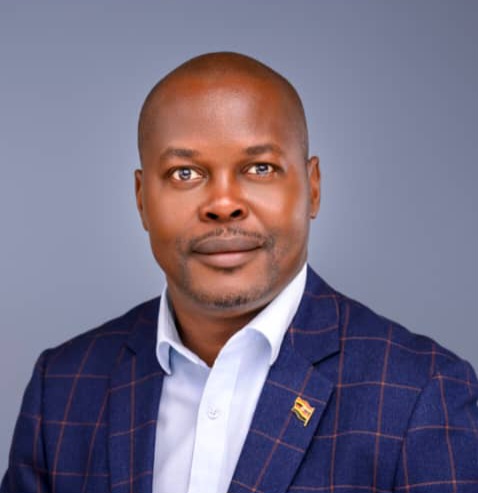
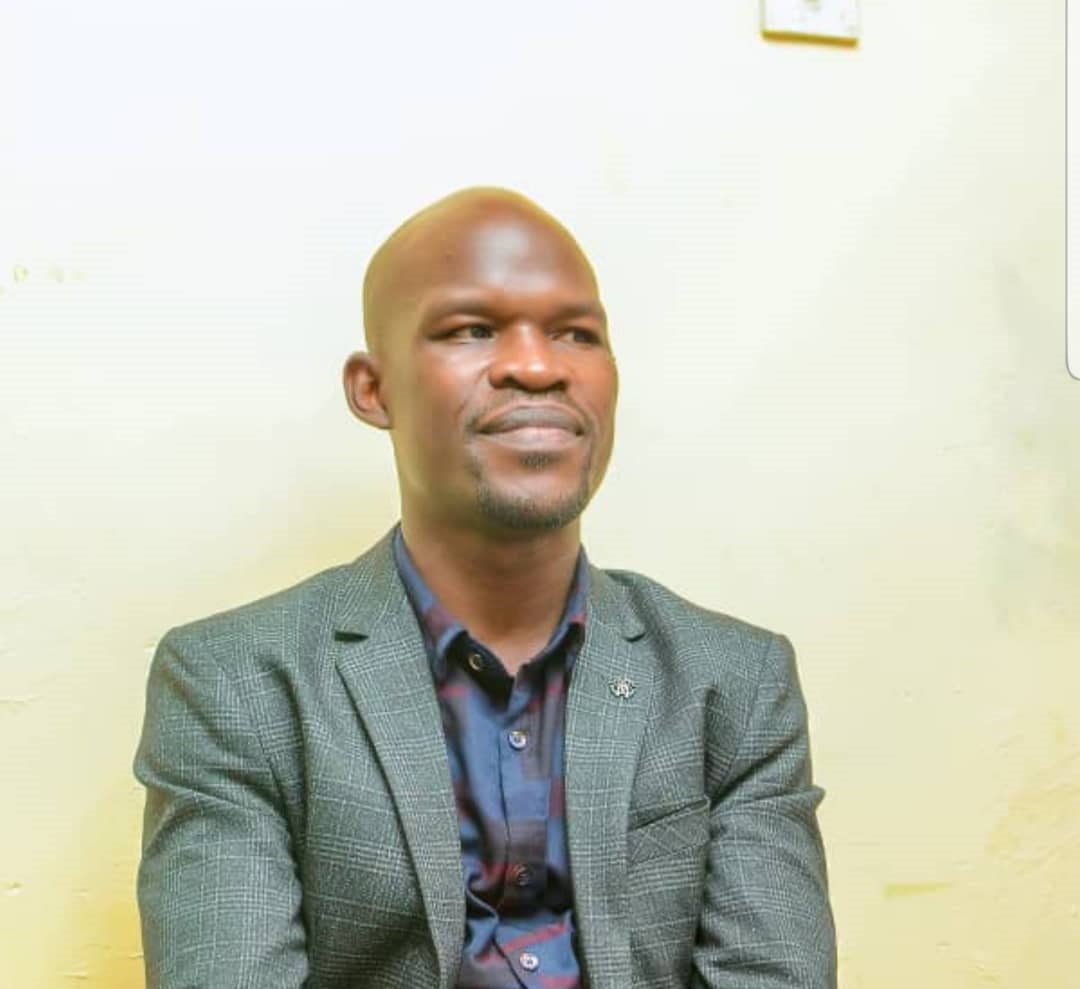
Mr. Bwanika Joseph is a social development specialist and CEO Bridge your mind Centre.

Email: bwani.jose@gmail.com


Do you have a story in your community or an opinion to share with us: Email us at Submit an Article
Subscribe to Our Newsletter
Subscribe to our newsletter to get our newest articles instantly!
TAGGED:Bwanika Joseph
Share This Article
Facebook Whatsapp Whatsapp Email Copy Link
Bywatchdog
Follow:
Watchdog Uganda is a news portal for trending news and commentaries in the areas of politics, security, business, tourism, technology, education, et al.
Previous Article President Museveni underscores role of education and skilling the girl child in empowering women 
Next Article KAGENYI LUKKA: NRM’s Foreign Policy: Pacification and Trade in the Region

Editor's Pick

PoliticsVoices

Billy Mulindwa- The Maverick RDC Who Chased Bobi Wine And Rewrote Masaka’s Political Destiny

When one first hears the word Masaka, the first things that pops…

By
Mike Ssegawa
9 Min Read
Op-EdPolitics

KAGENYI LUKKA: NRM’s Foreign Policy: Pacification and Trade in the Region

Uganda's National Resistance Movement (NRM) government, led by President Yoweri Museveni, has…

5 Min Read
Op-EdPolitics

MATHIAS LUTWAMA: Museveni’s six golden achievements in Alebtong District 

In our institutional reverence to state ethos and the new transformation, we…

3 Min Read

Top Writers

Mike Ssegawa 734 Articles
Two decades of reporting, editing and managing news content. Reach...
Mulema Najib 4352 Articles
News and Media manager since 2017. Specialist in Political and...

Op-ED

EDRINE BENESA: Museveni’s EAC Reign Signals New Era in The Long Walk to Integration

  When President Yoweri Museveni took over the chairmanship of…

9th March 2026 at 17:17

DR. OPUL JOSEPH, PhD: Open Letter to the Honorable Ministers of Education and Sports of the Global South (Africa, Asia & Latin America) – Is Education Planting, Marinating Poverty and Unemployment?

Dear Honorable Ministers, I write to…

9th March 2026 at 13:31

KAGENYI LUKKA: NRM’s Foreign Policy: Pacification and Trade in the Region

Uganda's National Resistance Movement (NRM) government,…

9th March 2026 at 07:16

MATHIAS LUTWAMA: Museveni’s six golden achievements in Alebtong District 

In our institutional reverence to state…

8th March 2026 at 18:03

BWANIKA JOSEPH: Ugandan Women in Leadership where are your Voices when the Nation Is challenged?

As the world marks International Women’s…

7th March 2026 at 14:05

You Might Also Like

News

Commissioner Seku urges youth to uphold moral values and protect the environment 

The Commissioner of the National Secretariat for Patriotism Corps (NSPC), Ms. Hellen Seku has today urged the young people to…

2 Min Read
AgricultureBusinessCommunity NewsNews

Oscar Mutebi Urges Investors to Tap Masaka District’s Economic Potential

Masaka, Uganda – Rural Masaka District development activist Oscar Mutebi has expressed heartfelt gratitude to President Yoweri Kaguta Museveni for…

4 Min Read
NationalNews

FULL LIST: Uganda Police Publishes Official 2026 List of Licensed Private Security Firms, Gun Dealers

Kampala — The Uganda Police Force has released the official list of licensed Private Security Organizations (PSOs) and gun dealers…

8 Min Read
BusinessCompaniesNationalNews

Air Arabia, FlyDubai Resume Key UAE Flights to Entebbe as Aviation Sector Rebounds

Entebbe, Uganda — Uganda’s aviation sector has received a boost following the resumption of key United Arab Emirates flights to…

3 Min Read
watchdog uganda logo

About Us

Watchdog Uganda is a portal for solution journalism, trending news plus cutting edge commentaries in the fields of politics, security, business, tourism, entertainment, technology, agriculture, climate change, environment, public health et al. We also give preference to Ugandan community news and topical discussions. The portal also publishes community news and topical discussions.

Quick Links

  • Submit an Article
  • Forums
  • About Us
  • Contact Us
  • Advertise
  • Terms and Conditions

Follow Us

FacebookLike
XFollow
YoutubeSubscribe
TiktokFollow

© 2026 Watchdog Uganda. All Rights Reserved.

Welcome Back!

Sign in to your account

Username or Email Address
Password

Lost your password?