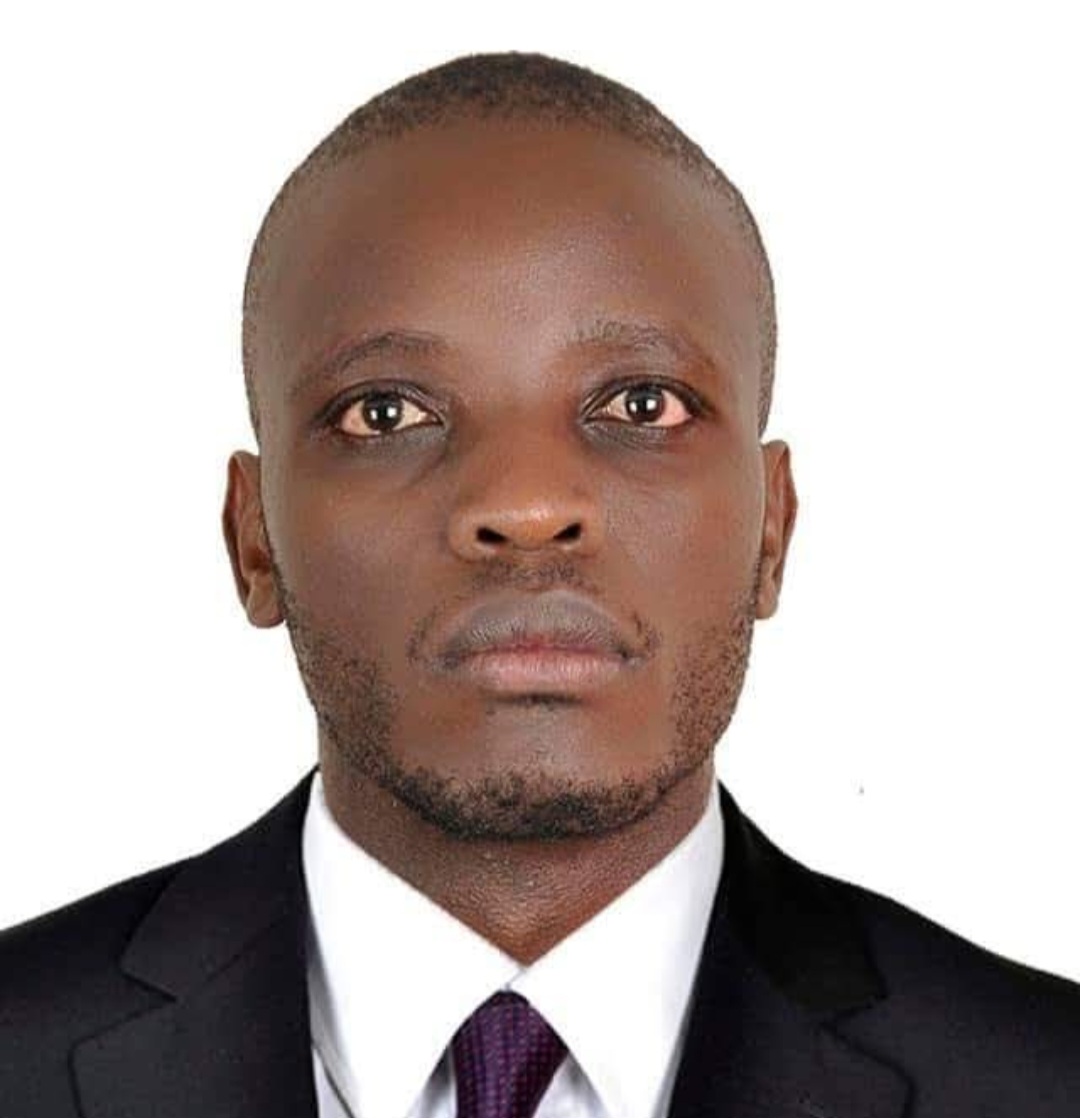
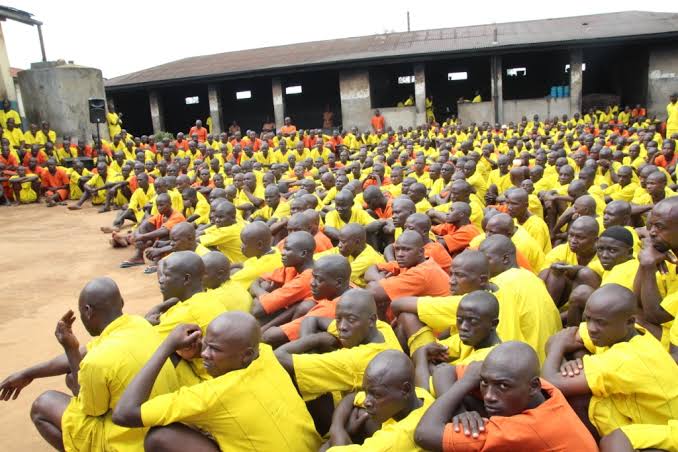
Kampala, Uganda – Just days after Uganda’s heated January 15 general elections, well-known NRM critic and academic Yusuf Serunkuma is pushing the opposition National Unity Platform (NUP) to cut a deal with President Yoweri Museveni’s government for the release of detained political prisoners. In a pointed X post, Serunkuma stressed that smart negotiations could turn NUP’s parliamentary wins into real action without looking like a sellout, especially as prisons swell with party loyalists.
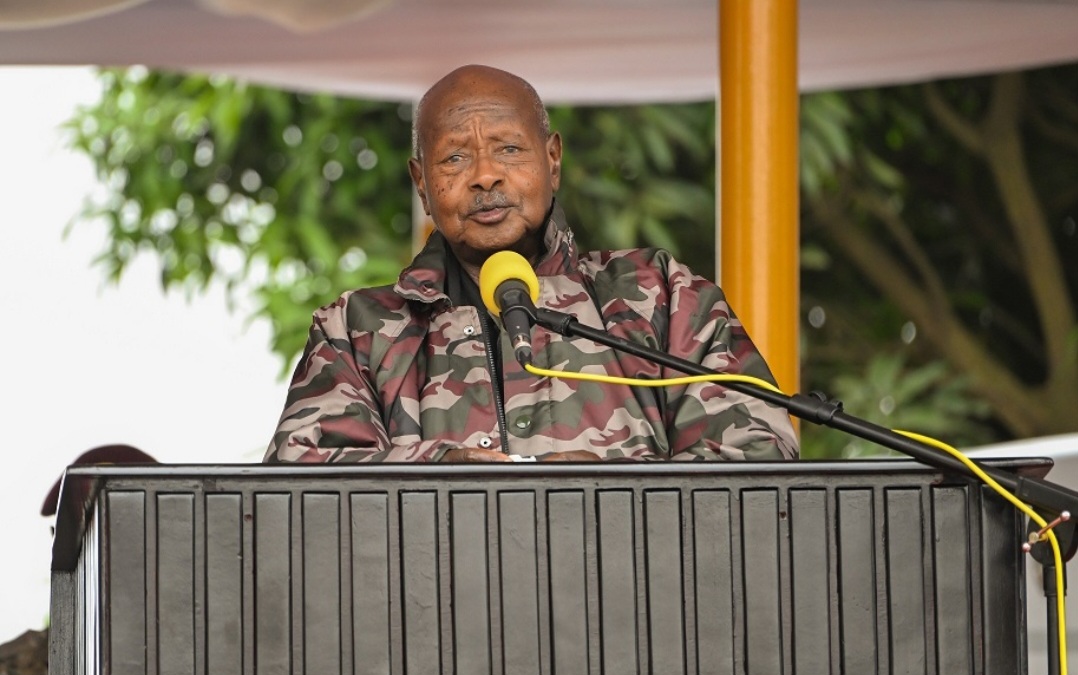
The vote handed Museveni, now 81 and head of the National Resistance Movement (NRM), a seventh term with 7.95 million votes – about 71.65% of the total. His main rival, NUP leader Robert Kyagulanyi (better known as Bobi Wine), pulled in 2.74 million votes, or 24.72%, but quickly cried foul, pointing to ballot stuffing, voter intimidation, and abductions of polling agents. Wine, who’s been in hiding since a reported raid on his home, called the results rigged and urged supporters to protest peacefully. Election observers from the African Union noted no stuffing in spots they checked, but the whole process was overshadowed by a nationwide internet blackout and heavy security presence.
Things got ugly fast after the polls. Human rights groups and media reports claim over 2,000 opposition supporters have been rounded up, with at least 30 killed in clashes with security forces. Army chief Muhoozi Kainerugaba, stirred outrage by tweeting that forces had “killed 30 NUP terrorists” and hinting Bobi Wine could be next. This echoes the pre-vote repression, where hundreds of NUP folks were arrested since campaigning kicked off, often on trumped-up charges like inciting violence or terrorism. Key NUP figures like MP Muhammad Muwanga Kivumbi have been nabbed, accused of stirring attacks on police and tally centers – claims the party flat-out denies.
UN High Commissioner for Human Rights Volker Türk slammed the escalating clampdown, calling out arbitrary arrests, excessive force, and curbs on free speech that marred the run-up to the vote. Amnesty International and others echoed that, labeling it a bid to crush dissent amid packed prisons and reports of torture.
Serunkuma’s pitch leans on Marxist ideas about unequal power, arguing autocrats like Museveni play by their own rules. “It’s not giving in; it’s playing the hand you’ve got,” he posted, cautioning that stonewalling talks might alienate jailed supporters desperate for freedom.
His words hit hard because Serunkuma’s no lightweight – he’s a sharp NRM critic with solid creds. A PhD holder in social and cultural anthropology from Martin Luther University Halle-Wittenberg in Germany, he’s a postdoctoral fellow at KU Leuven in Belgium and teaches decolonial studies at Makerere University. Drawing from his dad’s layoff during 1990s privatizations, Serunkuma skewers how IMF and World Bank policies gutted Uganda’s dreams post-independence, fueling his takes on economic ruin under NRM rule.
As a columnist for The Observer and contributor to outlets like Review of African Political Economy and Pan-African Review, he’s blasted Museveni’s “ruinous staggerings” since 1986. He’s also a playwright – his 2014 hit The Snake Farmers is studied in East African schools – and an editor at Fountain Publishers, blending sharp intellect with activism. His new book, Surrounded: Democracy, Free Markets and Other Entrapments of New Colonialism, digs into these themes.
The post sparked debate: some back negotiations to ease the humanitarian mess, others worry it’ll weaken NUP’s fight. With global pressure building for reforms and releases, NUP’s path forward – parliament or protest – could reshape Uganda’s tense politics.
Do you have a story in your community or an opinion to share with us: Email us at Submit an Article