WATCHDOG UGANDA
Miguna Miguna Blasts Robert Kyagulanyi’s Capitol Hill Photo-Op: “Wrong Place to Start” for a True Pan-African Freedom Fighter
A storm is brewing across Africa’s political and ideological landscape after Kenyan lawyer and exiled activist Miguna Miguna launched a blistering attack on Ugandan opposition leader Robert Kyagulanyi, popularly known as Bobi Wine, over his high-profile appearance in Washington DC.
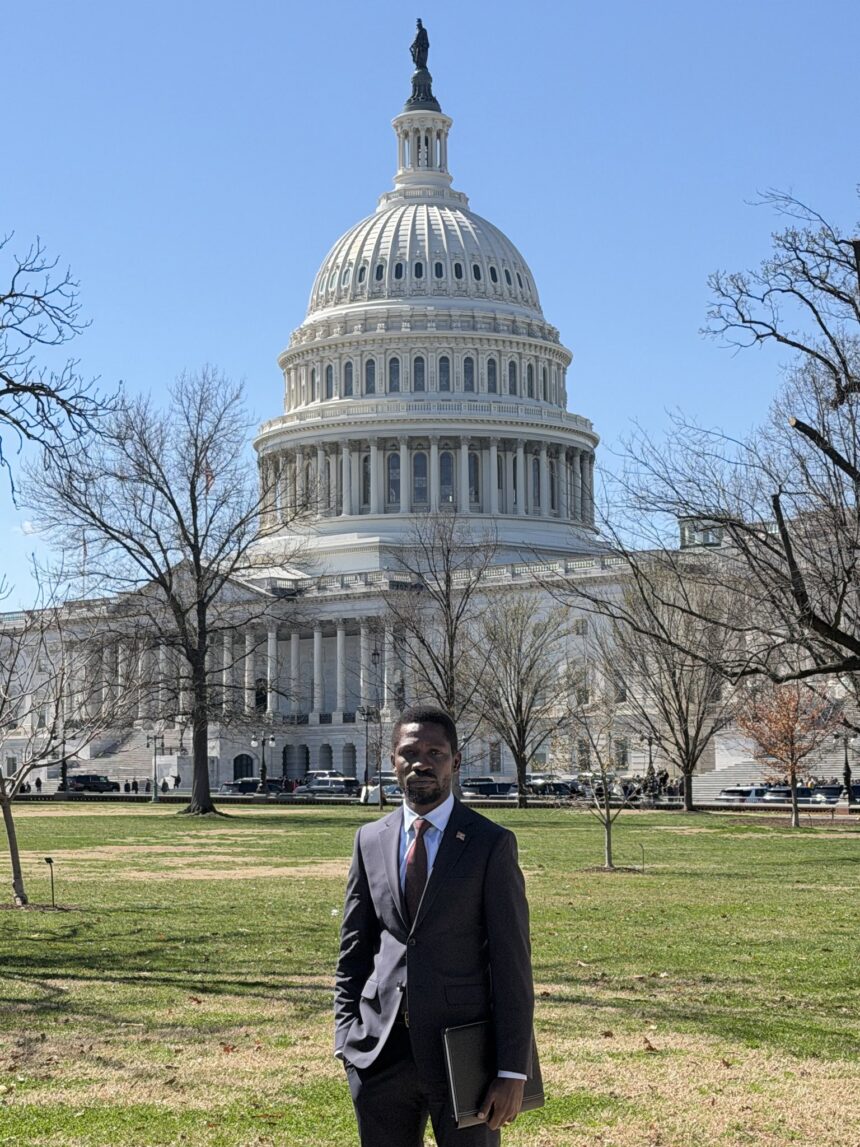
At the center of the controversy is a polished image posted by Kyagulanyi on social media—suited, composed, and standing before the iconic United States Capitol. In his caption, he announced the start of his “international engagements” on Capitol Hill, rallying global attention under the hashtag #FreeUgandaNow.
But what was intended as a diplomatic signal of international lobbying has instead triggered a fierce ideological backlash.
“Wrong Place to Start”
Miguna did not mince words.
“The wrong place to start and pose for images,” he wrote on X. “Washington DC is the headquarters of imperialism… No legitimate Pan-African or Freedom Fighter takes pride in that citadel.”
The remarks struck a nerve, quickly igniting debate among activists, intellectuals, and political observers across the continent.
When pressed on where Kyagulanyi should have launched his campaign, Miguna pointed to Ouagadougou—a symbolic nod to revolutionary African resistance and a rejection of Western political influence.
A Deeper Ideological Clash
This is no ordinary political spat. It cuts to the core of a long-standing ideological divide within African liberation movements: whether meaningful change can be pursued through Western power centers or must be rooted entirely within African solidarity.
For decades, Pan-African thinkers have warned of the dangers of external influence shaping African struggles. Critics argue that Western capitals often present themselves as allies of democracy while simultaneously sustaining the very systems that entrench authoritarian rule on the continent.
Miguna’s criticism taps directly into that tradition—challenging not just Kyagulanyi’s tactics, but the philosophical direction of Uganda’s opposition movement.
Pragmatism vs. Principle
Supporters of Kyagulanyi, however, see the move differently.
They argue that Uganda’s political reality demands a global strategy. With shrinking civic space at home and increasing risks for opposition actors, international advocacy is viewed as a necessary tool to amplify pressure on the government.
From this perspective, engaging policymakers in Washington is not betrayal—it is pragmatism.
Yet critics remain unconvinced.
They question whether appearances in Western capitals translate into tangible outcomes—or simply reinforce dependency on foreign validation. The optics, they argue, risk undermining the authenticity of a grassroots struggle rooted in the lived experiences of ordinary Ugandans.
Shifting Strategy
Kyagulanyi’s Washington visit marks a notable shift in approach.
After weeks in hiding following the disputed 2026 elections, the National Unity Platform leader now appears to be pivoting toward diplomatic engagement and international lobbying.
Government insiders have reportedly dismissed the move as politically insignificant. But among the public, reactions are mixed—and increasingly intense.
For some, the image at Capitol Hill symbolizes global recognition. For others, it raises uncomfortable questions about the direction of Uganda’s resistance politics.
The Bigger Question
At stake is more than a single photograph.
Can a movement seeking to dismantle entrenched power structures rely on the very global systems accused of sustaining them?
Is international solidarity a tool for liberation—or a subtle form of influence?
And ultimately, where should Africa’s struggles be fought—and won?
Watchdog Perspective
Watchdog Uganda has consistently stood against oppression, electoral injustice, and the shrinking democratic space in Uganda.
But accountability must be universal.
Even those who claim to represent change must be subjected to scrutiny—especially when their actions carry symbolic and strategic weight.
The debate sparked by Miguna Miguna is not about personalities. It is about principle, direction, and the future of African self-determination.
The continent is watching.
And as history has repeatedly shown, the path to true liberation is never neutral—it is chosen.
The Watchdog is on duty.
Do you have a story in your community or an opinion to share with us: Email us at Submit an Article