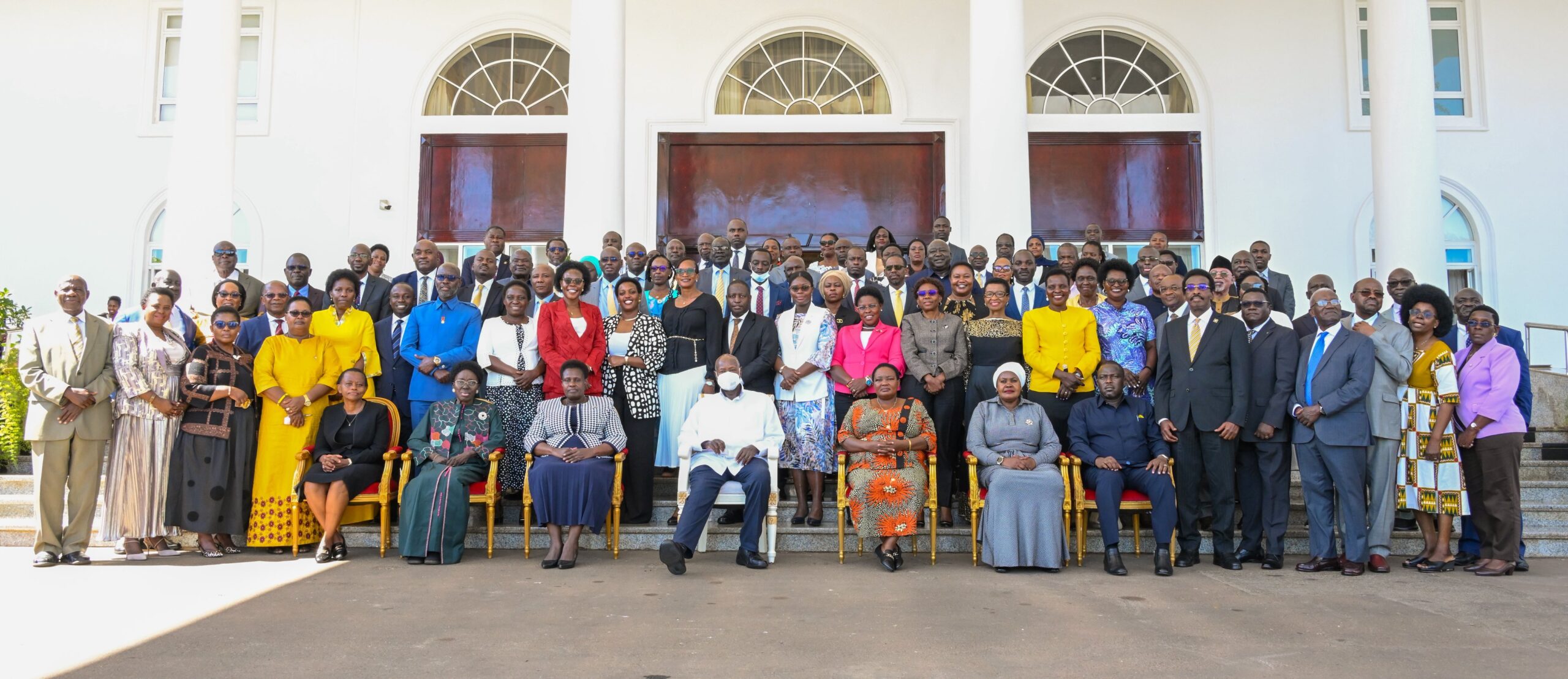
Kampala – The Ugandan government has announced a three-day nationwide interfaith prayer program scheduled for May 8–10, 2026, as a spiritual prelude to the swearing-in of Yoweri Kaguta Museveni on May 12 at Kololo Ceremonial Grounds.
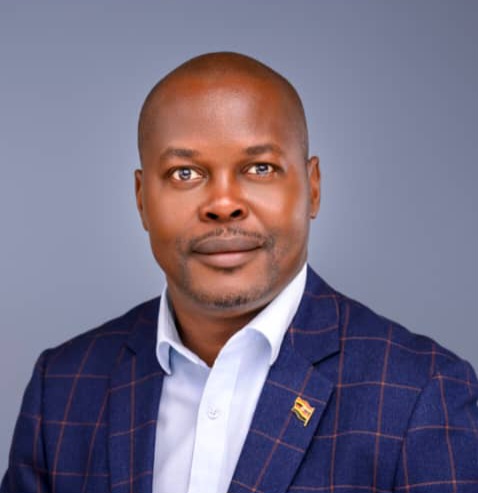
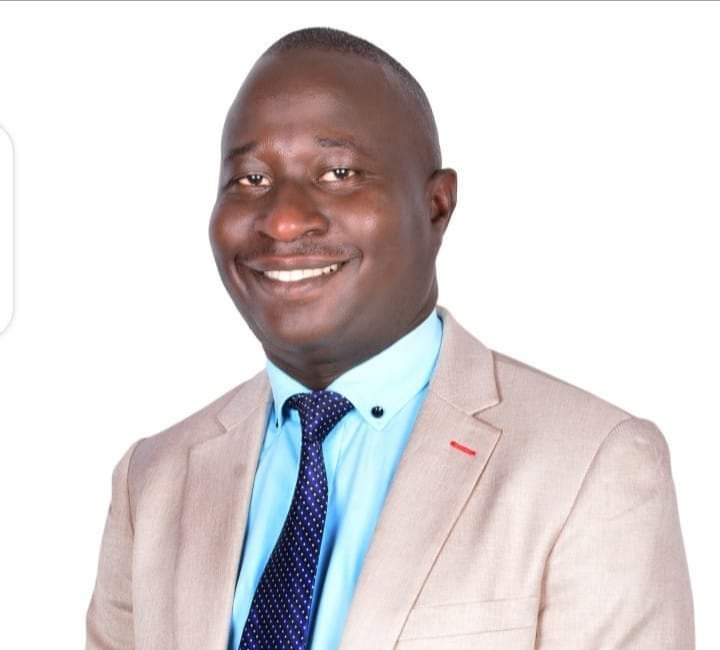
The initiative was confirmed by Haji Yunus Kakande, the Permanent Secretary in the Office of the President, who indicated that government officials across the country are expected to participate. According to the program, prayers will be held in mosques on May 8, Seventh-day Adventist Church congregations on May 9, and in other Christian churches on May 10, with government representatives attending services nationwide.
Kakande described the exercise as an opportunity for the country to seek divine guidance as it enters a new political term. He emphasized prayers for national unity, stability, and the President’s leadership over the next five years, noting that global uncertainties—from economic shocks to ongoing conflicts—require both policy focus and spiritual reflection.
State broadcaster Uganda Broadcasting Corporation and other official channels have framed the prayers as a unifying national moment, bringing together Uganda’s diverse religious communities ahead of a significant constitutional milestone.
However, the announcement has sparked debate among sections of the public and opposition voices. Critics question the timing and cost of the initiative, arguing that government-led mobilization for prayers risks blurring the line between state and religion. Others contend that participation by public officials should remain voluntary to avoid perceptions of coercion.
On social media, some Ugandans expressed skepticism about the impact of such initiatives on pressing national concerns, including youth unemployment, healthcare gaps, and education challenges. A section of commentators also pointed to longstanding governance debates, suggesting that symbolic actions should be matched with tangible policy outcomes.
Supporters, on the other hand, defend the program as consistent with Uganda’s multi-faith character. They argue that national prayers have historically accompanied major events and can serve as a platform for promoting peace, unity, and collective reflection, especially during political transitions.
Uganda has previously witnessed similar religious mobilization around key national moments, reflecting the enduring influence of faith in public life. As the inauguration approaches, attention will likely focus on whether the initiative strengthens national cohesion or adds to ongoing discussions about the appropriate balance between religion and state affairs.
With the country navigating both domestic challenges and a shifting global environment, the interplay between spiritual solidarity and policy action remains a live conversation.
Do you have a story in your community or an opinion to share with us: Email us at Submit an Article