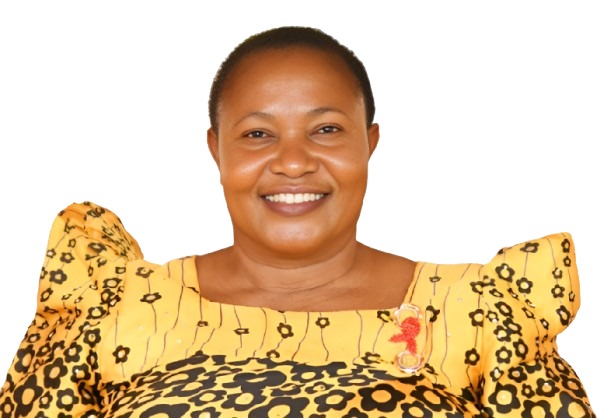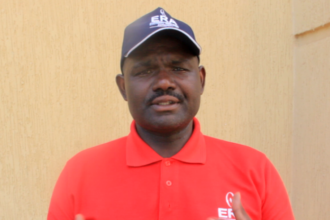

Juba, South Sudan – February 7, 2026In a spectacle blending deep-rooted Dinka traditions with modern extravagance, South Sudanese businessman Thon Chol Riak has married Atong Aguto Monyroor after outbidding a rival suitor in a high-stakes dowry competition.
The wedding, held on February 1, 2026, in Juba, saw Riak’s Abang community pledge an astonishing $77,000 in cash (equivalent to about 273 million Ugandan shillings at current rates), 297 cows, plots of land, additional assets, and educational sponsorships for two of the bride’s in-laws. This eclipsed the rival’s offer from the Awulian community, which included $25,000 cash (around 89 million Ugandan shillings), 158 cows, 161 goats, several sheep, a town bungalow, seven plots of land, two vehicles, and more.
The event, rooted in Dinka cultural practices where marriage is a communal affair symbolizing clan prestige and alliances, has captivated social media and sparked intense discussions across East Africa. In Dinka tradition, dowries—primarily cattle—represent honor and the bride’s value, fostering inter-family bonds. However, critics argue this “bride pricing” has escalated into commercialization, making marriage inaccessible for many young men in a country grappling with poverty and conflict.Online reactions highlight the controversy. Many praised the cultural display, viewing it as a testament to communal strength.
Others decried it as wasteful, especially in South Sudan, the world’s poorest nation, where over 80% live below the poverty line and millions face food insecurity.
One commenter questioned potential corruption, noting, “Just imagine a man paying 77K and over 200 cows in the world’s poorest nation… involved in the looting of the country revenues.”
Another highlighted the irony: after traditional negotiations, the couple held a white wedding, blending indigenous customs with Western influences.
From a Ugandan perspective, this story resonates deeply, echoing debates over bride price in our own communities like the Acholi or Karamojong, where similar customs can burden families amid economic hardships.
Uganda hosts over 900,000 South Sudanese refugees, many fleeing war and economic hardship. Critics point out the stark contrast: while families in refugee camps like those in northern Uganda struggle for basics, such lavish dowries underscore inequality. Women’s rights advocates argue these practices perpetuate gender disparities, treating women as commodities and exacerbating issues like early marriages and cattle raids.
Experts warn that soaring dowries—now often exceeding hundreds of cows and tens of thousands in cash—fuel social tensions. In 2021, South Sudan’s government attempted to cap bride prices, but enforcement remains weak amid cultural resistance. Riak’s wedding, while celebratory, reignites calls for reform to make marriage equitable.
As East Africa watches, this union serves as a reminder of tradition’s enduring pull against modern economic realities.
Whether it signals progress or perpetuates divides remains debated, urging Ugandans to reflect on our own cultural evolutions in the face of regional ties.
Do you have a story in your community or an opinion to share with us: Email us at Submit an Article