Kampala – The Ministry of ICT and National Guidance has defended the government’s decision to temporarily shut down internet services during the January 2026 general elections, saying the move was necessary to curb misinformation and safeguard public safety.
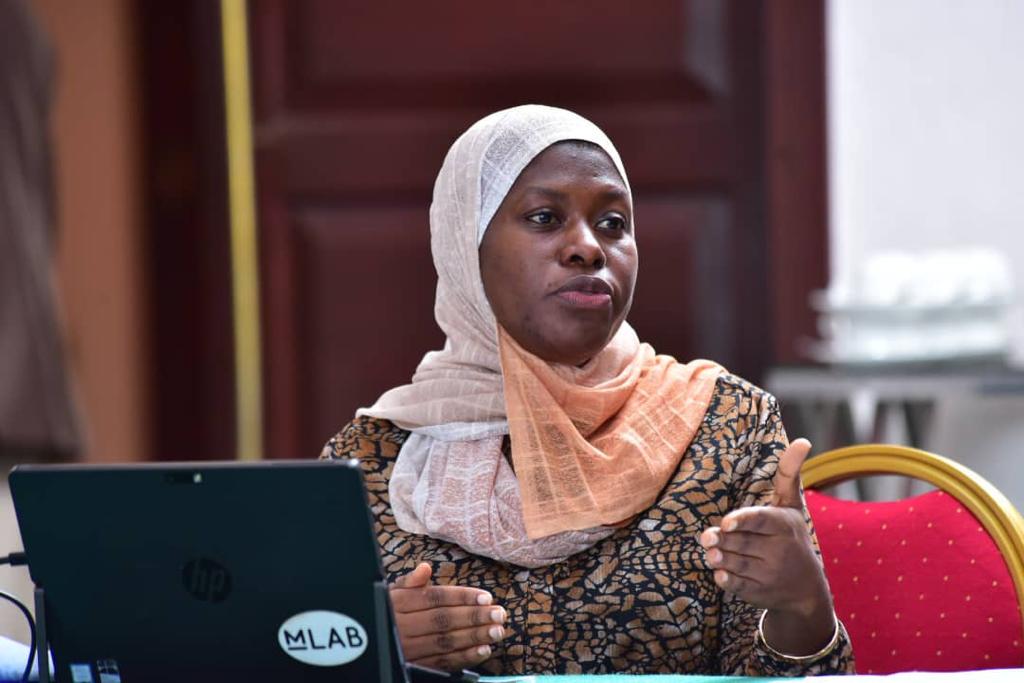
Speaking during a recent ministry briefing, Permanent Secretary Aminah Zawedde said the shutdown was a precautionary measure aimed at protecting national stability and preserving the integrity of the electoral process.
According to Zawedde, authorities observed a spike in coordinated online campaigns spreading false information in the days leading up to the polls, raising concerns that such content could incite violence and undermine public trust in the elections.
“In the lead-up to the elections, we observed a surge in coordinated efforts to disseminate false information that could incite violence and undermine public confidence,” Zawedde said. “Our priority was to ensure a peaceful environment where Ugandans could vote without manipulated narratives fueling unrest.”
The internet blackout ran from January 13 to January 18, covering the peak of election activities including polling day on January 15.
However, the decision drew criticism from civil society groups and international rights organizations such as Amnesty International and Human Rights Watch, which argued that the shutdown undermined freedom of expression and restricted democratic participation.
Government officials, on the other hand, maintain that the temporary disruption was a targeted intervention aimed at preventing the rapid spread of harmful content during a sensitive political period.
Zawedde, a computer scientist who has played a key role in Uganda’s digital transformation agenda, said the ministry sought to strike a balance between security concerns and access to information. She noted that essential communication channels, including emergency services, remained operational through alternative systems during the shutdown.
“This was not about silencing voices but about protecting the public from harmful misinformation during a highly sensitive period,” she said.
The internet shutdown has since attracted attention in Parliament, with legislators including Asuman Basalirwa and Gorreth Namugga demanding clarity on who authorized the directive.
In response, Zawedde said the ministry is prepared to provide explanations to Parliament as part of ongoing oversight and accountability processes.
“We are ready to engage Parliament and provide the necessary information regarding the decisions that were taken,” she said.
Critics argue that the shutdown disrupted businesses, communication services and civic engagement, with some analysts estimating that the country lost millions of dollars in economic activity during the five-day blackout.
Despite the concerns, government officials insist the decision contributed to maintaining calm during the electoral period.
The debate comes as Uganda continues to review its digital governance framework, including proposed amendments to the Computer Misuse Act, aimed at strengthening cybersecurity and regulating online conduct.
As discussions continue, the government maintains that measures taken during the election period were intended to protect national stability while safeguarding the credibility of the electoral process.
Do you have a story in your community or an opinion to share with us: Email us at Submit an Article