Kampala – The airwaves of Uganda’s premier academic institution hummed with renewed energy this week as Makerere University’s Campus FM burst back onto 107.7 FM after a staggering 14 years of silence. This landmark revival, hailed as a “game-changer” for journalism training, stands as a testament to the visionary leadership of Vice Chancellor Prof. Barnabas Nawangwe, whose unwavering commitment has bridged decades of dormancy with a bold future in media innovation.
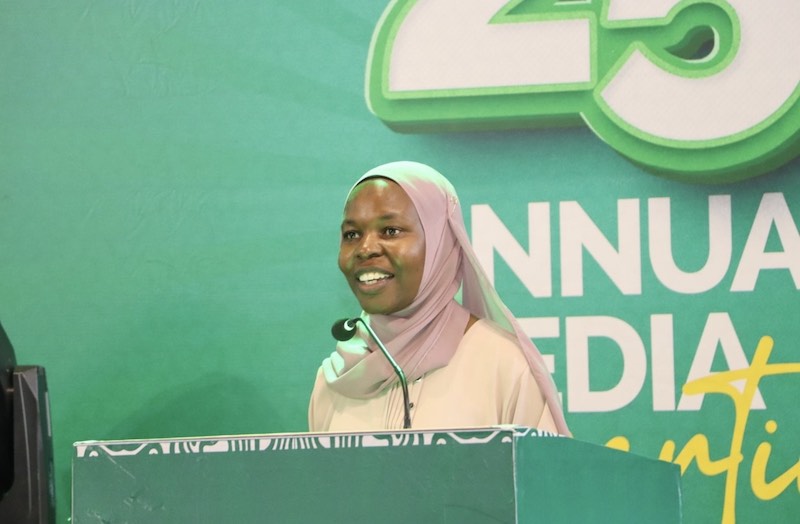
The station’s resurrection was unveiled by Dr. Aisha Nakiwala, Head of the Department of Journalism and Communication, during the university’s 25th Annual Media Convention. The event, themed “Responsible Communication and Media Reporting in Uganda Elections,” drew partners like the Uganda Communications Commission (UCC), Public Relations Association of Uganda (PRAU), and media giants New Vision and Daily Monitor. Delegates erupted in applause as Nakiwala credited university brass for clearing the path, but it was Prof. Nawangwe’s pivotal role that stole the spotlight.
Campus FM first flickered off in 2009, silenced by mounting UCC license fees—Shs 3 million annually—that ballooned to Shs 15 million, culminating in a 2011 revocation. For over a decade, aspiring broadcasters at Makerere, Africa’s oldest university, navigated theory without the thrill of live mics. Enter Prof. Nawangwe, whose tenure since 2017 has been marked by audacious infrastructure pushes, from research revivals to hall reopenings. As Dean Prof. Saudah Namyalo beamed, “I’m 100% sure that the vice chancellor is willing to help the department establish a TV station.” She spotlighted Nawangwe’s orchestration of a transformative 2024 visit to Al Qasimia University’s cutting-edge media labs in the UAE, a trip that ignited blueprints for a Makerere TV launch within one to two years.
Prof. Nawangwe’s hands-on zeal shone brighter in February 2025, when he personally convened with the FM revival team, as shared on his LinkedIn: a move underscoring his architect’s precision in rebuilding Makerere’s media ecosystem. “It’s a good move,” echoed a commenter reminiscing from 2008 broadcasts, capturing the nostalgia Nawangwe has masterfully revived. His accolades, including the 2024 African Leadership Magazine Person of the Year Award, affirm a legacy of fostering innovation amid fiscal tightropes.
Students are abuzz. Fourth-year communicator Moses Bolibo called it “a real blessing,” easing internship woes with hands-on airtime. First-year Sarah Kirikumwino hailed the “milestone” for digital-era ethics, crediting it with arming youth against misinformation. The convention capped with student awards, from photography honors to PRAU memberships, signaling a vibrant pipeline Nawangwe has nurtured.
But the revival’s true resonance lies in its ripple effects on Uganda’s media ecosystem. Campus radios like Makerere’s serve as vital teaching aids, offering students real-world broadcasting experience that hones skills in ethical reporting and production—essential for bridging the gap between classroom theory and industry demands. In a nation where radio remains a primary information source, this platform will amplify civic education on elections, health, and community issues, empowering youth to combat misinformation and foster informed discourse. By nurturing talent through internships and partnerships, it positions Makerere as an innovation hub, potentially revolutionizing Uganda’s journalism pipeline and bolstering democratic voices at the grassroots level.
Under Nawangwe’s stewardship—reaffirmed in a recent press briefing on strategic acquisitions—Makerere isn’t just broadcasting; it’s broadcasting excellence. As Campus FM tunes into elections and beyond, Prof. Nawangwe deserves resounding flowers: a leader who silenced doubts, amplified dreams, and etched his name in Uganda’s media renaissance. Tune in—107.7 FM is alive, and so is Makerere’s voice.
Do you have a story in your community or an opinion to share with us: Email us at Submit an Article