
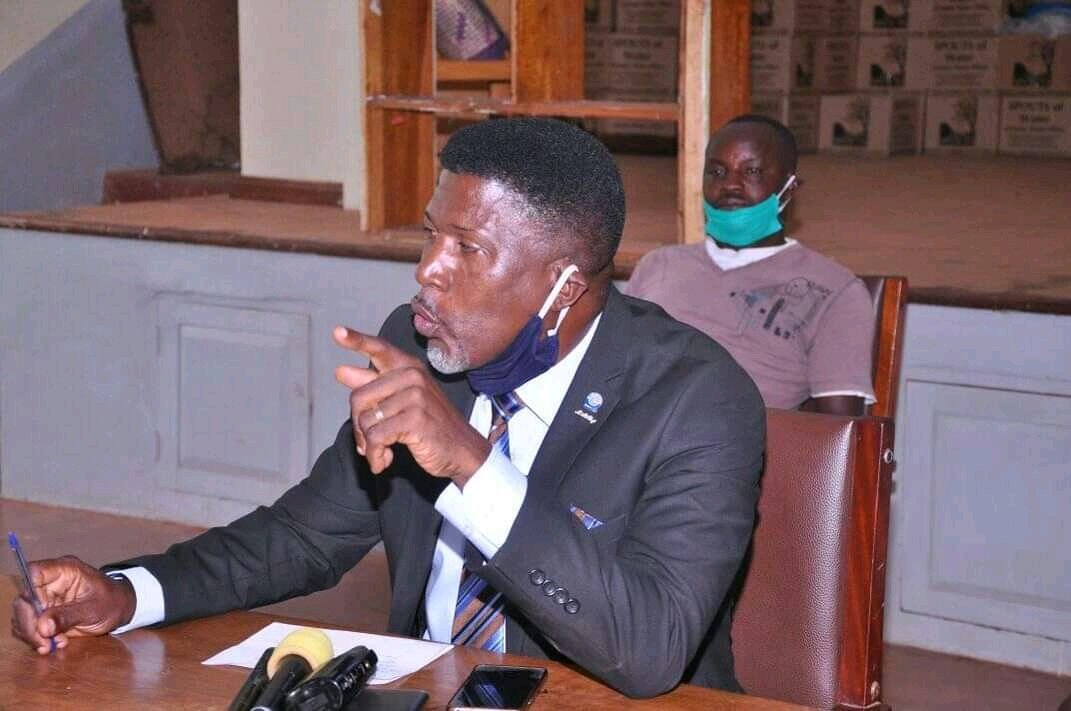
When Erias Lukwago finally bows out and Balimwezo steps in as the new Lord Mayor of Kampala Capital City, the symbolism is irresistible. Kampala, famously built on seven hills, now confronts a different set of “seven hills” — entrenched problems that will define Balimwezo’s tenure more than campaign slogans or inaugural speeches ever could.
This is not just a change of guard at City Hall. It is a test of whether Kampala can finally move from permanent crisis management to purposeful urban leadership.
1. A Fractured City Hall
Balimwezo inherits a deeply divided governance structure. The long-standing tension between the political wing (the Lord Mayor and councillors) and the technocratic arm (KCCA executives appointed by central government) remains unresolved. Lukwago’s tenure was largely consumed by trench warfare with KCCA technocrats, paralysing service delivery.
Balimwezo’s first hill is trust-building: can he negotiate authority without surrendering political legitimacy? Without a functional working relationship at City Hall, even the best ideas will die in committee rooms.
2. Chronic Garbage and Sanitation Failure
Kampala’s waste problem is no longer just an environmental issue; it is a public health emergency. Overflowing skips, illegal dumping, and the collapse of household-level waste sorting have turned entire suburbs into breeding grounds for disease.
Balimwezo must decide whether to reform garbage collection contracts, decentralise waste management to divisions, or rethink incentives for private players. This hill demands action, not press statements — and it will quickly define public perception of his leadership.
3. Traffic Chaos and Urban Mobility
From Nakawa to Nateete, traffic congestion has become a daily punishment for Kampala residents. Poor road maintenance, unchecked roadside trading, lack of pedestrian infrastructure, and weak enforcement have turned simple commutes into endurance tests.
Balimwezo faces a painful truth: there is no traffic solution without political courage. Evicting encroachers, enforcing parking rules, and prioritising public transport will attract resistance. But avoiding the fight only guarantees gridlock.
4. Flooding and Climate Vulnerability
Every rainy season exposes Kampala’s structural neglect. Flooded roads, submerged markets, and destroyed homes are now routine headlines. Drainage channels are either blocked, poorly designed, or completely absent in fast-growing settlements.
This hill requires long-term planning, not emergency excavators after the damage is done. Climate resilience must move from donor language into city budgets, zoning enforcement, and housing policy.
5. Informality, Unemployment, and Survival Economies
Kampala survives on informality — boda bodas, street vendors, market traders — yet governs as if these livelihoods are illegal inconveniences. Repeated crackdowns have failed because they ignore economic reality.
Balimwezo must confront a politically sensitive question: how do you regulate informality without criminalising poverty? A Lord Mayor who can integrate survival economies into city planning will earn legitimacy where force has failed.
6. Corruption and Public Distrust
KCCA has never shaken off allegations of procurement corruption, selective enforcement, and opaque decision-making. For many residents, City Hall represents power without accountability.
Balimwezo’s integrity will be measured not by speeches about corruption, but by transparency in contracts, enforcement consistency, and willingness to confront vested interests — including within his own political base.
7. Managing Expectations in a Politically Charged City
Perhaps the hardest hill is expectation itself. Kampala residents are impatient, politically alert, and deeply sceptical. They have seen Lord Mayors rise as heroes and exit as martyrs or disappointments.
Balimwezo must balance symbolism with substance. He cannot be everywhere, fix everything, or please all sides. But he can choose clarity: what will he prioritise, what will wait, and what is simply beyond his control?
The Verdict Ahead
Balimwezo takes office not as a revolutionary, but as a realist stepping into a city exhausted by promises. His success will not be measured by how loudly he fights, but by how strategically he governs.
Kampala’s seven hills are steep. But they are not insurmountable — if the Lord Mayor understands that leadership in this city is not about drama, but delivery.
Do you have a story in your community or an opinion to share with us: Email us at Submit an Article