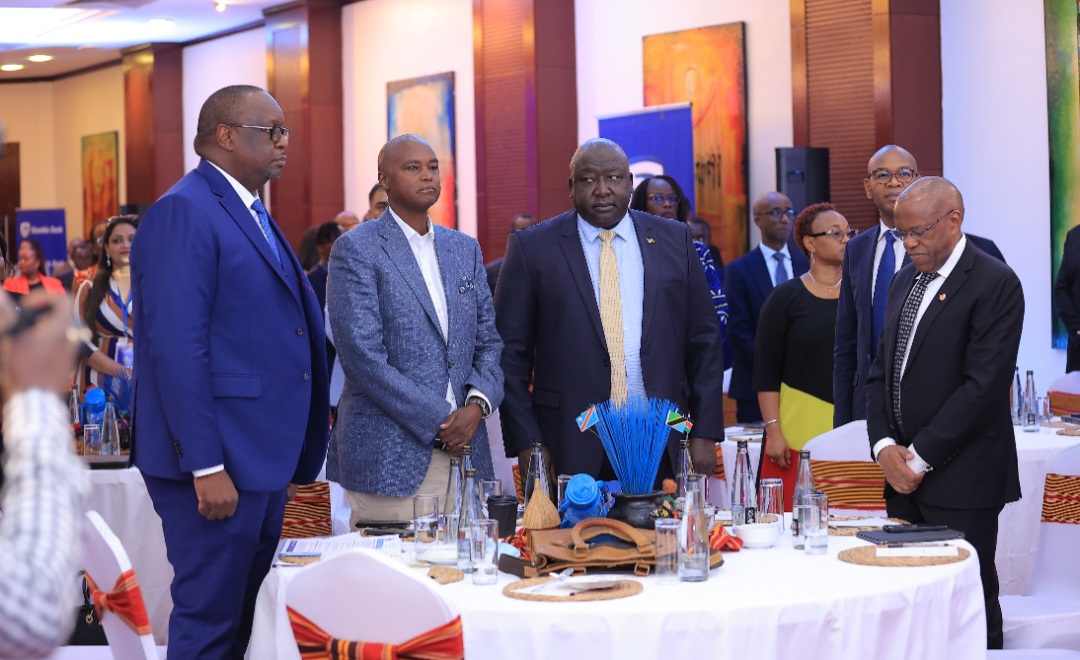
On September 17, 2025, President Yoweri Kaguta Museveni once again reassured the people of Teso. At State House Entebbe, flanked by the Vice President, Members of Parliament, and cultural leaders, he endorsed the recommendations of a two weeks’ consultation report on the long-delayed cattle compensation program. With optimism, the president described the proposals as “realistic, inclusive, and transformative.”
At the heart of this new framework lies a simple idea: each household in Teso should receive five cows—or their cash equivalent—to compensate for the livestock lost during insurgencies and cattle raids. On paper, the scheme appears fairly well conceptualised and corresponds with Yoweri Museveni’s long term vision of poverty reduction and socioeconomic transformation. Nearly half a million households in the twelve districts of Teso would, in theory, effectively benefit. The unelected cultural leaders welcomed it, the politicians praised it, and the government promised a renewed focus on transparency.
However, behind the speeches and photo opportunities lies a harder truth: this is yet another poverty reduction scheme destined to stumble. The history of restocking and compensation programs in rural Uganda more broadly tells us as much a different story. The current plan risks repeating the same cycle of predictability; corruption, elite capture, unrealistic promises, and structural neglect that has left the sub-region poor despite decades of government intervention.
A familiar cycle of symbolism
The cattle compensation drive is not a new idea. Since the early 2000s, multiple programs have been launched to address the devastation caused by war and cattle rustling in Teso, Lango, and Acholi. Each time, resources have been poured into livestock distribution or cash payouts. Each time, the programs collapsed under corruption scandals, ghost beneficiaries, and poor monitoring. The latest proposal looks less like innovation and more like recycling a failed template.
The decision to award “five cows per household” illustrates the program’s symbolic character. For an average household struggling with land fragmentation, poor pasture, limited veterinary services, and rising of drought, five cows are hardly transformative. Without investment in water systems, grazing land, or extension services, the cattle are likely to die, be sold off cheaply, or become a source of conflict within families. Poverty cannot be addressed by animals alone, it could partly be addressed when households can turn those animals into sustained income, food security, and productive assets.
Corruption and elite capture
The two weeks of consultations were, by any measure, inadequate to generate a robust and technically sound report capable of addressing the deep-seated complexities surrounding government programs in rural Uganda. Development planning requires more than hurried meetings and politically staged discussions. A serious poverty reduction and restocking framework would have demanded independent, evidence-driven research conducted over several months, not weeks. The composition of the consultation team; mainly handpicked political and cultural figures, further limited its credibility. With little technical expertise in development economics, livestock management, or poverty reduction policy, the team was set up to produce predictable outcomes rather than innovative solutions.
Best practice in policy design calls for open, competitive processes in constituting such teams, where credible research institutions, independent consultants, and civil society actors are invited to provide input. This is how the World Bank, under President Robert McNamara, approached its own crisis of legitimacy in 1968 when it appointed former Canadian Prime Minister Lester B. Pearson to lead an exhaustive eleven-month global review of poverty reduction failures. The Pearson Commission’s recommendations shaped global development thinking for decades, though, unfortunately, fifty years later, the Bank is still trying to eradicate poverty in the global South. By contrast, Hon Alupo’s approach—two weeks of closed-door consultations, risks producing superficial fixes that neither confront the roots of poverty nor strengthen institutional accountability.
Vice President Hon. Jessica Alupo and the cultural leaders’ delegation should have taken more time, detailing tasks of addressing “corruption and inefficiency” in the existing compensation program. Yet their report offered no enforceable mechanisms for accountability. Merely shifting compensation management to sub-county level will not curb abuse. Uganda’s own history of poverty reduction highlights that decentralized poverty reduction programs without oversight only relocates corruption closer to the community level, where monitoring is even weaker. From Entandikwa, UPE, NAADS to Emyoga, Youth Livelihoods and Bona bagawale, these initiatives have been repeatedly undermined by elite capture (what the President casually calls parasites), middlemen diverting resources, and politically manipulated beneficiary lists. Ordinary households are left with broken promises, while local power broker’s profit.
Gender and household blindness
Another weakness lies in the program’s framing of “male-headed households” as the unit of compensation. President Museveni himself suggested that polygamous families could simply “share cows later,” as if intra-household distribution were a minor technicality. Yet, in Teso and elsewhere, women and children are the backbone of livestock care. To ignore their role—or worse, exclude female-headed households—is to entrench inequality.
In practice, five cows handed to one man in a polygamous household may empower him, but it does little to uplift the women and children whose welfare is supposed to be at stake. If poverty reduction is the goal, then gender equity cannot be an afterthought.
The structural blind spot
At its core, the cattle compensation program suffers from a profound blind spot: it addresses poverty as though it were simply a matter of replacing lost livestock. Yet, poverty in Teso is structural. It is shaped by limited access to markets, poor infrastructure, land degradation, youth unemployment, and vulnerability to climate shocks. Unless these issues are confronted, no number of cows will lift households out of poverty.
A household that receives five cows today may sell them tomorrow to pay school fees, medical bills, or even taxes. Without complementary income streams, families remain trapped in cycles of scarcity. Poverty reduction requires more than restitution—it requires transformation.
The way forward: moving beyond handouts
If government truly seeks to empower Teso, the policy must shift from symbolic handouts to comprehensive, structural investment. Several steps are critical:
Instead of focusing solely on livestock distribution, resources should build productive systems: veterinary services, water for livestock, improved breeds, and pasture management. Cattle should not just be given—they should thrive, multiply, and generate lasting value.
Households should be supported to develop multiple income sources. Integrating livestock with crop farming, Agro-processing, and small enterprises will cushion families against shocks. Microcredit schemes and skills development for youth and women can spread opportunity beyond cattle.
Any new framework must explicitly include women, youth, and vulnerable households. Compensation should not be channelled through patriarchal structures alone. Women’s cooperatives, youth groups, and widows’ associations should be direct beneficiaries of livestock or cash support.
The program requires independent monitoring and digital tracking systems. Community-driven beneficiary registers, civil society oversight, and real-time audits can help close the space for corruption. Without this, elite capture will remain inevitable.
Independent Monitoring and Evaluation (M&E): Establish a non-partisan oversight body, including civil society organizations, local universities, and auditors, to monitor disbursement and track livestock survival rates.
Professionalized program design: Involve technical experts in livestock economics, rural development, and social inclusion to design the scheme, not just hand-picking political allies or cultural leaders.
Finally, compensation must be tied to broader investments—roads, irrigation, education, and markets. Cattle restocking will only yield prosperity if households can access markets, transport milk and meat, and educate their children with the income earned. Poverty reduction requires more than restitution; it demands structural transformation.
Conclusion
The people of Teso deserve justice for the cattle and livelihoods lost during decades of conflict. But justice cannot come in the form of empty promises or politically timed handouts. Five cows per household may sound “inclusive and transformative,” but without structural changes, it will be yet another failed poverty reduction program, destined to join the long list of initiatives that promised much but delivered little.
If government is serious about lifting Iteso out of poverty, it must stop recycling failed approaches. Instead, it must invest in systems, not symbolism; empowerment, not patronage; and structural transformation, not temporary appeasement. Only then can compensation become not just an act of restitution, but a pathway to resilience and prosperity, in line with Yoweri Museveni’s overall vision of socioeconomic transformation.
About the Author:
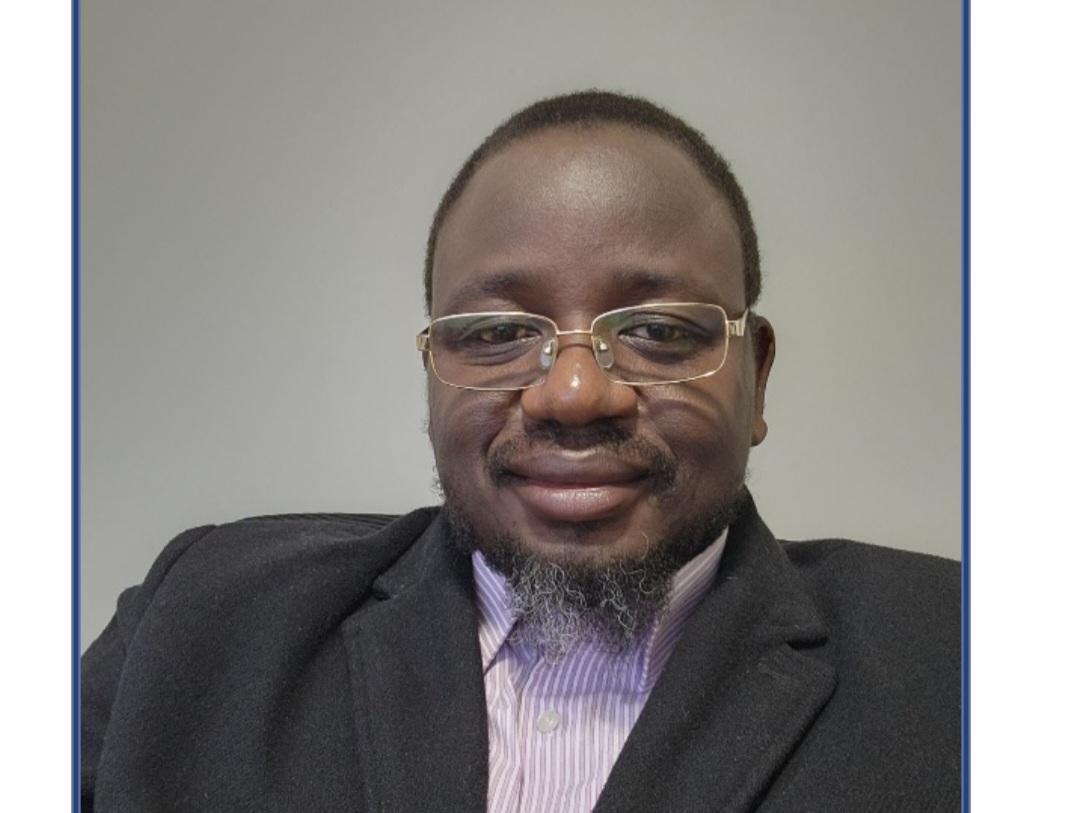
Dr. Samuel B. Ariong (PhD) is a lecturer, researcher, and development policy scholar. Constructive feedback can be emailed to; ariongsb@gmail.com
Do you have a story in your community or an opinion to share with us: Email us at Submit an Article