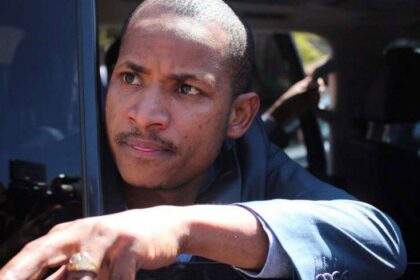

Kampala, Uganda – A petition challenging the nomination of Nakawa West Member of Parliament Joel Ssenyonyi has sparked renewed political debate, drawing reactions from opposition figures and raising questions about the electoral process ahead of the 2026 general elections.
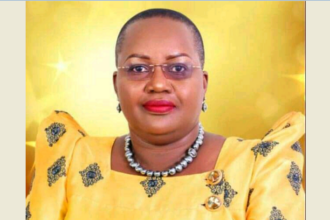
Joan Vumilia, a media executive and aunt to Ssenyonyi, has publicly criticised the petition, describing it as politically motivated rather than an isolated legal challenge.
Speaking in an interview, Vumilia argued that the petition goes beyond the actions of the named petitioner, Ivan Bawowe, and reflects broader political interests.
“I do not believe this petition is purely an individual initiative,” Vumilia said. “There are forces behind it, similar to what has previously happened to other opposition figures.”
She cited the case of musician-turned-politician Mathias Walukaga as an example of what she described as a pattern of legal and administrative challenges faced by opposition candidates.
Vumilia also questioned the credibility and standing of the petitioner, expressing scepticism about his motives and legal basis for the challenge.
“If they never met, then why were they nominated? You also have no vote, so your position is weak,” she said.
The petition comes at a time when several opposition leaders are preparing for the 2026 general elections. Ssenyonyi, who also serves as spokesperson for the National Unity Platform (NUP), is among the party’s most visible figures. Supporters argue that his profile and influence have made him a frequent target of political pressure.
Vumilia further alleged that state institutions, particularly the Electoral Commission (EC), are being used to limit opposition participation in the electoral process. She warned that any decision to disqualify Ssenyonyi could heighten public dissatisfaction. These claims, however, have not been independently verified.
In her remarks, Vumilia drew a distinction between the opposition and the ruling establishment, stating that opposition parties rely largely on public support rather than state power.
Her comments echo long-standing concerns raised by opposition groups about the political environment in Uganda, especially during election periods.
The Electoral Commission has not yet issued a ruling on the petition. Officials have so far declined to comment on the allegations, maintaining that the commission operates within the law and follows established electoral procedures.
As the case awaits determination, reactions continue among political actors and supporters, with many viewing the petition as part of a wider contest over political space ahead of the 2026 general elections.
Do you have a story in your community or an opinion to share with us: Email us at Submit an Article