Sign In
  • UGANDA
  • AFRICA
  • WORLD
watchdog uganda logo
Submit an Article
  • Home
  • News
    • National
    • Politics
    • World News
    • Media Outreach Newswire
    • Africa News
    • Tourism
    • Community News
    • Luganda
    • Sports
      • Football
      • Motorsport
  • Op-Ed
    • #Out2Lunch
    • Conversations with
    • Politics
    • Relationships
  • Business
    • Agriculture
    • CEOs & Entrepreneurs,
    • Companies
    • Finance
    • Products
    • RealEstate
    • Technology
  • Entertainment
    • Lifestyle
  • People
    • Showbiz
      • Salon Mag
  • Special Report
    • Education
    • Voices
  • Reviews
    • Products
    • Events
    • Hotels
    • Restaurants
    • Places
  • Forums
  • Donate
  • China News

Archives

  • January 2026
  • December 2025
  • November 2025
  • October 2025
  • September 2025
  • August 2025
  • July 2025
  • June 2025
  • May 2025
  • April 2025
  • March 2025
  • February 2025
  • January 2025
  • December 2024
  • November 2024
  • October 2024
  • September 2024
  • August 2024
  • July 2024
  • June 2024
  • May 2024
  • April 2024
  • March 2024
  • February 2024
  • January 2024
  • December 2023
  • November 2023
  • October 2023
  • September 2023
  • August 2023
  • July 2023
  • June 2023
  • May 2023
  • April 2023
  • March 2023
  • February 2023
  • January 2023
  • December 2022
  • November 2022
  • October 2022
  • September 2022
  • August 2022
  • July 2022
  • June 2022
  • May 2022
  • April 2022
  • March 2022
  • February 2022
  • January 2022
  • December 2021
  • November 2021
  • October 2021
  • September 2021
  • August 2021
  • July 2021
  • June 2021
  • May 2021
  • April 2021
  • March 2021
  • February 2021
  • January 2021
  • December 2020
  • November 2020
  • October 2020
  • September 2020
  • August 2020
  • July 2020
  • June 2020
  • May 2020
  • April 2020
  • March 2020
  • February 2020
  • January 2020
  • December 2019
  • November 2019
  • October 2019
  • September 2019
  • August 2019
  • July 2019
  • June 2019
  • May 2019
  • April 2019
  • March 2019
  • February 2019
  • January 2019
  • December 2018
  • November 2018
  • October 2018
  • September 2018
  • August 2018
  • July 2018
  • June 2018
  • May 2018
  • April 2018
  • March 2018
  • February 2018
  • January 2018
  • December 2017
  • November 2017
  • October 2017
  • September 2017
  • August 2017
  • July 2017
  • June 2017
  • May 2017
  • April 2017
  • March 2017
  • February 2017
  • January 2017
  • November 2016
  • October 2016
  • September 2016
  • August 2016
  • July 2016
  • September 2015
  • April 2014
  • June 2013

Categories

  • #Out2Lunch
  • Agriculture
  • Big Brother Naija Dairy
  • Business
  • CEOs & Entrepreneurs,
  • China News
  • Community News
  • Companies
  • Conversations with
  • Court
  • culture
  • Deplomacy
  • Education
  • Education
  • Entertainment
  • Entrepreneurs
  • Events
  • Fashion
  • Finance
  • Football
  • Gadgets
  • Health
  • Hotels
  • Innovation
  • Lifestyle
  • Luganda
  • Motorsport
  • National
  • News
  • Op-Ed
  • Opinion
  • People
  • Photos
  • Places
  • Politicians
  • Politics
  • Politics
  • Products
  • Products
  • RealEstate
  • Relationships
  • religion
  • Reports
  • Restaurants
  • Reviews
  • Salon Magazine
  • Showbiz
  • Special Report
  • Sports
  • Stars
  • Technology
  • Tourism
  • Travel
  • Traveler
  • Trips
  • Video
  • Voices
  • World
  • World News
Reading: DENIS MUTEGUYA: Is Uganda Truly Independent? A Reflection on the Realities of Post-Colonial Governance
Share
Watchdog UgandaWatchdog Uganda
Font ResizerAa
  • Home
  • News
  • Op-Ed
  • Business
  • Entertainment
  • People
  • Special Report
  • Reviews
  • Forums
  • Donate
  • China News
Search
  • Home
  • News
    • National
    • Politics
    • World News
    • Media Outreach Newswire
    • Africa News
    • Tourism
    • Community News
    • Luganda
    • Sports
  • Op-Ed
    • #Out2Lunch
    • Conversations with
    • Politics
    • Relationships
  • Business
    • Agriculture
    • CEOs & Entrepreneurs,
    • Companies
    • Finance
    • Products
    • RealEstate
    • Technology
  • Entertainment
    • Lifestyle
  • People
    • Showbiz
  • Special Report
    • Education
    • Voices
  • Reviews
    • Products
    • Events
    • Hotels
    • Restaurants
    • Places
  • Forums
  • Donate
  • China News
Have an existing account? Sign In
Follow US
© 2026 Watchdog Uganda. Ruby Design Compan. All Rights Reserved.
Conversations withPolitics

DENIS MUTEGUYA: Is Uganda Truly Independent? A Reflection on the Realities of Post-Colonial Governance

Kizito Moses Buule
Last updated: 8th October 2024 at 13:01 1:01 pm
Kizito Moses Buule
Share
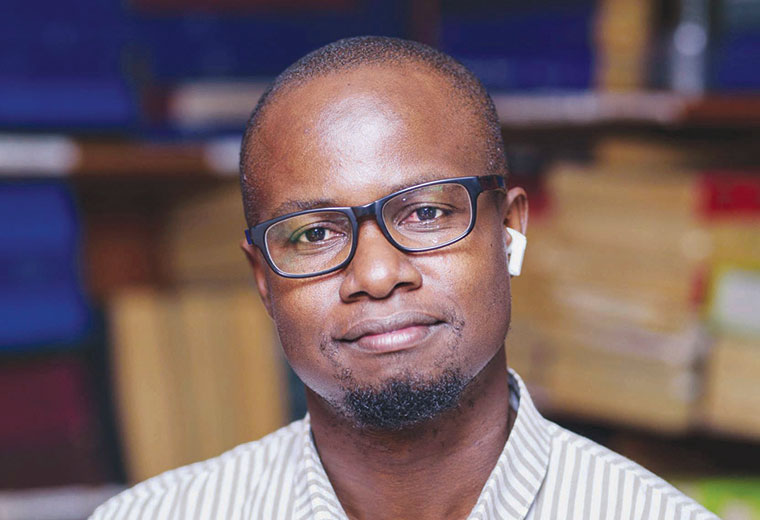
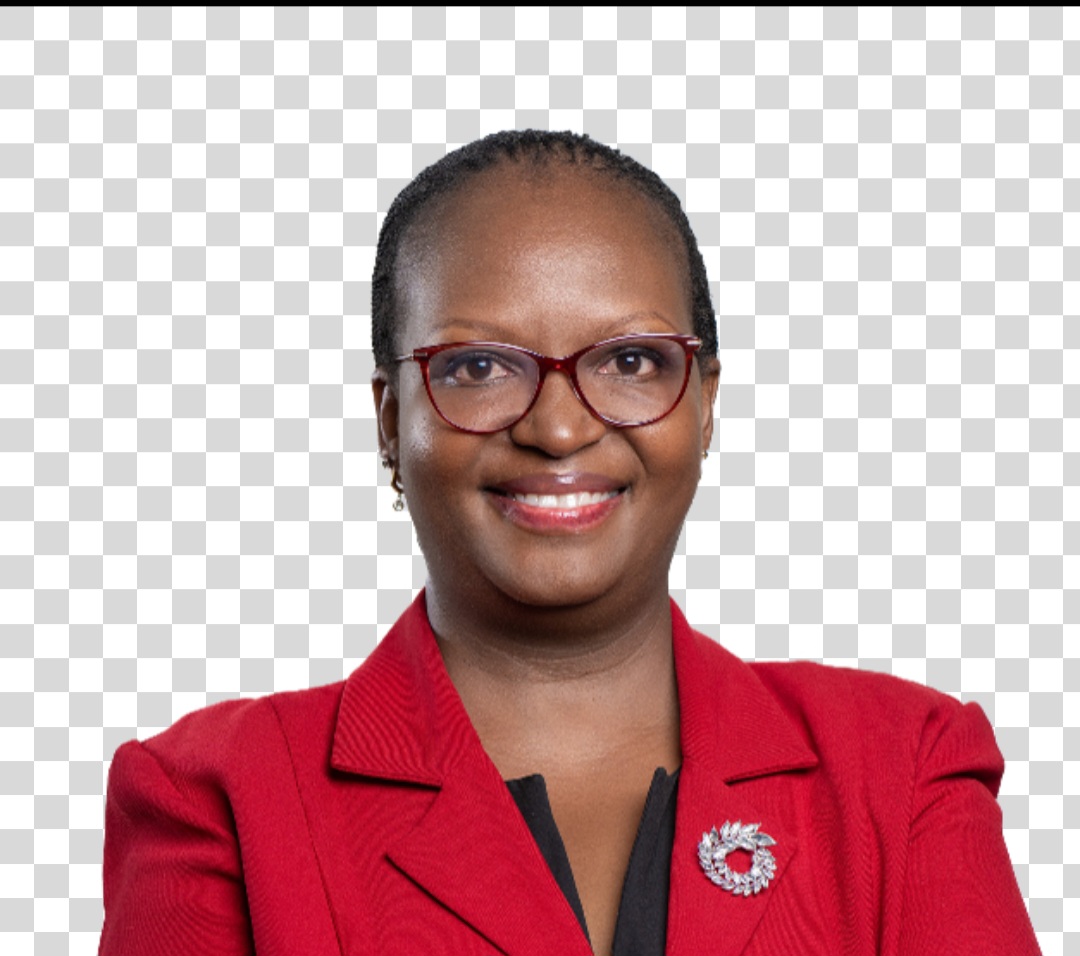
DENIS MUTEGUYA
SHARE

When Uganda celebrates its Independence Day on October 9th, the streets are filled with patriotic fervor, songs of liberation, and speeches that hark back to the struggle for self-governance. But amidst the celebrations, a fundamental question lingers: Is Uganda truly independent in every sense of the word? The simplistic definition of independence is self-governance a nation’s ability to make its own decisions without external interference. However, as history and contemporary realities suggest, the notion of independence for many post-colonial African states, including Uganda, remains complex and, in some ways, incomplete.

Uganda, like many African countries, was subjected to decades of British colonial rule, with its political, social, and economic systems shaped to serve the interests of the empire. When the Union Jack was lowered in 1962 and the Ugandan flag raised, the symbolic moment was one of triumph for the country’s founding fathers who had fought for freedom. However, the structures left behind by the colonizers continue to influence Uganda’s governance, culture, and economy, raising questions about the true extent of this independence.

One of the most striking examples of this legacy is the continued use of English as the official language. While indigenous languages like Luganda,Lusoga, Samia, Runyankore, and others still thrive in cultural and social spaces, the language of administration, education, and law remains a colonial import. This is not just about communication but about power: the continued use of colonial languages is a reminder that the tools of governance and control were shaped by those who once ruled, and breaking away from them is not as simple as declaring independence.

Beyond language, the influence of colonialism is evident in Uganda’s education system, which remains largely modeled after the British system. Subjects are taught from a Eurocentric perspective, with little emphasis on African history, culture, or indigenous knowledge systems. For instance, herbal medicine, which was an integral part of Uganda’s health system, has been largely sidelined in favor of Western medical approaches, with little to no effort made to integrate indigenous practices into modern healthcare.

While Uganda may have achieved political independence in 1962, economic independence remains elusive. The relationship between former colonies and their colonizers, as well as newer global powers, has evolved into a more subtle yet pervasive form of control. Uganda, like many African nations, finds itself entangled in a web of economic dependency, particularly through international aid, donor funding, and loans from institutions like the International Monetary Fund (IMF) and the World Bank.

The adage, “He who pays the piper calls the tune,” rings true in Uganda’s case. International donors and financial institutions often impose conditions on the aid they provide, shaping government policies and national priorities. These conditions — frequently centered around austerity measures, privatization, and deregulation — may not always align with the country’s needs or aspirations. As a result, Uganda’s ability to exercise full sovereignty over its economic policies is constrained, raising the question of whether the country can be truly self-governing when its fiscal decisions are subject to external approval.

For instance, Uganda’s education and health sectors rely heavily on foreign aid, which often comes with strings attached. In 2014, when Uganda passed a controversial anti-homosexuality law, several Western donors cut their aid, effectively influencing the country’s domestic policy decisions. This incident underscores the fact that, while Uganda may be politically independent, its dependency on foreign aid makes it vulnerable to external pressure, particularly on social and human rights issues.

International bodies such as the IMF, World Bank, and United Nations play significant roles in shaping Uganda’s policies, often under the guise of supporting development and human rights. While these institutions provide much-needed funding and technical assistance, they also exert significant influence over domestic governance. Economic policies, infrastructure projects, and even healthcare reforms are often designed in consultation with these institutions, leaving little room for Uganda to craft policies that are tailored to its unique socio-economic context.

The IMF’s structural adjustment programs (SAPs) in the 1980s and 1990s, which aimed to stabilize Uganda’s economy, provide a stark example of this influence. While these programs succeeded in curbing inflation and promoting economic growth, they also led to severe cuts in public spending, particularly in the education and health sectors. The impact of these reforms is still felt today, as the country grapples with underfunded public services and growing inequality.

Beyond economics and governance, the influence of colonialism continues to pervade Uganda’s culture and way of life. Western culture, through media, fashion, and education, has largely eclipsed indigenous cultural practices and values. Ugandans often find themselves adopting Western modes of dress, diet, and even lifestyle aspirations, sometimes at the expense of their rich cultural heritage.

For example, traditional herbal medicine, once the backbone of health in many Ugandan communities, has been sidelined in favor of Western pharmaceutical approaches. While modern medicine has undoubtedly brought significant advancements, the disregard for indigenous knowledge systems reflects a broader trend of cultural alienation. The question of whether Uganda is culturally independent becomes even more poignant when we consider that much of the education system, legal framework, and even governance structures still mirror those of the former colonizers.

For Uganda, the path to true independence is not just a matter of cutting ties with former colonizers but of reclaiming its sovereignty in all aspects of life — political, economic, and cultural. This involves a conscious effort to realign the country’s systems with its indigenous knowledge, values, and priorities. It means reducing dependency on foreign aid, creating space for African knowledge systems in education and healthcare, and fostering a sense of cultural pride that is rooted in Uganda’s rich heritage.

As Africa’s youngest populations look forward to the future, there is a growing realization that political freedom alone is insufficient. For Uganda to celebrate its Independence Day in its true sense, it must take bold steps to redefine what it means to be truly independent in a globalized world. The challenge lies in navigating the delicate balance between engaging with the global community and retaining the autonomy to chart its own path.

Independence, then, is not a destination but a continuous journey — one that Uganda must travel with vigilance, creativity, and an unwavering commitment to self-determination.

As Uganda marks its 62nd year of independence, it is worth celebrating the strides made in political sovereignty and national unity. However, true independence remains a work in progress. It is up to this generation of leaders and citizens to reflect on the subtle forms of control that persist and take deliberate steps towards achieving genuine self-governance — not just in politics, but in economics, culture, and society at large. Only then can Uganda’s Independence Day be celebrated in its fullest sense.

denismuteguya@gmail.com


Do you have a story in your community or an opinion to share with us: Email us at Submit an Article
Subscribe to Our Newsletter
Subscribe to our newsletter to get our newest articles instantly!
TAGGED:Denis MuteguyaEnglishUganda's Independence
Share This Article
Facebook Whatsapp Whatsapp Email Copy Link
Previous Article dfcu Bank’s No-Cost Utility Bill Payment Promotion – What Customers need to know
Next Article Gen. Muhoozi would likely excel as an entertainer, says Political Analyst Serunkuma 

Editor's Pick

Op-EdPoliticsPolitics

Inside CEC: Why Some Members Opposed Anita Among, Tayebwa as Museveni Steps In to Save Speakership Duo

Kampala — New details from inside the National Resistance Movement (NRM) Central…

By
Mike Ssegawa
5 Min Read
NationalNewsPolitics

NRM Sweeps 4 Regional Youth MP Elections Amid Opposition Crying Foul Play

Kampala, Uganda – The ruling National Resistance Movement (NRM) has claimed a…

3 Min Read
NationalNewsPolitics

NRM Critic Yusuf Serunkuma Urges NUP to Negotiate Prisoner Releases with Museveni

Kampala, Uganda – Just days after Uganda's heated January 15 general elections,…

4 Min Read

Top Writers

Mike Ssegawa 682 Articles
Two decades of reporting, editing and managing news content. Reach...
Mulema Najib 4326 Articles
News and Media manager since 2017. Specialist in Political and...

Op-ED

#OutToLunch: Some of the big bets for 2026

By Denis Jjuuko It was just the other day when…

31st January 2026 at 21:28

Inside CEC: Why Some Members Opposed Anita Among, Tayebwa as Museveni Steps In to Save Speakership Duo

Kampala — New details from inside…

29th January 2026 at 14:51

ATWEMEREIREHO ALEX: By Design, Not by Drift: The Political Economy Uganda Must Deliberately Construct!

There comes a defining moment in…

29th January 2026 at 12:08

MILLY BABALANDA: 40 Years Of NRM/A’s Liberation Vision Is Alive

It is now 40 years since…

28th January 2026 at 19:01

Ssempijja’s last Parliamentary seat hopes: Vote Recounting ordered to narrow done irregularities over Kalungu East Parliamentary Election Results

Masaka City, Uganda — In a…

28th January 2026 at 08:33

You Might Also Like

NationalNewsPolitics

Democratic Front’s First Victory: Dr. Hasifah Wanyana Wins Woman Councillor Seat in Nansana

Kampala – Amid the dust settling from Uganda's contentious 2026 general elections, a glimmer of hope emerges for the fledgling…

3 Min Read
NewsPolitics

UPDF Elects New Army MPs: Gen Muhoozi Kainerugaba Stays Out, Deputy CDF Okiding Tops Poll

Kampala – In a closely watched exercise at Bombo Military Barracks today, the Uganda People's Defence Forces (UPDF) Army Council…

4 Min Read
Politics

Kawempe North Legislator Elias Nalukoola Rejects NGO Funding Proposal Act

A proposal to introduce a new NGO Funding Act in Uganda has ignited a wide-ranging public and political debate, bringing…

6 Min Read
NewsPolitics

Byanyima Rejects Baryomunsi Claim: ‘I Am Officially Besigye’s Next of Kin in Luzira’

KAMPALA – Winnie Byanyima, wife of detained opposition leader Dr. Kizza Besigye, has sharply contradicted Minister of ICT and National…

3 Min Read
watchdog uganda logo

About Us

Watchdog Uganda is a portal for solution journalism, trending news plus cutting edge commentaries in the fields of politics, security, business, tourism, entertainment, technology, agriculture, climate change, environment, public health et al. We also give preference to Ugandan community news and topical discussions. The portal also publishes community news and topical discussions.

Quick Links

  • Submit an Article
  • Forums
  • About Us
  • Contact Us
  • Advertise
  • Terms and Conditions

Follow Us

FacebookLike
XFollow
YoutubeSubscribe
TiktokFollow

© 2026 Watchdog Uganda. All Rights Reserved.

Welcome Back!

Sign in to your account

Username or Email Address
Password

Lost your password?