If there is anything that has exposed Ugandans who receive foreign remittances as suffering from a dependency syndrome, it is the Sovereignty Bill of 2026. Richard Acaye, in his 2015 doctoral dissertation submitted to Walden University, citing Harvey and Lind (2009:9), defines “dependency syndrome” as “an attitude and belief that a group cannot solve its own problems without outside help.” In raising this issue, I am aware that some may question why a civil society worker from Karamoja chooses to address it at this particular moment.
Professor Oweyegha-Afunaduula (2026), in his publication “A Critical Interrogation of Uganda’s Proposed Law on Foreign Influence,” argues that rather than protecting the sovereignty of the people as enshrined in Article 1 of the 1995 Constitution, the Bill functions to consolidate executive power, shield the regime from scrutiny, and criminalize dissent under the guise of national security. However, departing from this view, I argue that the Bill has instead exposed many Ugandans—especially those receiving foreign remittances—as being affected by a dependency syndrome.
Indeed, the convergence of this dependency syndrome and the Sovereignty Bill has placed Civil Society in what Professor Mahmood Mamdani described in 1982 as a cul-de-sac. In this context, the term suggests that sections of Civil Society and other foreign aid beneficiaries appear to have reached “a dead end on a one-way street”, with limited room for alternative approaches.
My argument is neither in support of nor in opposition to the Sovereignty Bill, but rather an attempt to demonstrate how it has revealed patterns of dependency within Ugandan society. For those receiving foreign aid, the prevailing culture of spending donor funds on wasteful consultancies and excessive boardroom engagements must be reconsidered in favor of more productive and sustainable alternatives.
Similarly, donors should take note: funding strategies need to shift toward long-term sustainability and investment rather than an overreliance on workshops and allowances. Limodio (2011), writing on the impact of pro-vulnerable income transfers, attributes dependency syndromes to careless consumption patterns, low savings, and the entrenchment of long-term reliance on external support.
Therefore, for the fact that the bill has exposed dependency syndrome, the Government of Uganda must pursue practical solutions to address this dependency challenge, which has become a significant disease in Uganda. Where feasible, it should consider supporting certain Civil Society initiatives directly, given that these organizations already operate within the national regulatory framework.
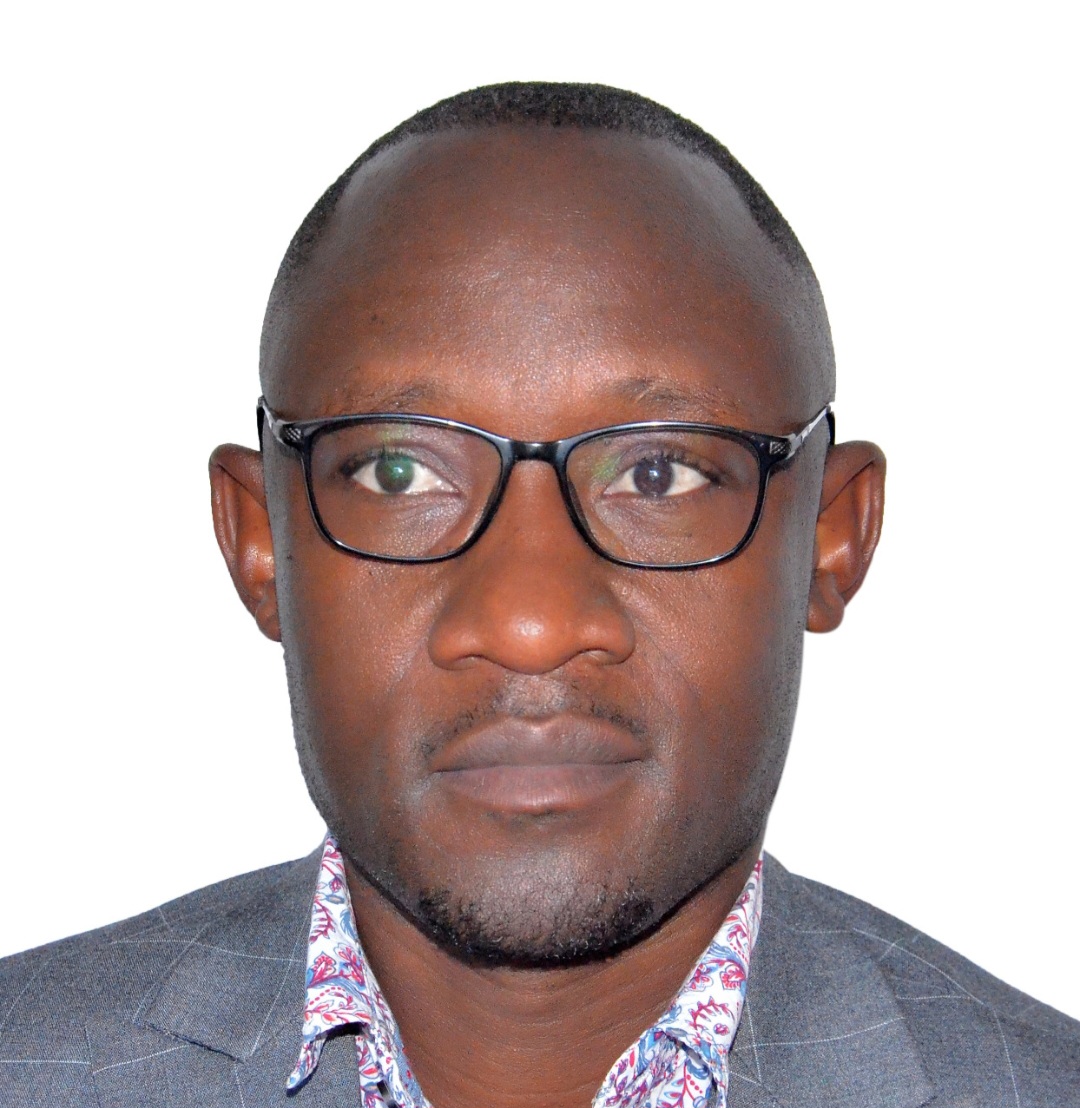
Ayub Mukisa, PhD
Executive Director, Karamoja Anti-Corruption Coalition (KACC)
Email: ayubmukisa@gmail.com
Do you have a story in your community or an opinion to share with us: Email us at Submit an Article