
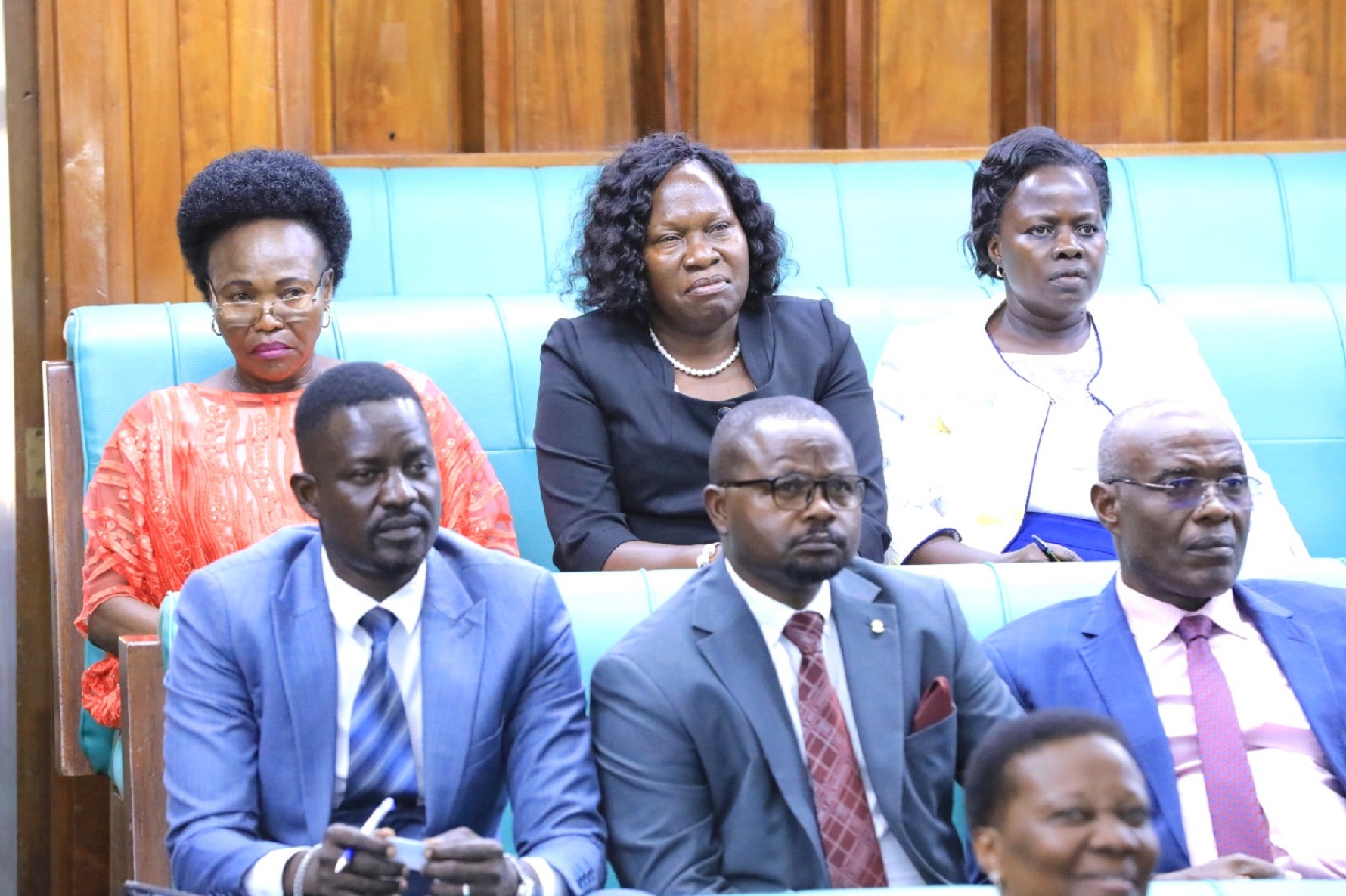
Kampala – Tempers flared on Sunday at Commonwealth Resort Munyonyo as a joint parliamentary committee scrutinising the controversial Protection of Sovereignty Bill 2026 descended into open confrontation, exposing deep divisions within Parliament over the handling of one of the country’s most contentious pieces of legislation.
The meeting, intended to consolidate views from recent public consultations, quickly unraveled after a section of MPs protested what they described as an attempt to fast-track adoption of a revised government position without adequate scrutiny of stakeholder submissions.
Erute South MP Jonathan Odur led the resistance, insisting on a clause-by-clause examination of the views collected from civil society, legal experts, and the public. Odur argued that bypassing detailed consideration of these submissions would undermine the integrity of the legislative process and erode public trust in Parliament.
Despite the objections, the majority of committee members pushed ahead, adopting the Attorney General’s amended report in a decisive 22–11 vote — a move that has now set the stage for an intense floor battle when the bill returns to the House.
The Protection of Sovereignty Bill, tabled in mid-April by the Ministry of Internal Affairs, seeks to regulate foreign funding, external influence, and activities deemed to undermine Uganda’s national sovereignty. However, the legislation has attracted widespread scrutiny over its potential impact on civil liberties, civic space, and the operations of non-governmental organisations.
Government officials defended the latest amendments, noting that the revised draft reflects input from Yoweri Kaguta Museveni, who reportedly rejected earlier, more hardline provisions. Key changes include softened penalties and clearer definitions intended to address concerns raised during consultations.
Yet for critics, the process remains as troubling as the substance of the bill itself.
Opposition legislators have already signaled plans to table a robust minority report, arguing that the committee’s decision effectively sidelines critical voices raised during public hearings. These concerns range from the bill’s possible effects on NGO financing and diaspora remittances to broader implications for constitutional freedoms, including freedom of association and expression.
The developments have heightened unease among sections of the public and civil society, who fear that Parliament may be rushing through a law with far-reaching consequences without fully interrogating its long-term impact.
With the bill expected to return for its second reading this Tuesday, all eyes now turn to the full House, where the divisions witnessed in committee are likely to play out on a larger, more politically charged stage.
Do you have a story in your community or an opinion to share with us: Email us at Submit an Article