KAMPALA – Uganda’s electricity sector has once again been thrown into uncertainty following the dramatic removal of top leadership at the Uganda Electricity Distribution Company Limited (UEDCL), reigniting fears of instability and possible backdoor privatization of the country’s power distribution system.
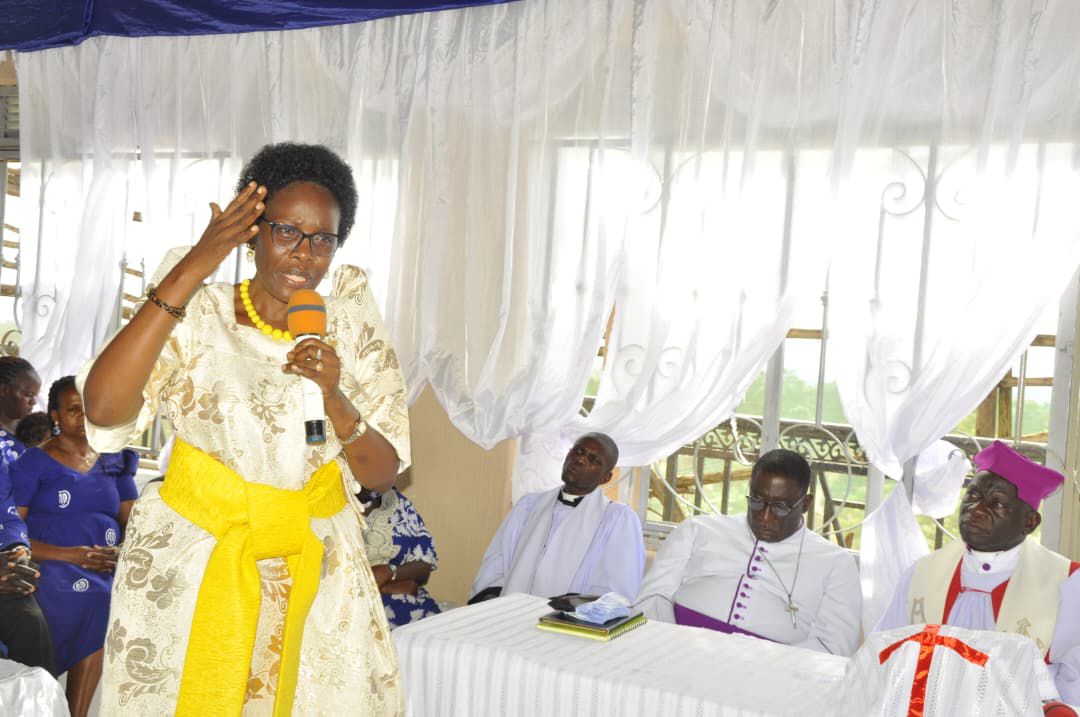
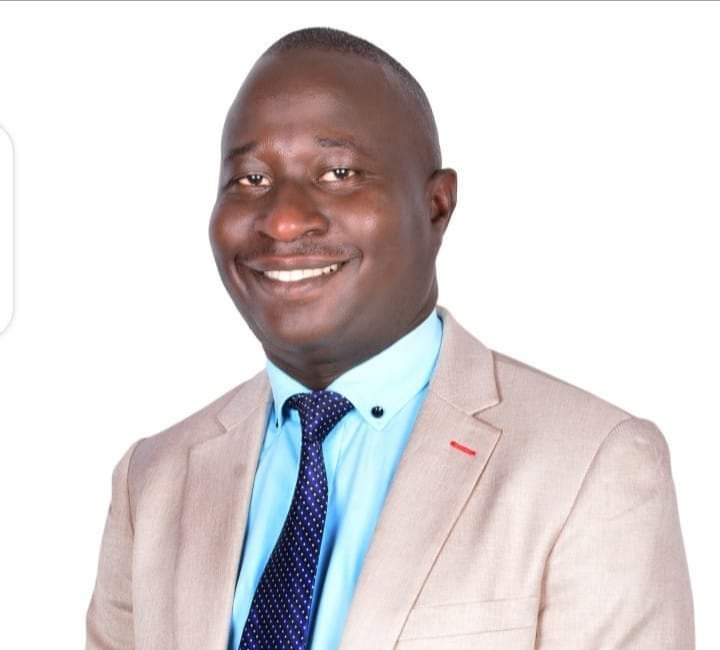
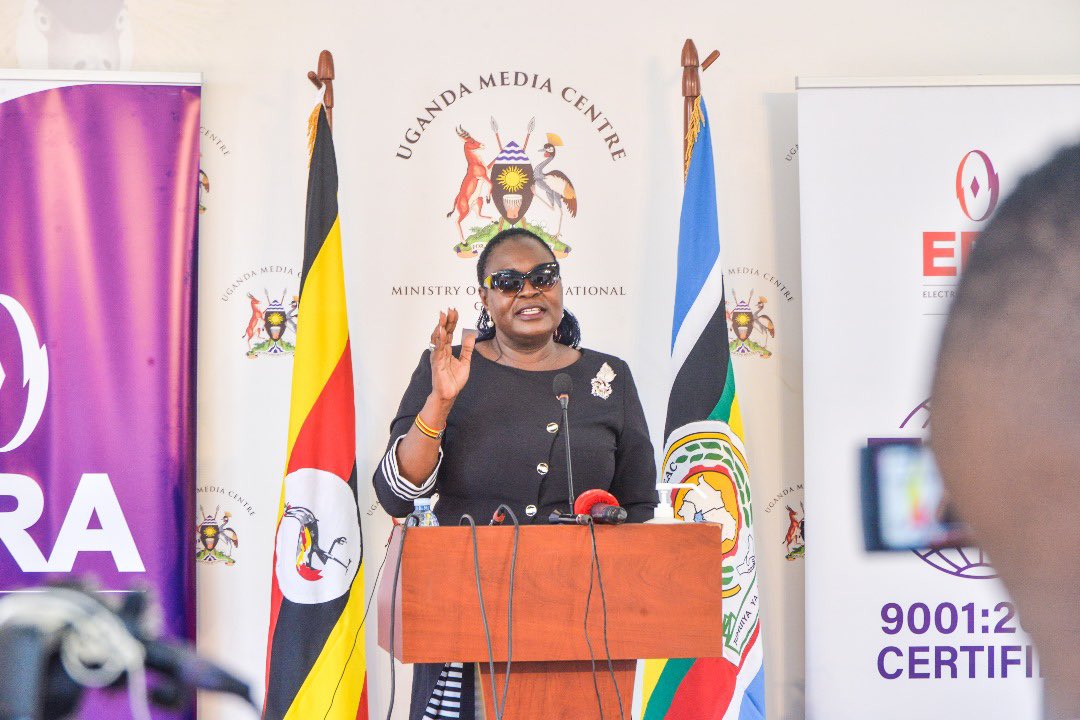
Energy Minister Ruth Nankabirwa Ssentamu on May 2, 2026, announced the dismissal of UEDCL Board Chairperson Lydia Ochieng-Obbo and ordered Managing Director Paul Mwesigwa to proceed on forced leave, in what the ministry described as a governance and accountability intervention.
The move, however, has triggered intense criticism from stakeholders and the public, with many questioning the timing, motive, and broader implications of the shake-up—especially coming barely a year after UEDCL took over power distribution from Umeme Limited following the expiry of its 20-year concession.
In an official statement, the Ministry of Energy and Mineral Development said the leadership changes were necessary to allow a “comprehensive review of the company’s management and operations.”
The ministry also announced interim appointments to ensure continuity of services and reassured the public that electricity supply would remain stable and uninterrupted during the transition.
But for many Ugandans, the latest developments represent more than just administrative restructuring—they signal a dangerous return to the uncertainty that has long haunted Uganda’s energy governance.
From High Expectations to Fresh Suspicion
When UEDCL officially assumed full responsibility for electricity distribution in April 2025, the transition was widely celebrated as a major step toward restoring national control over a strategic sector.
Under Managing Director Paul Mwesigwa, the company posted promising early results, including more than 648,000 new electricity connections within its first six months and improved revenue collection, signaling what many believed was a strong start for the state-run model.
However, persistent complaints over power outages, delayed fault response, unstable voltage, and poor customer service continued to pile pressure on management.
An earlier review by the Electricity Regulatory Authority (ERA) reportedly flagged operational weaknesses, giving the ministry justification to intervene.
Still, critics argue that one year is too short a period to judge a company inheriting decades of aging infrastructure, weak maintenance systems, and revenue inefficiencies from the Umeme era.
Nabbanja’s Earlier Warning Returns
The latest action has also revived memories of Prime Minister Robinah Nabbanja’s December 2025 intervention, when she blocked what she described as a “massive termination” of UEDCL managers.
At the time, Nabbanja warned against destabilizing the utility during such a sensitive transition period and specifically directed Minister Nankabirwa to halt any moves toward private partnerships, joint ventures, or restructuring without full Cabinet and presidential approval.
That warning now appears more relevant than ever.
Sources within the sector say the minister’s latest moves have revived fears that groundwork is being laid for the re-entry of private—possibly foreign—players into Uganda’s lucrative electricity distribution business.
Privatization by Stealth?
Reports have also emerged suggesting that Minister Nankabirwa had earlier pushed amendments to UEDCL’s Articles of Association, giving herself wider powers over board appointments and executive dismissals.
Critics say this concentration of authority, combined with the current leadership purge, points to a deliberate effort to weaken the fully state-owned model and quietly prepare the ground for privatization by stealth.
There are also whispers within energy circles of middlemen allegedly representing foreign power firms lobbying for re-entry into Uganda’s distribution market.
For many Ugandans, this raises painful memories of the Umeme concession years, where critics often accused foreign operators of prioritizing profits over universal access, affordability, and long-term infrastructure investment.
The Bigger Cost for Ugandans
The consequences of repeated leadership instability in the power sector go far beyond boardroom politics.
Electricity remains central to Uganda’s industrial growth, small businesses, household welfare, and investor confidence. Frequent executive purges risk weakening institutional memory, discouraging skilled professionals, and delaying urgently needed infrastructure upgrades.
Public reaction across social media and policy forums has largely been skeptical.
Many Ugandans are asking whether the shake-up is truly about service delivery or simply another elite struggle over control of one of the country’s most profitable public assets.
Others worry that Uganda could once again face costly legal disputes and investor uncertainty similar to those surrounding the Umeme exit and compensation process.
Accountability or Political Meddling?
As UEDCL enters yet another storm, the bigger question remains unanswered: Is Uganda committed to building a strong, efficient, state-led electricity distributor—or is the country quietly returning to the old model of private concessions?
Minister Nankabirwa may present the latest sackings as an accountability measure, but without transparency, public trust remains fragile.
For millions of Ugandans who still struggle daily with unreliable electricity, high tariffs, and poor service, what matters is not who occupies the office—but whether the lights stay on.
And on that score, Uganda can hardly afford another experiment.
Do you have a story in your community or an opinion to share with us: Email us at Submit an Article