
Ssekandi Pushes Vocational Dream for Masaka as Oscar Mutebi Quietly Powers the Groundwork for Transformation
WRITES BRIAN MUGENYI
mugenyijj@gmail.com
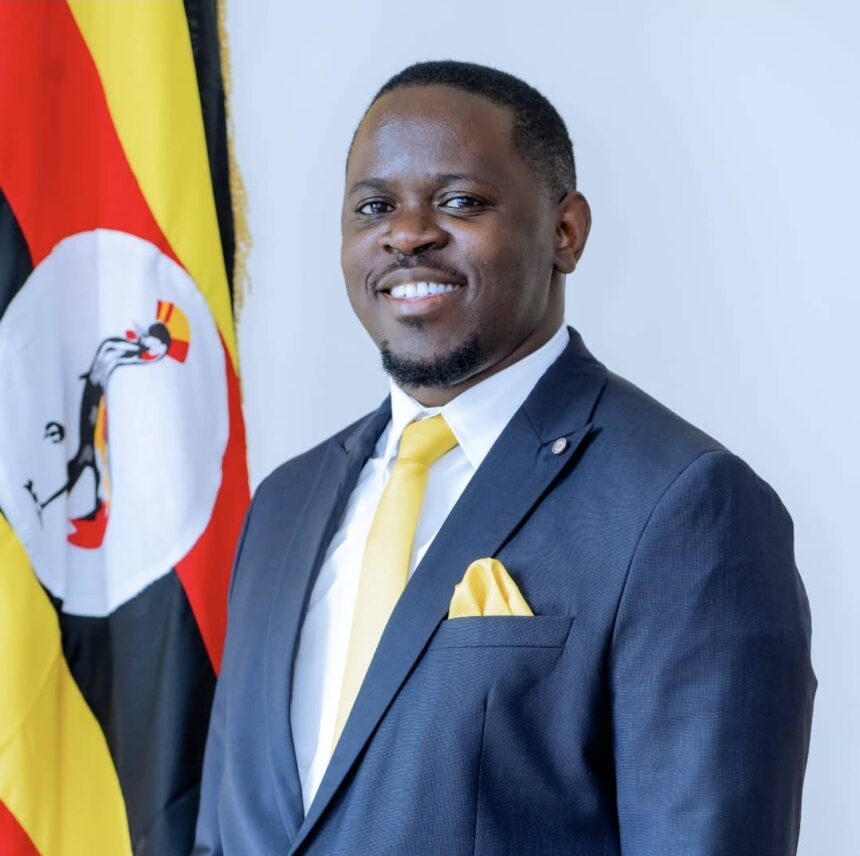
Special Envoy on Political Affairs to President Yoweri Kaguta Museveni, Edward Kiwanuka Ssekandi, has renewed his push for the establishment of a vocational institute in Rural Masaka District, presenting it as a strategic gateway to unlocking youth employment, industrial growth, and agro-processing investment in the Greater Masaka region.
Ssekandi, a former Vice President, argues that vocational education is the most practical solution to the region’s rising unemployment levels and low value addition in agriculture, which continues to dominate household livelihoods.
He notes that Masaka District has an estimated population of about 297,004 people, with youth aged between 18 and 30 accounting for approximately 23% of the population. This, he says, represents a “powerful but underutilized labour force” that requires urgent skills development.
According to him, over 65% of households in the district depend on subsistence farming, yet more than 70% of agricultural produce is sold in raw form without value addition—limiting income generation and industrial expansion.
“This imbalance can only be corrected through vocational training that connects agriculture to industry,” Ssekandi emphasized.
He further highlights that Masaka District covers approximately 1,603.3 square kilometres, with vast agricultural land producing coffee, bananas, passion fruits, and dairy products—crops that could significantly benefit from agro-processing training and investment.
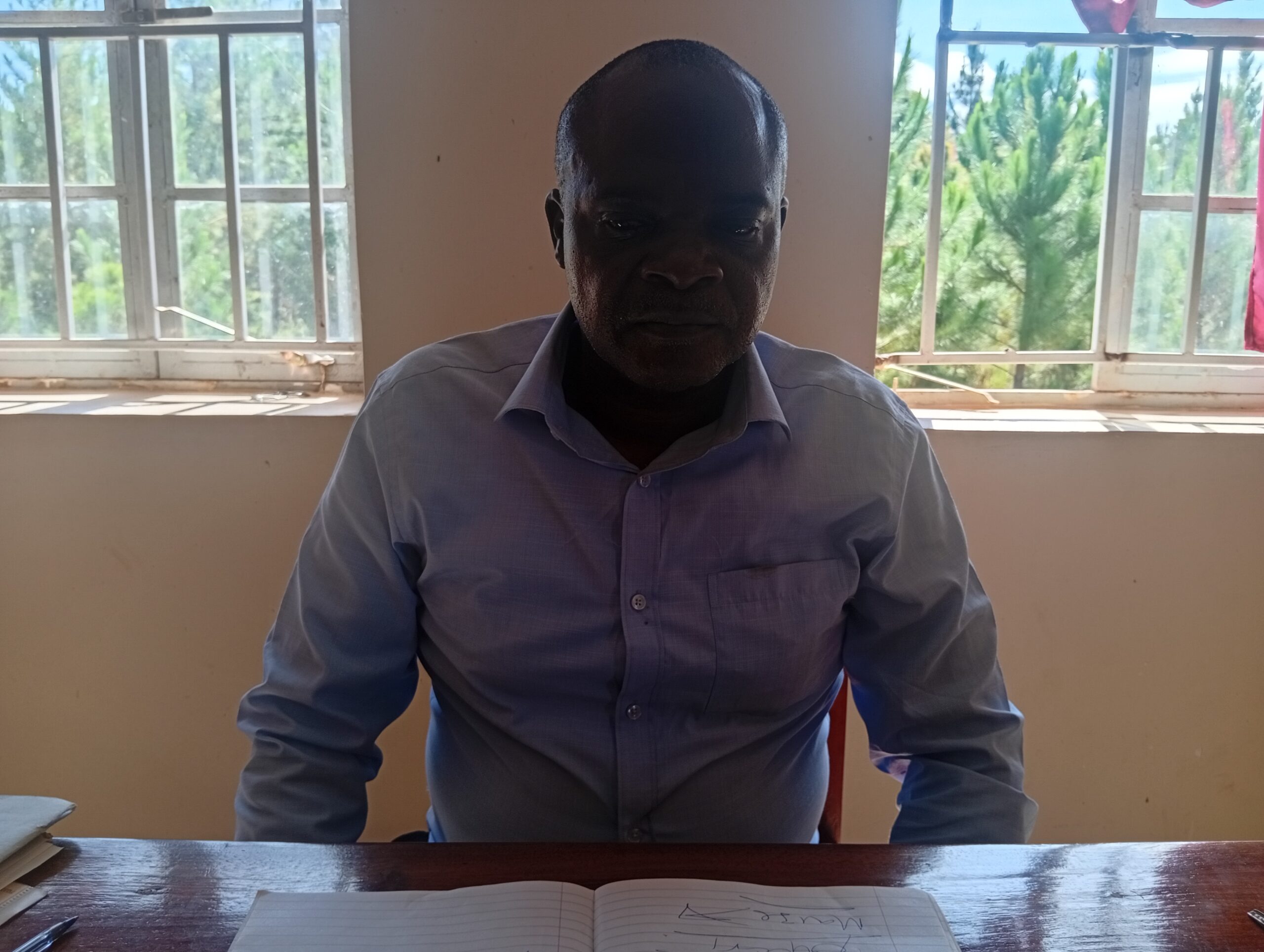
The renewed push is also being supported by grassroots mobilisation efforts led by Mr. Oscar Mutebi, Ssekandi’s personal assistant, who has emerged as a key behind-the-scenes driver of the vocational institute agenda.
Mutebi has been coordinating consultations with youth groups, farmers, SACCO leaders, and local stakeholders, gathering data that reflects strong demand for hands-on training institutions across the region.
His efforts have helped strengthen the investment case for the proposed institute, particularly by documenting unemployment challenges and identifying priority skill gaps in carpentry, welding, mechanics, agro-processing, and construction.
Ssekandi has drawn inspiration from earlier regional development experiences in Busoga and Fort Portal, where vocational training models have contributed to youth empowerment and small-scale industrial growth.
He links these successes to broader national wealth creation efforts previously associated with Gen. Salim Saleh Akandwanaho and development engagements involving former Speaker Rebecca Alitwala Kadaga, which emphasized the importance of practical skills training in rural transformation.
“These regions have shown that vocational education is not theory—it is transformation in action,” Ssekandi said.
Greater Masaka also hosts 53 registered cooperative organisations, 51 financial SACCOs, and 38 Myooga SACCOs, which Ssekandi describes as a ready financial ecosystem capable of supporting graduates of vocational institutions into entrepreneurship and small enterprise development.
He argues that this existing financial structure presents a strong investment incentive for both government and private sector players considering entry into vocational training development.
At the centre of the ongoing mobilisation is Oscar Mutebi, whose behind-the-scenes coordination has been described by local stakeholders as “crucial in keeping the vision alive and grounded in community needs.”
Mutebi’s engagements have reportedly ensured that the proposal reflects real economic pressures facing rural households, particularly unemployed youth and small-scale farmers struggling with low incomes.
Ssekandi has also appealed to First Lady and Minister of Education and Sports Janet Kataaha Museveni to prioritize the project under the Greater Masaka Development Initiative, arguing that education policy must now directly align with job creation and industrialization goals.
He further calls on both local and international investors to consider partnering in the development of the institute, noting that demand for vocational training in the region is already high and growing.
Development analysts say the proposed institute could significantly reduce rural unemployment, increase household incomes, and create a skilled workforce capable of supporting agro-industrial investment.
With Masaka’s youthful population, strong agricultural base, and emerging cooperative financial systems, the region is increasingly being viewed as a strategic location for vocational and industrial development.
As discussions continue, attention now shifts to President Museveni’s next move, with growing expectations that the vocational institute proposal could soon be elevated into a flagship rural transformation project for Greater Masaka.
Do you have a story in your community or an opinion to share with us: Email us at Submit an Article