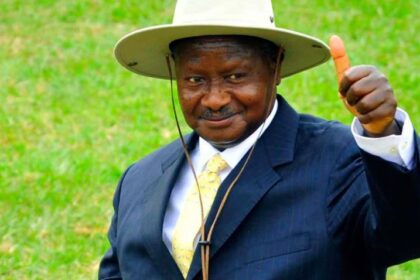
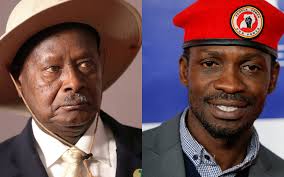
Kampala, Uganda — President Yoweri Kaguta Museveni’s victory over National Unity Platform (NUP) leader Robert Kyagulanyi, popularly known as Bobi Wine, in their second electoral face-off has reignited debate about Uganda’s political trajectory, voter behavior, and the evolving balance between continuity and change.
While Bobi Wine entered the contest riding on youthful enthusiasm, urban mobilization, and a strong protest vote, Museveni’s improved numbers compared to the previous election underline deeper structural and political realities that continue to shape Uganda’s elections.
State Machinery and Incumbency Advantage
Museveni’s win was, in part, a product of incumbency — a factor that remains decisive in Ugandan politics. Control over state machinery, security agencies, and administrative structures gave the ruling National Resistance Movement (NRM) a significant organizational edge. From village-level mobilization through Local Council structures to coordinated messaging via state-aligned platforms, the NRM demonstrated an unmatched nationwide reach.
In contrast, Bobi Wine’s support remained heavily concentrated in urban centres and parts of central Uganda. While his rallies drew massive crowds, translating enthusiasm into votes across rural Uganda proved more difficult, particularly in regions where state programs and local leaders remain aligned with the ruling party.
Economic Messaging and Cash Transfer Politics
Museveni’s numbers rose largely due to a strategic focus on economic messaging. Programs such as the Parish Development Model (PDM), Emyooga, and GROW funds were aggressively framed as direct interventions targeting household incomes. For many rural voters, these initiatives — regardless of implementation challenges — represented tangible government presence.
In a country where survival economics dominate political decision-making, Museveni successfully positioned himself as the safer economic choice. Bobi Wine’s message of systemic change resonated strongly with the youth but struggled to overcome voter anxieties about uncertainty, particularly among older and rural populations who associate stability with Museveni’s long rule.
Fragmented Opposition and Strategic Missteps
Another key factor was opposition fragmentation. While Bobi Wine remained the dominant opposition figure, lack of coordinated alliances diluted the overall anti-incumbency vote. Museveni benefited from running against a divided opposition rather than a united front capable of matching the NRM’s nationwide machinery.
Additionally, Bobi Wine’s campaign faced persistent disruptions, arrests, and restrictions that limited his ability to consolidate structures beyond major towns. While these actions drew international attention, they also curtailed grassroots organization — a crucial weakness in a country where elections are won ward by ward.
Security, Stability, and Fear of Change
Museveni’s campaign effectively leveraged Uganda’s regional security context. With conflicts in eastern Congo, South Sudan, and parts of the Great Lakes region, the president portrayed himself as a guarantor of stability. For many voters, especially in border districts, continuity was preferred over political experimentation.
Bobi Wine’s supporters viewed this narrative as fear-mongering, but it resonated with communities that remember past instability and civil conflict.
What Museveni’s Rising Numbers Mean for Uganda
Museveni’s improved performance signals that Uganda is not yet ready for a rapid political transition, despite growing youth discontent. It reflects a country still divided between urban protest politics and rural survival politics.
However, the election also confirmed Bobi Wine as the most significant opposition force Uganda has seen in decades. His sustained support, despite institutional obstacles, indicates a generational shift that the ruling establishment cannot ignore indefinitely.
For Uganda, the result means continued policy continuity, incremental reforms, and a government under pressure to deliver economically. Museveni’s victory strengthens his mandate but also raises expectations — particularly on corruption, youth unemployment, and service delivery.
Ultimately, while Museveni won the election, the political landscape has irreversibly changed. The opposition did not capture State House, but it captured a generation. How both sides respond to that reality will shape Uganda’s politics long after the ballots are counted.
Do you have a story in your community or an opinion to share with us: Email us at Submit an Article