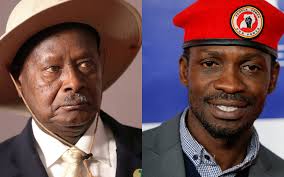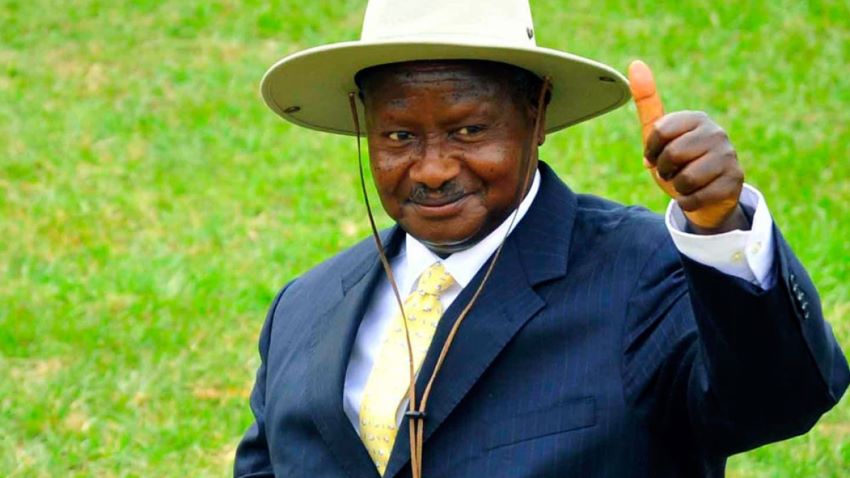
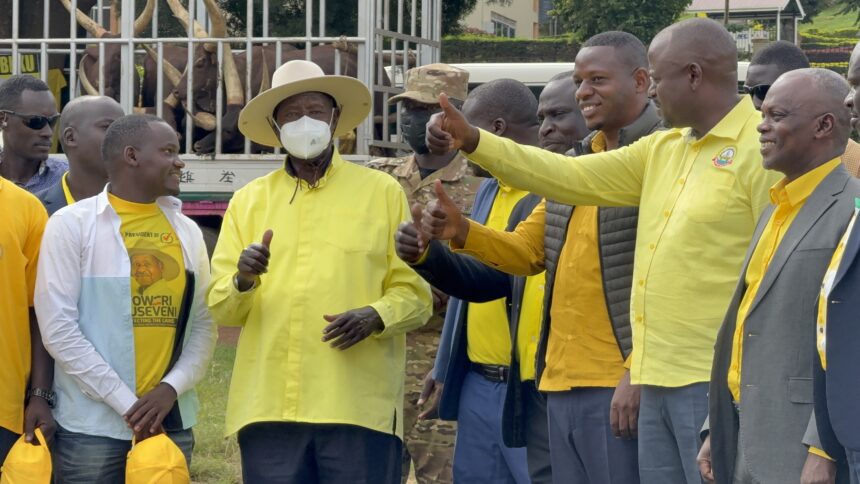
Kampala, Uganda — President Yoweri Kaguta Museveni has defeated National Unity Platform (NUP) leader Robert Kyagulanyi, popularly known as Bobi Wine, for the second consecutive time, according to provisional results released by the Electoral Commission (EC), extending his long hold on power and posting an increase in both vote share and absolute vote numbers compared to their first contest.
EC figures show Museveni secured over 60 per cent of the valid votes cast, translating to more than 6.5 million votes nationwide, up from approximately 5.8 million votes in the previous election. Bobi Wine finished second with about 35 per cent, polling just under 4 million votes, a modest increase in raw numbers but a decline in percentage share.
The data shows Museveni widening his margins in eastern, western, and northern Uganda, while Bobi Wine maintained dominance in Kampala Metropolitan Area, parts of central Uganda, and selected urban municipalities.
Regional Breakdown
In western Uganda, Museveni posted landslide victories, averaging 75–80 per cent in districts such as Ntungamo, Kiruhura, Bushenyi, and Mbarara. In eastern Uganda, he secured between 65 and 70 per cent, performing strongly in Busoga, Bukedi, and Sebei sub-regions.
Northern Uganda also showed improved turnout for the ruling party, with Museveni polling above 55 per cent in districts that had previously leaned opposition, including parts of Lango and Acholi.
Bobi Wine continued to dominate Kampala, where EC data shows he secured over 80 per cent of the vote, as well as strong showings in Wakiso, Mukono, Masaka, and Mpigi, averaging 60–70 per cent in these districts. However, his national vote share remained limited by weaker performance outside central Uganda.
Turnout and Rural Mobilisation
National voter turnout stood at approximately 68 per cent, up from about 64 per cent in the previous election. Electoral officials attributed the increase largely to higher participation in rural districts.
NRM officials said the party focused on boosting turnout in rural strongholds rather than competing directly in opposition-dominated urban centers. According to party data, voter turnout in some rural constituencies rose by 5 to 8 percentage points, contributing significantly to Museveni’s increased vote tally.
Economic Programs Feature Prominently
The ruling party’s campaign heavily promoted government economic interventions. According to Ministry of Finance figures cited during the campaign, over UGX 1 trillion has been disbursed under the Parish Development Model (PDM) since its rollout, reaching more than 10,000 parishes nationwide.
Government messaging linked these programs to Museveni’s leadership, with NRM candidates repeatedly warning that a change in government could disrupt funding flows. Post-election interviews conducted by EC field officers indicate that access to PDM funds, agricultural inputs, and SACCO financing influenced voter decisions in rural areas.
Security Deployment and Campaign Restrictions
The election was conducted under tight security, particularly in urban areas. Police records show hundreds of deployments during opposition campaign activities, with NUP reporting dozens of arrests of supporters during the campaign period.
Security agencies maintained that their actions were lawful and aimed at preventing violence. The EC reported that voting proceeded peacefully in over 90 per cent of polling stations, with isolated incidents of late opening and logistical delays.
Opposition Vote Fragmentation
EC results also show that other opposition candidates collectively polled less than 5 per cent of the total vote. Political observers noted that while Bobi Wine remained the dominant opposition figure, the lack of a unified opposition ticket allowed Museveni to win pluralities in several competitive districts.
What the Numbers Indicate
The figures confirm NRM’s continued strength in rural Uganda, where the majority of voters reside. At the same time, they highlight a persistent urban–rural divide, with opposition politics increasingly concentrated in cities and municipalities.
As Museveni begins another term, analysts say the rising vote numbers raise expectations around service delivery, corruption control, and youth employment, particularly as Uganda’s population under 30 now accounts for over 75 per cent of the electorate.
Do you have a story in your community or an opinion to share with us: Email us at Submit an Article