As Uganda moves towards the pivotal year 2026, some readers may question the meaning of President Museveni’s “Musevenism” and Kyagulanyi’s “Kyagulanyism.” These terms represent two distinguish political paths that are currently shaping the national discourse.
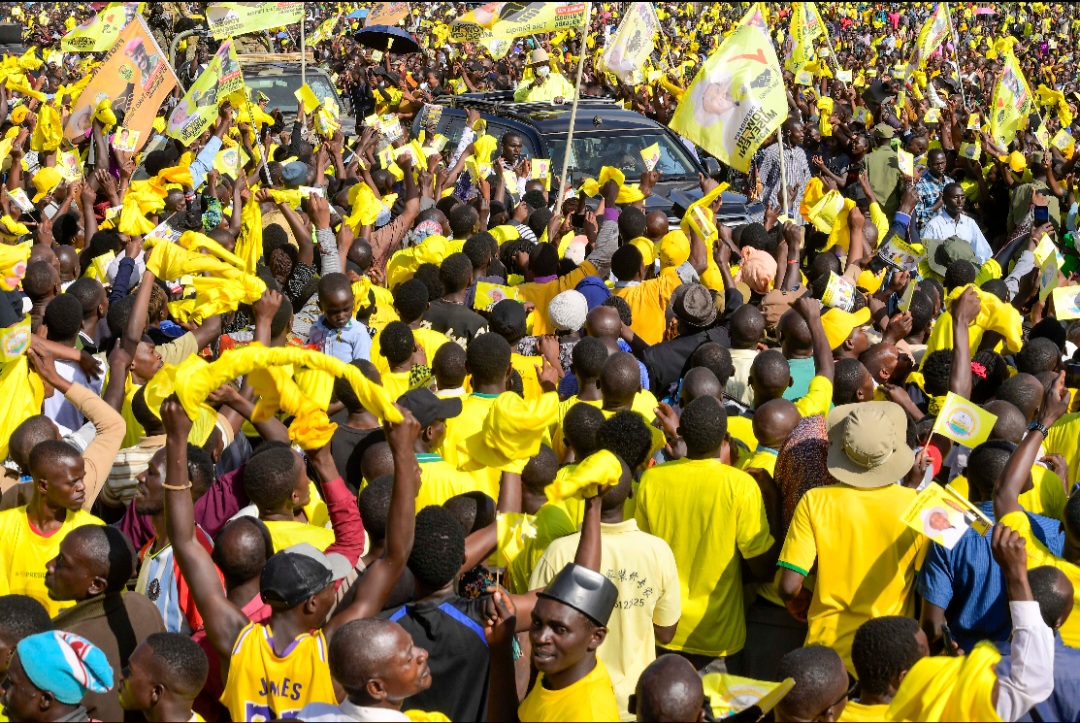
Musevenism embodies a governance philosophy that has been established over nearly four decades. It is based on stability, security, rural transformation, and a structured approach to national development. Over time, Musevenism has transcended the individuality of President Museveni and has evolved into a sophisticated system of statecraft.
It has impacted Uganda’s institutions, administrative culture, and strategic stance in key sectors such as the economy, infrastructure, defence, education, agriculture, and local governance.
To witness this influence of Musevenism, one only needs to visit rural communities and assess the impacts of the Parish Development Model (PDM).
The PDM show cases the deep penetration of Musevenism in local-level planning and economic organisation. As political theorist Dr. Yusuf Serunkuma stated in the Weekly Observer on November 19, 2025, “Museveni does not want to win a contest where he is the only candidate.” Despite having multiple presidential contenders , the prevailing indicators suggest that Museveni is well positioned to secure victory in 2026.
If he does, it will be Musevenism—with its wealth of experience, institutional depth, and operational systems—that is best suited to ensure continuity and national stability in the upcoming political phase.
In contrast, Kyagulanyism, is a movement primarily fueled by a rapid emotional awakening, urban youth energy, and digital mobilisation. Although dynamic and visible, it lacks a strong ideological foundation, policy coherence, and widespread organisational reach needed to govern a complex state. A notable example is the challenges faced by many Kyagulanyi’s parliamentary candidates in establishing consistent structures, financial systems, and operational capacity national wide.
So far, the Kyagulanyists have not convincingly proven their ability to provide the institutional framework essential for national governance. History cautions that political change without adequate organisational foundations often leads to uncertainty—a risk that many Ugandans may not be willing to take.
Therefore, I argue that it is President Museveni’s Musevenism—not Kyagulanyi’s Kyagulanyism—that is not only poised to emerge victorious in 2026 but also steer Uganda into its next political era. Musevenism offers experience, structure, and continuity, while Kyagulanyism is still in search of its ideological and organisational footing.
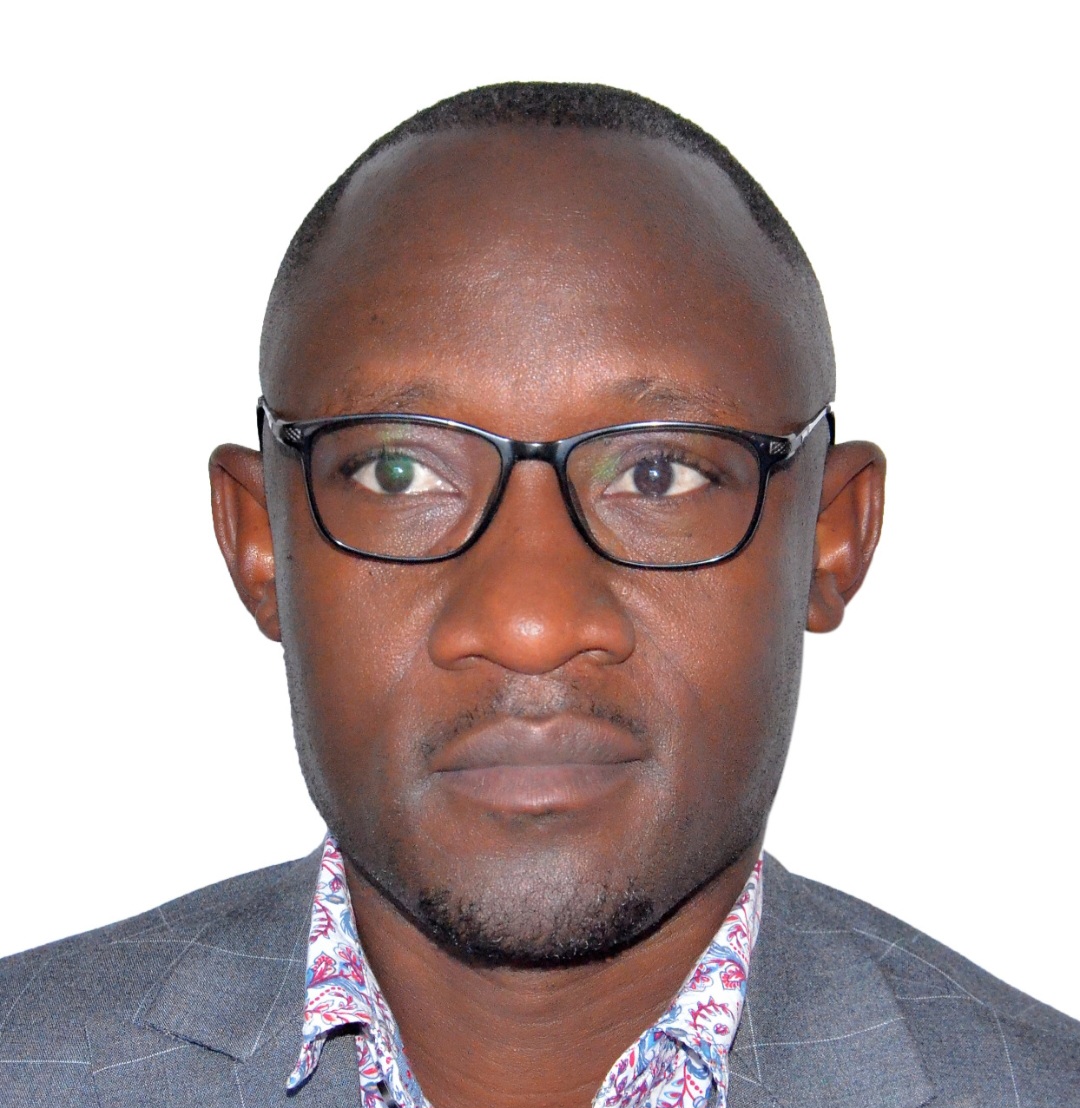
Ayub Mukisa, PhD
Executive Director, Karamoja Anti-Corruption Coalition (KACC)
Email: ayubmukisa@gmail.com
Do you have a story in your community or an opinion to share with us: Email us at Submit an Article