
In this article, I explore how social media has created a false or exaggerated sense of political strength and success among supporters of Robert Kyagulanyi Sentamu, popularly known as Bobi Wine. While digital platforms have become powerful tools for political communication, their influence is often misunderstood and overstated, particularly in electoral contexts such as Uganda.
Dr. Nestor Basemera, citing Nnanyelugo and Nwafor (2013) in her article published in Watchdog titled “Social Media and Political Propaganda…,” defines social media as web-based applications and services that enable users to interact, create, share, and search for content online. A glance at platforms such as Facebook, X (formerly Twitter), TikTok, and WhatsApp reveals that Bobi Wine’s supporters—especially urban youth—have relied heavily on social media as a tool for political mobilization and propaganda.
However, this digital visibility often creates a misleading impression for both Kyagulanyi’s political team and his supporters. Many assume that frequent posting, trending hashtags, and viral content are reliable indicators of political strength. In doing so, they overlook a crucial reality: elections are ultimately won through votes, organization, and effective structures on the ground. Online dominance does not automatically translate into electoral victory. Actually, Kyagulanyi’s supporters’ over dependence on digital enthusiasm is likely to result in disappointment on polling day, January 15, 2026.
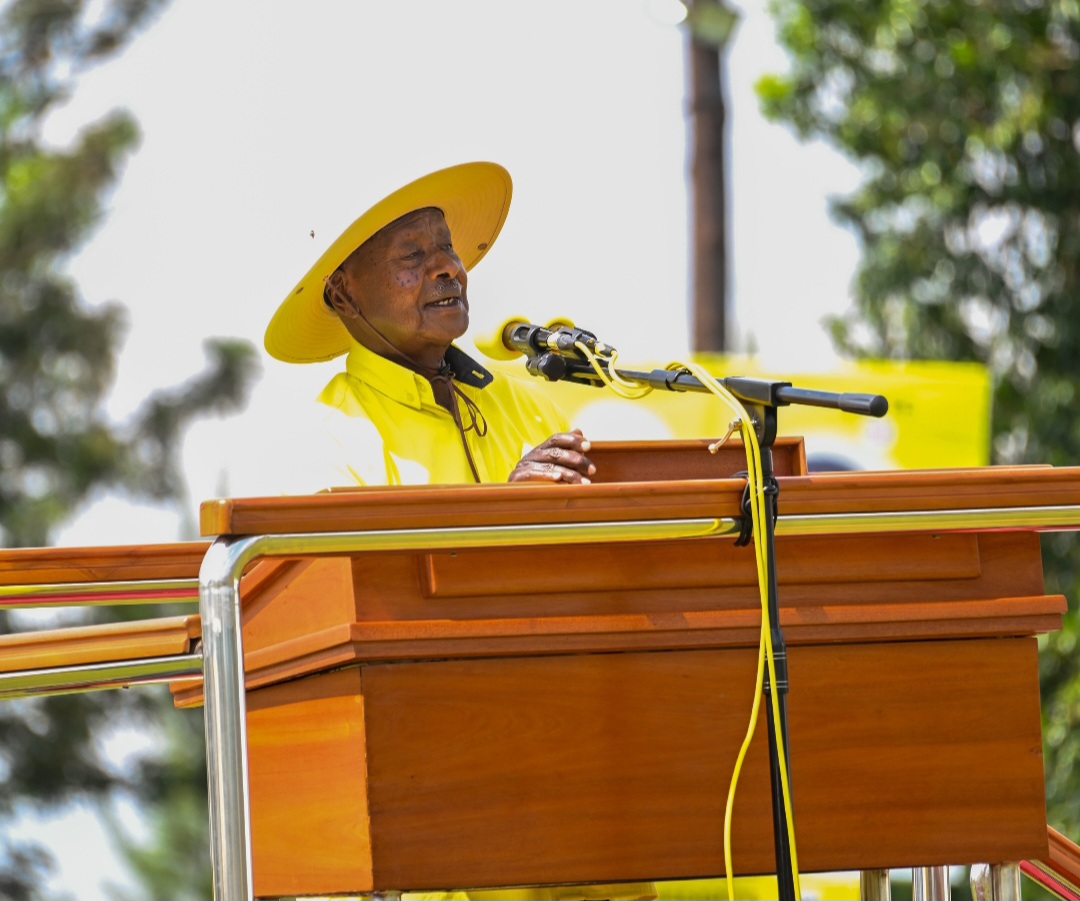
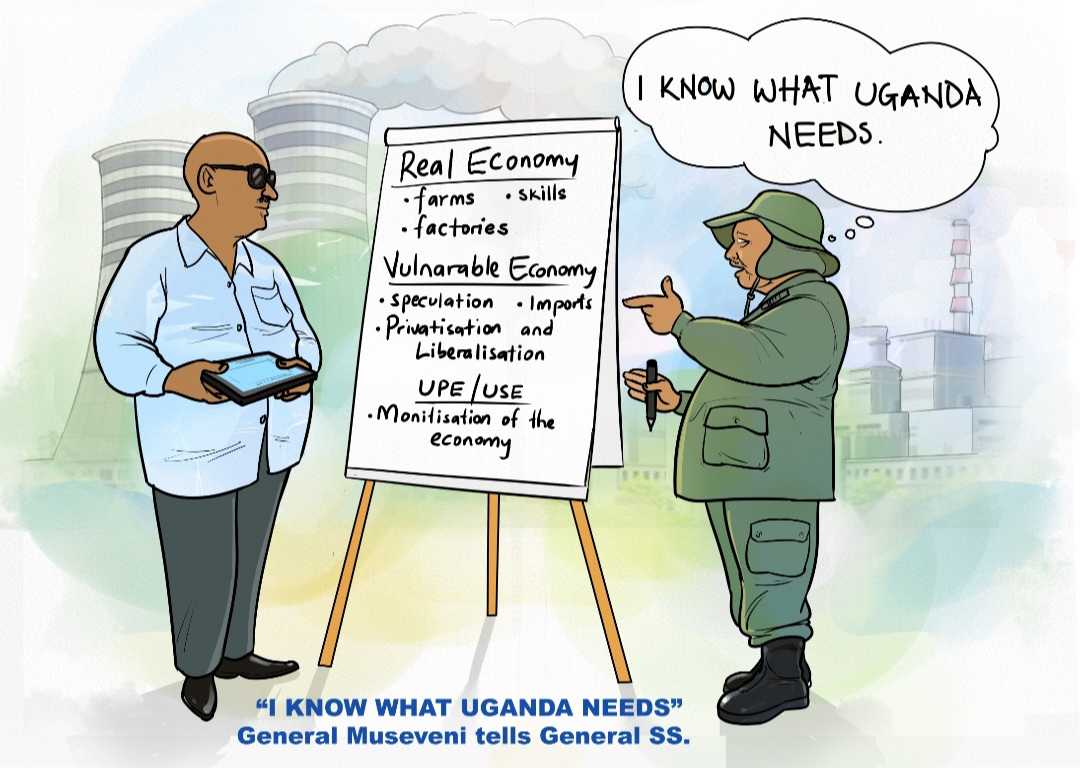
Meanwhile, President Yoweri Museveni continues to engage voters both physically and strategically online. His political strength is rooted in long-established networks within rural communities, local government systems, security institutions, and patronage structures developed over decades. These mechanisms may not be highly visible on social media, but they remain highly effective during elections. While some of Kyagulanyi’s supporters focus heavily on circulating online content—sometimes amplified by Artificial Intelligence (AI)—Museveni’s political machinery continues to consolidate real power at the grassroots level.
It is for this reason that Bobi Wine’s supporters may be taken aback by election results in which Museveni secures a substantial share of the vote while Kyagulanyi performs below expectations.
Historically, political power in Uganda has been shaped more by structural control, organization, and effective grassroots mobilization than by social media activity. These are areas in which Museveni has invested consistently, and they continue to play a decisive role in determining electoral outcomes.
Ayub Mukisa, PhD
Executive Director, Karamoja Anti-Corruption Coalition (KACC)
Email: ayubmukisa@gmail.com
Do you have a story in your community or an opinion to share with us: Email us at Submit an Article