In this article I demonstrate how social media, misinformation and propaganda influence modern elections.
Social media refers to web-based applications and services that enable users to interact, create, share, and search for content online (Nnanyelugo & Nwafor, 2013). Propaganda on the other hand, is the dissemination of biased or misleading information, particularly in politics (Guess & Lyons, 2020). The term “propaganda” originated from the Latin word “propagare,” which means to spread or propagate (ibid). Similarly, the rapid circulation of fictitious content on networking sites like Twitter and Facebook makes it increasingly challenging for citizens to distinguish between fact and fiction. While these sites offer a means for direct communication with constituents, they also enable the spread of distorted and unsubstantiated information, leading to adverse effects such as influencing voting decisions, creating prejudice, and driving inaccurate conclusions and actions (Mamman, 2019).
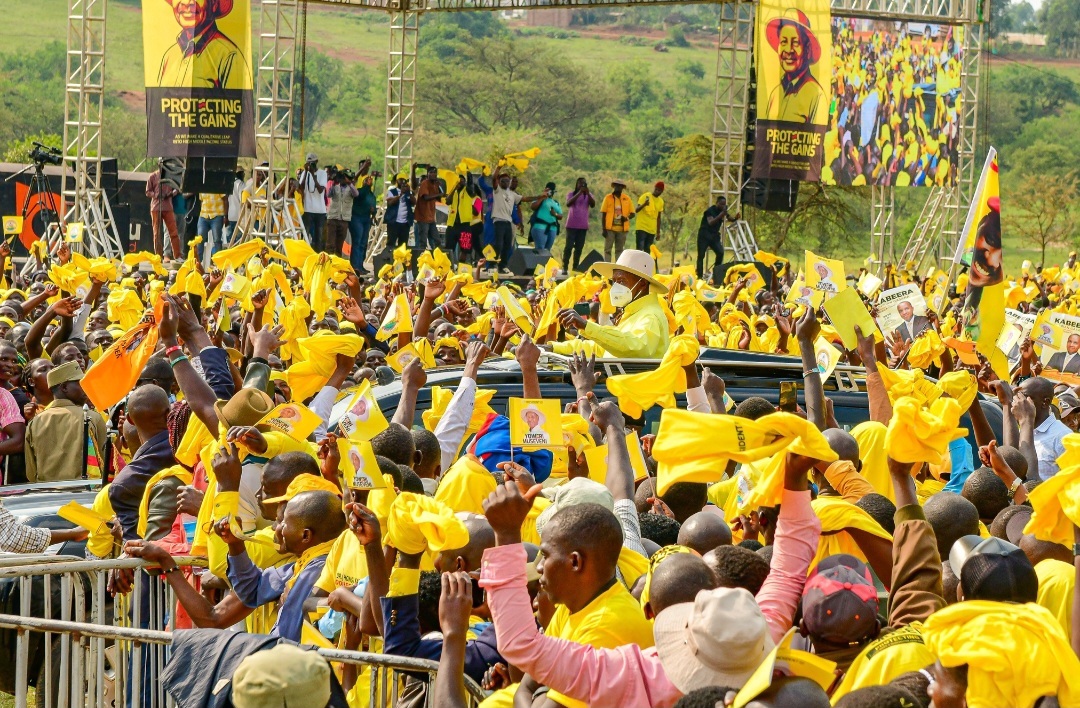
Ugandan politicians use social media platforms to connect with voters, target skeptical demographics, and employ propagandistic tactics. The lack of guaranteed factual information and difficulty in verifying online events raise concerns about the validity of some statements (Inobemhe et al., 2020). According to UBOS (2024), approximately 2.60 million Ugandans are estimated to be using social media. These platforms have become essential for communication, shaping public opinion, and political socialization. The abundance of information poses challenges, yet it is crucial to examine how social media influences people’s beliefs, interests, and the prevalence of fictional and misleading information propagated by political actors for their personal benefits.
Fake news and sophisticated disinformation through social media pose a significant challenge to democratic systems. There is a growing debate on how to address these issues without undermining the benefits of digital media or infringing on the right to freedom of expression. The misuse of social media for propaganda purposes has resulted in the spread of fake news, hate speech, and divisive narratives, which have had a negative impact on public discourse and trust in the political institution.
To that end, a comprehensive approach is needed to regulate the spread of political propaganda on social media platforms in Uganda. This approach should include the creation of digital literacy programs that focus on media literacy and online etiquette, deeper cooperation between the Ugandan government and social media platforms to curb the spread of political propaganda, and the establishment of legal frameworks to punish offenders. Mitigating political propaganda is crucial, and these highlighted recommendations can help achieve that goal.
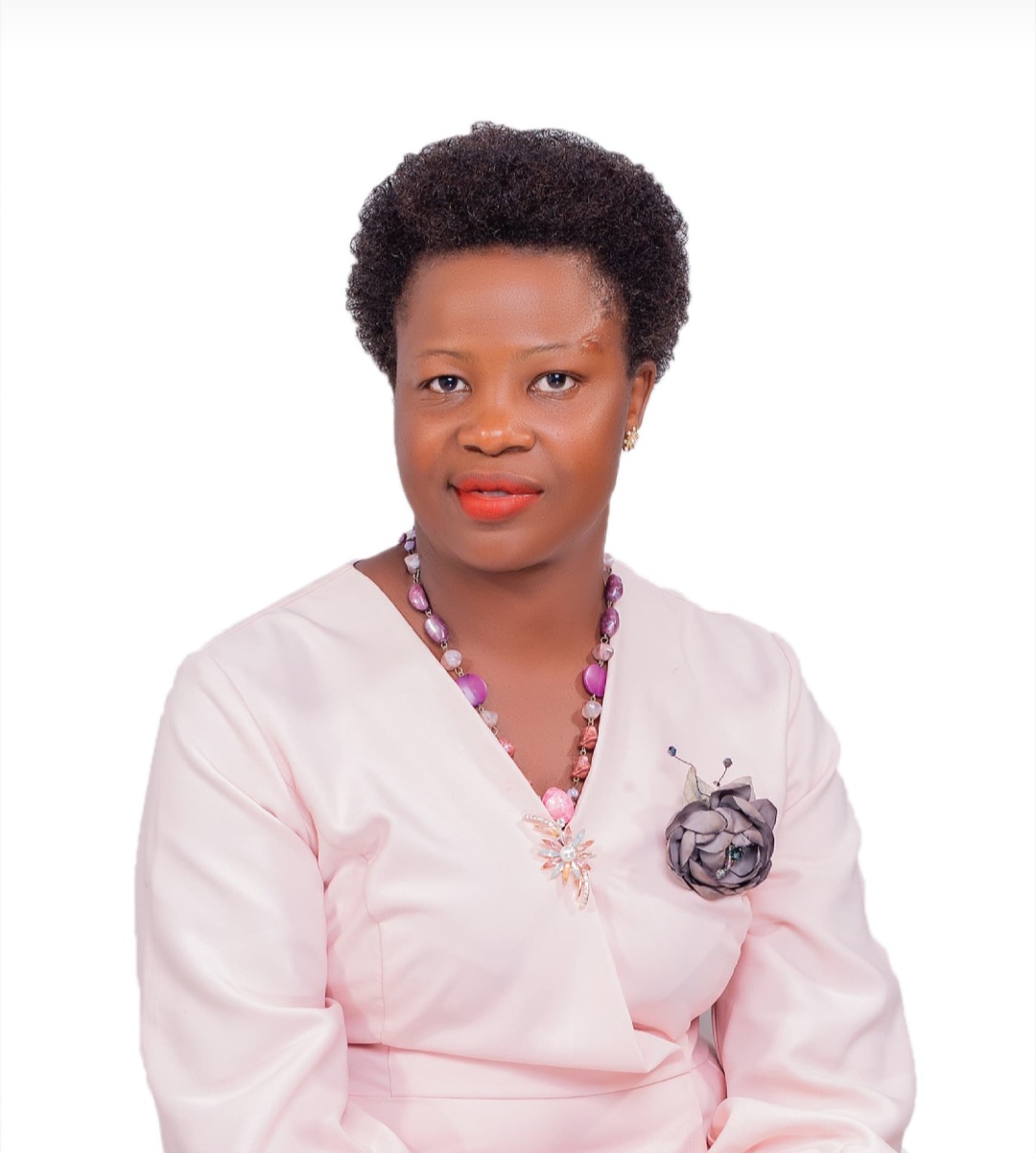
Nestor Basemera PhD.
Email: basemeranestor3@gmail.com
The writer is a researcher
Do you have a story in your community or an opinion to share with us: Email us at Submit an Article