KAMPALA, Uganda – As President Yoweri Museveni settles into his seventh term following the contentious January 2026 elections, the political spotlight has turned to the anticipated cabinet lineup for the 2026-2031 period. Amidst this, a heated public feud between Chief of Defence Forces (CDF) General Muhoozi Kainerugaba and Information, Communications, and Technology (ICT) Minister Dr. Chris Baryomunsi has fueled speculation: Could Baryomunsi become the first minister dropped from the new administration?
While no official cabinet announcements have been made as of February 4, 2026, the drama underscores deeper dynamics in Ugandan politics, including Museveni’s long-standing approach to cabinet formation and the growing shadow of his son’s influence.
Gen Museveni, now 81, has ruled Uganda since 1986, amassing a reputation for political sagacity through calculated cabinet choices that balance competing interests. His selections have historically navigated ethnic, religious, and regional divides in a country with over 50 tribes and a mix of Christian (majority Protestant and Catholic) and Muslim communities. For instance, in the 2021 cabinet, Museveni ensured representation from key regions: Western Uganda (his stronghold) held influential posts, while Eastern and Northern areas were allocated roles to foster loyalty post-conflict reconciliation. This balancing act extends to religion—and political influence, often rewarding NRM loyalists while co-opting opposition voices, as seen with Norbert Mao’s 2022 appointment as Justice Minister.
Technocracy and skills have also factored in, though subordinated to loyalty. Museveni has favored professionals in technical ministries: economists like Matia Kasaija in Finance and engineers in Energy. Yet, history shows he prioritizes stability over expertise when tensions arise.t
The 2024 reshuffle, for example, saw corruption-accused ministers like Mary Goretti Kitutu dropped from Karamoja Affairs, signaling accountability, but also elevated military figures, reflecting Museveni’s reliance on the Uganda People’s Defence Forces (UPDF) for governance. Such moves highlight his strategy: using reshuffles to neutralize threats, reward allies, and maintain NRM cohesion amid succession whispers.
Enter General Muhoozi, the president’s 51-year-old son and CDF since 2024. Muhoozi’s ascent—from Senior Presidential Advisor to military chief—marks a shift toward familial consolidation. His Patriotic League of Uganda (PLU) has mobilized youth and NRM factions, positioning him as a potential successor despite withdrawing from 2026 presidential ambitions. Muhoozi’s social media activism, often clashing with official policy, has amplified his voice. In the current spat, he branded Baryomunsi a “traitor” on X, vowing he “will never be a Minister again” after Baryomunsi criticized his tweets for causing “confusion.”
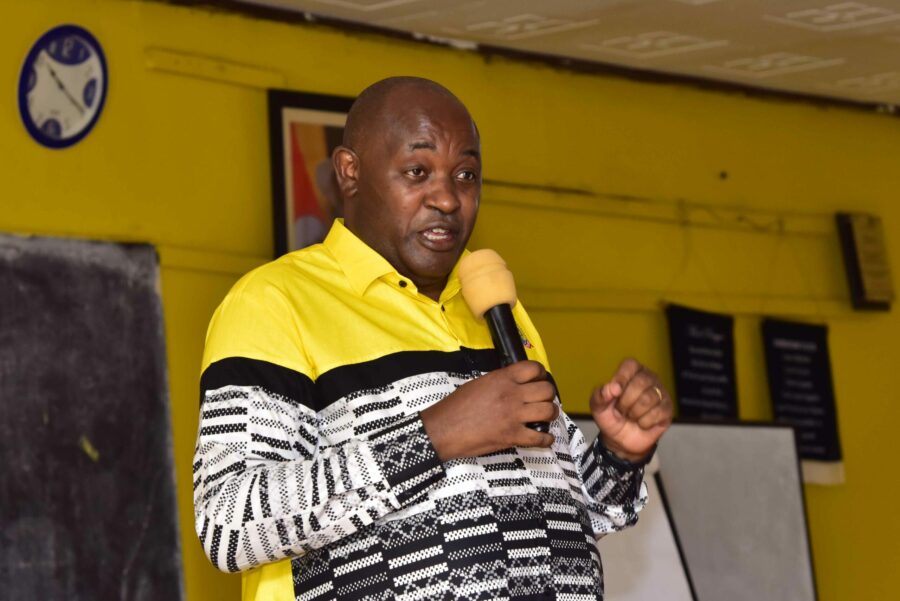
Baryomunsi, a Western Ugandan NRM veteran and medical doctor, retorted by emphasizing self-reliance and dismissing the threats, but PLU allies like Daudi Kabanda have accused him of insubordination. Objectively, Baryomunsi’s potential ouster would not be unprecedented but could signal Muhoozi’s outsized role in cabinet decisions.
Museveni has dropped ministers before—11 in 2021, including heavyweights like Sam Kutesa—for underperformance or scandals, but rarely over internal feuds. Baryomunsi, who retained his Kinkizi East seat in 2026 and brings technocratic credentials to ICT, fits Museveni’s balancing formula: a Bakiga from the West, skilled communicator, and NRM stalwart. Firing him early in the new term might disrupt regional equilibrium, especially with Western NRM tensions evident in Baryomunsi’s 2025 loss of the vice-chairperson seat.
Yet, if Museveni yields to Muhoozi’s pressure, it could mark a departure, prioritizing dynastic loyalty over traditional pragmatism. No ministers have “lost jobs” yet, as the new lineup remains unannounced—making Baryomunsi a hypothetical first if dropped. This episode tests Museveni’s mastery: Will he sack a capable minister to appease his heir, or reaffirm his authority? In Uganda’s militarized politics, the answer may reveal more about the future than the present.
Do you have a story in your community or an opinion to share with us: Email us at Submit an Article