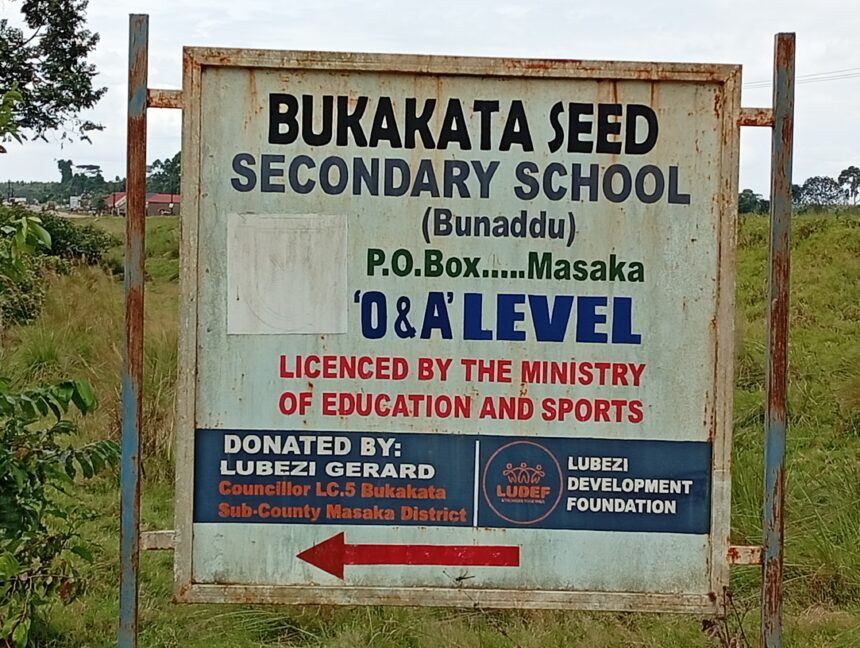
Shs3.5Bn Government School Receives Transformer as Enrollment Rises Amid Push for ICT and Science Education in Masaka
WRITES BRIAN MUGENYI
BUKAKATA, MASAKA — In the heart of Bukakata Sub-county where fishing boats dominate the shores of Lake Victoria and many families still battle poverty, one government school is steadily rewriting the story of rural education through discipline, leadership and determination.
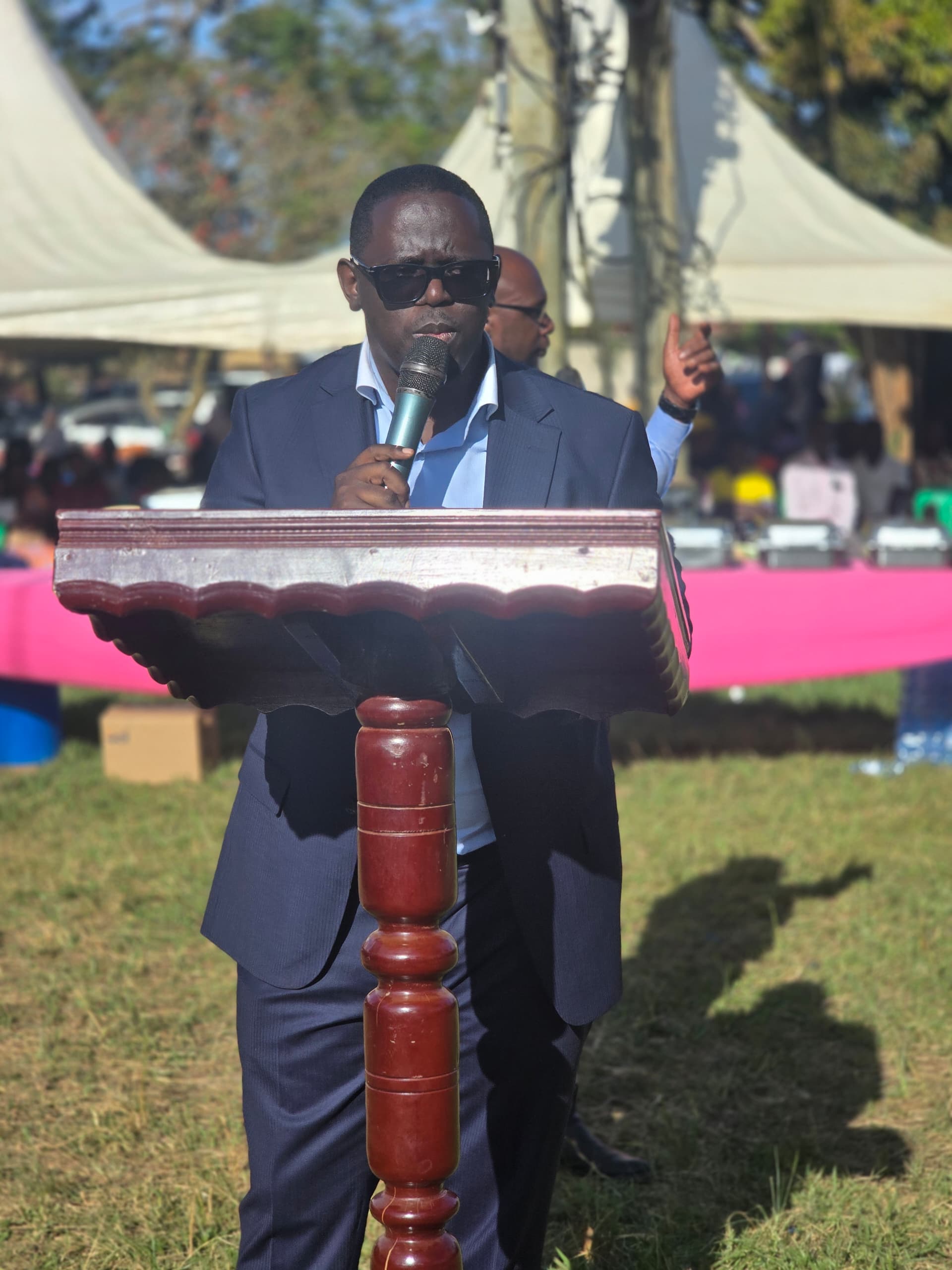
At the centre of that transformation stands Emmy Kasule, the Head Teacher of Bukakata Seed Secondary School, whose leadership style has increasingly earned praise from parents, teachers and local leaders in Greater Masaka.
Like the old saying that “a candle loses nothing by lighting another candle,” Kasule has continued steering the government-aided institution from humble beginnings into what education stakeholders now describe as one of the emerging rural academic centres in Masaka District.
The latest breakthrough came this week after the school officially received a long-awaited electricity transformer, paving way for full power connectivity expected to transform ICT studies, science learning, security and evening academic programs.
The development comes at a time when Uganda’s education sector continues prioritising digital learning and science innovation under the Ministry of Education and Sports led by First Lady Janet Kataha Museveni.
Speaking during the school’s reopening for the new term, Kasule described the transformer installation as “a new dawn” for learners in rural Masaka.
“For years we have been operating without stable electricity which affected ICT lessons, research and evening studies. But now we are entering a new chapter of transformation,” Kasule said.
He applauded President Yoweri Kaguta Museveni for extending government education services to rural communities through the Seed School programme.
“I congratulate President Museveni upon his continued leadership and commitment towards expanding access to education. Schools like Bukakata Seed exist because government invested in ordinary Ugandans,” Kasule added.
Constructed under the government Seed School initiative at an estimated cost of Shs3.5 billion, Bukakata Seed Secondary School was established in 2012 on approximately six acres of land donated by the local Catholic Diocese.
From only 12 pioneer students at inception, the institution has now expanded to more than 450 learners drawn from Bukakata, Lambu Landing Site, Kalangala islands and nearby communities along the Lake Victoria basin.
According to Deputy Head Teacher Christine Nalukwago, the school expects to receive at least 150 new students this academic term.
“The school welcomes all learners and we encourage parents to prioritise education because it remains the strongest tool against poverty and ignorance,” Nalukwago said.
She revealed that the school is positioning itself to become a model rural institution in Information Communication Technology (ICT) and science education following the electricity breakthrough.
Across Uganda, education analysts continue warning that many rural schools remain disadvantaged due to lack of electricity and digital infrastructure, factors that continue widening the academic gap between urban and rural learners.
But teachers at Bukakata Seed believe the transformer marks the beginning of long-awaited change.
Teacher Joakim Mpuuga praised the Ministry of Education and Sports for supporting the institution through electricity and water extension projects.
“We are grateful to government because electricity will improve performance, research and computer learning. However, we still need fencing and more infrastructure support,” Mpuuga noted.
Students themselves say the school is becoming more attractive and competitive.
Linda Nabatta, the school’s Head Girl, applauded teachers for mentoring students in leadership, discipline and public speaking.
“This school has helped me grow in confidence and leadership. Teachers here encourage us to believe in our dreams,” she said.
Despite the visible progress, administrators admit that the institution still faces challenges including limited staff accommodation, insufficient classroom space and lack of perimeter fencing.
Kasule however insists the school remains focused on growth.
“We still need more classrooms, teachers’ houses and fencing, but what matters is that progress has started. Leadership means moving step by step,” he explained.
Statistics from Uganda’s education sector indicate that rural school enrollment continues to rise due to government investments under Universal Secondary Education (USE) and Seed School programs.
Observers say Bukakata Seed School now stands as a practical example of how government investment, visionary leadership and community cooperation can transform rural education standards.
Strategically located along the Bukakata–Lambu road corridor, the institution is increasingly attracting learners from fishing communities where school dropout rates and teenage pregnancies remain major challenges.
Education leaders believe strengthening rural schools could significantly reduce youth vulnerability, unemployment and illiteracy in hard-to-reach communities.
As technicians continued inspecting the newly delivered transformer this week, excitement spread among learners gathered around the school compound.
For many students, the electricity project represents more than power connectivity.
It represents hope, opportunity and a brighter future for rural education in Masaka District.
Do you have a story in your community or an opinion to share with us: Email us at Submit an Article