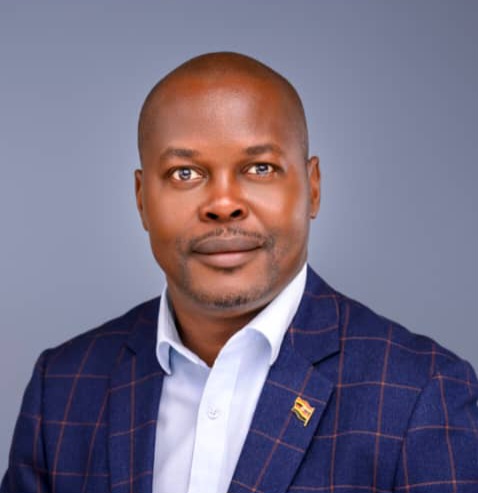
AG Kiryowa Kiwanuka Moves to Resurrect Controversial Computer Misuse Law; Demands Parliament Re-enact Provisions Struck Down by Constitutional Court
KAMPALA | WATCHDOG | In a move that has sent shivers through the spines of free speech defenders and digital rights activists, the Attorney General, Kiryowa Kiwanuka, has formally requested Parliament to re-enact the controversial sections of the Computer Misuse (Amendment) Act, 2022, which were recently nullified by the Constitutional Court.
It should be recalled that earlier this year, the Constitutional Court delivered a landmark ruling declaring Section 25 of the Act—which criminalized “offensive communication”—as null and void. The justices ruled that the provision was vague, overbroad, and a direct violation of the right to freedom of expression as enshrined in the Constitution.
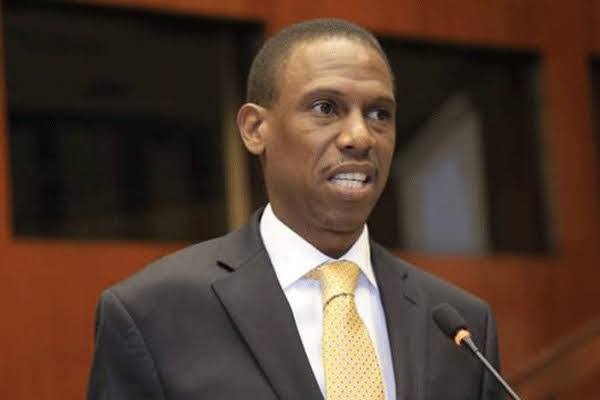
However, the government’s chief legal advisor is not backing down. Appearing before the Parliamentary Committee on Legal and Parliamentary Affairs, AG Kiwanuka argued that the “legal vacuum” created by the court’s decision has left the state toothless against cyber-harassment, hate speech, and the spread of malicious misinformation.
The Push for Re-enactment
The Attorney General contends that while the court found fault with the wording of the previous law, the intent remains necessary for the protection of citizens in the digital age. He is now pushing for a revised version of the law that supposedly cures the “vagueness” identified by the judges while retaining the power to prosecute those who use the internet to disturb the peace of others.
“We need a law that balances the right to free speech with the right to privacy and dignity. The current gaps in the law are being exploited by criminals,” a source close to the AG’s chambers told Watchdog Uganda.
A Blow to Press Freedom?
The original amendment, championed by Kampala Central MP Muhammad Nsereko, was widely condemned by civil society organizations, journalists, and human rights lawyers as a “draconian piece of legislation” designed to shield public officials from scrutiny and criticism.
Critics argue that the government’s rush to bring back these provisions is a calculated attempt to muzzle independent media and silence “keyboards warriors” who have become the loudest voices against corruption and governance failures.
Human rights lawyer and activist, Isaac Ssemakadde, who was instrumental in the petition that struck down the initial sections, has previously warned that any attempt to “resurrect a dead law” would be met with stiff legal resistance.
What Next?
The ball is now in the court of the Legal and Parliamentary Affairs Committee. If the committee adopts the AG’s recommendations, a new bill will be drafted and tabled before the floor of Parliament for debate.
Given the overwhelming NRM majority in the House, observers fear that the law could be fast-tracked, once again putting Uganda’s digital landscape under the shadow of state surveillance and legal intimidation.
Watchdog Uganda will continue to monitor this developing story as the battle between state regulation and constitutional freedoms heads back to the floor of the August House.
Do you have a story in your community or an opinion to share with us: Email us at Submit an Article